Can AirPods Pro 3 Replace Your Fitness Tracker? New Heart-Rate Tests Reveal the Truth
For years, wireless earbuds had one simple purpose: to play music.
Sure, companies gradually added features like Active Noise Cancellation, transparency modes, touch controls, and voice assistants, but the basic idea never changed. Earbuds were made for listening.
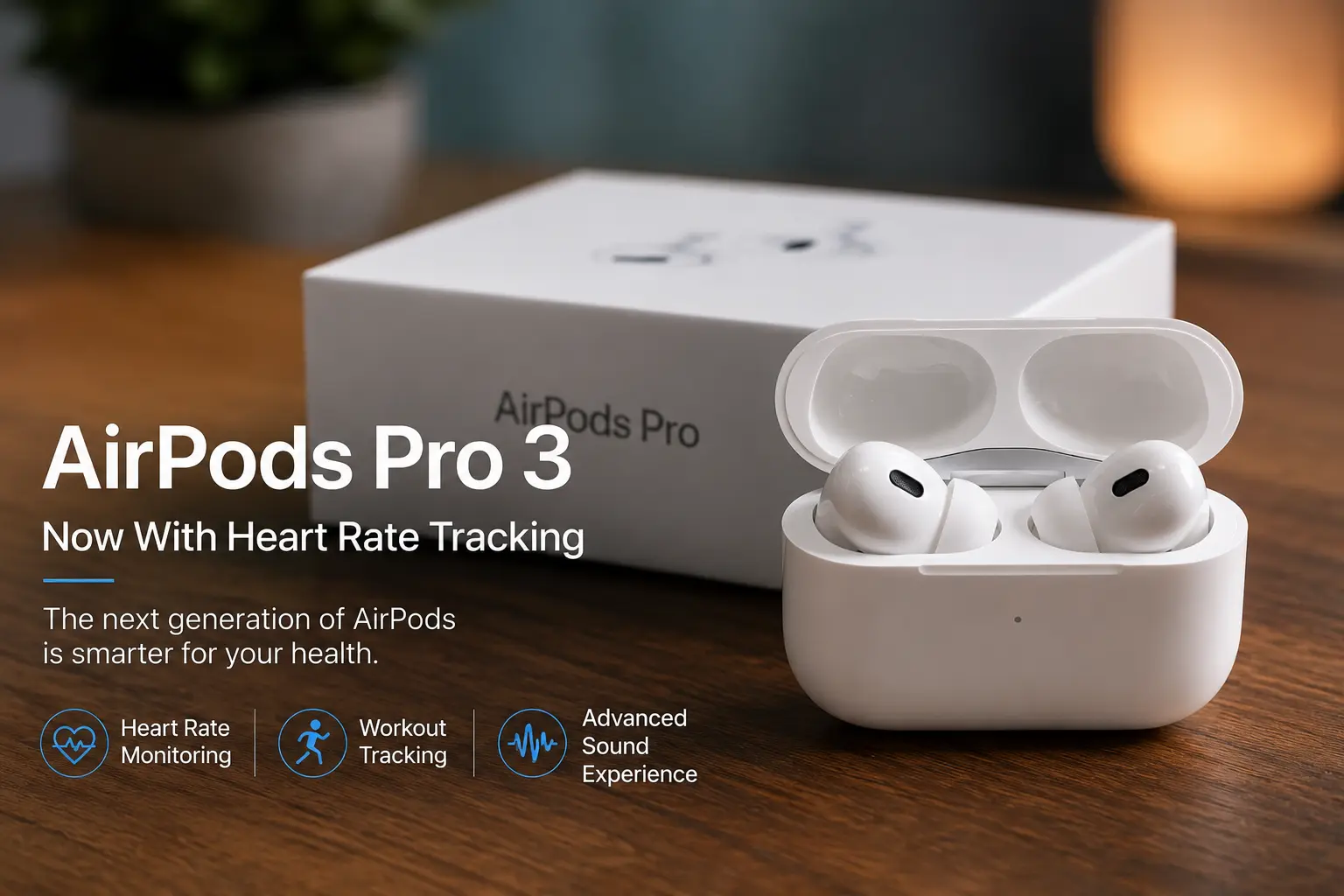
Apple thinks that’s about to change. With the AirPods Pro 3, the company has taken its biggest step yet toward turning a pair of everyday earbuds into a wearable health device. Alongside improved sound quality, better battery life, and stronger noise cancellation, Apple introduced something no previous AirPods model had—built-in heart-rate monitoring.
It’s an ambitious move. Instead of relying entirely on your Apple Watch or another wearable, Apple now wants your earbuds to contribute to your health and fitness data as well.
Naturally, one question immediately came to mind: Can a pair of earbuds really measure your heart rate accurately enough to be useful?
After reading Apple’s technical information, examining independent laboratory testing, and reviewing real-world experiences from early users, the answer is surprisingly encouraging—but it comes with a few important limitations.
Why Apple Added Heart-Rate Monitoring
At first glance, heart-rate monitoring inside earbuds might sound like a gimmick. After all, millions of people already own smartwatches capable of tracking heart rate throughout the day. But Apple isn’t trying to replace the Apple Watch. Instead, it’s expanding the ways users can collect health data.
Think about how many people already wear earbuds during exercise. Whether you’re running through the park, lifting weights at the gym, cycling to work, or simply taking a walk while listening to music, your earbuds are already securely positioned inside your ears. Rather than requiring another wearable device, Apple decided to use that position to gather heart-rate information during workouts.
For many users, it makes perfect sense. If you’re already wearing earbuds, why shouldn’t they help monitor your exercise?
How Do the AirPods Pro 3 Measure Heart Rate?
Unlike smartwatches that shine light through your wrist, the AirPods Pro 3 use optical sensors positioned inside each earbud. Apple says these infrared sensors pulse hundreds of times every second, measuring subtle changes in blood flow within the ear.
Using advanced algorithms, the earbuds estimate your heart rate and send the information directly to Apple’s Health and Fitness ecosystem. It’s a similar technology to what’s found in many modern smartwatches, but the ear offers a different measurement location that can sometimes remain more stable during movement than the wrist.
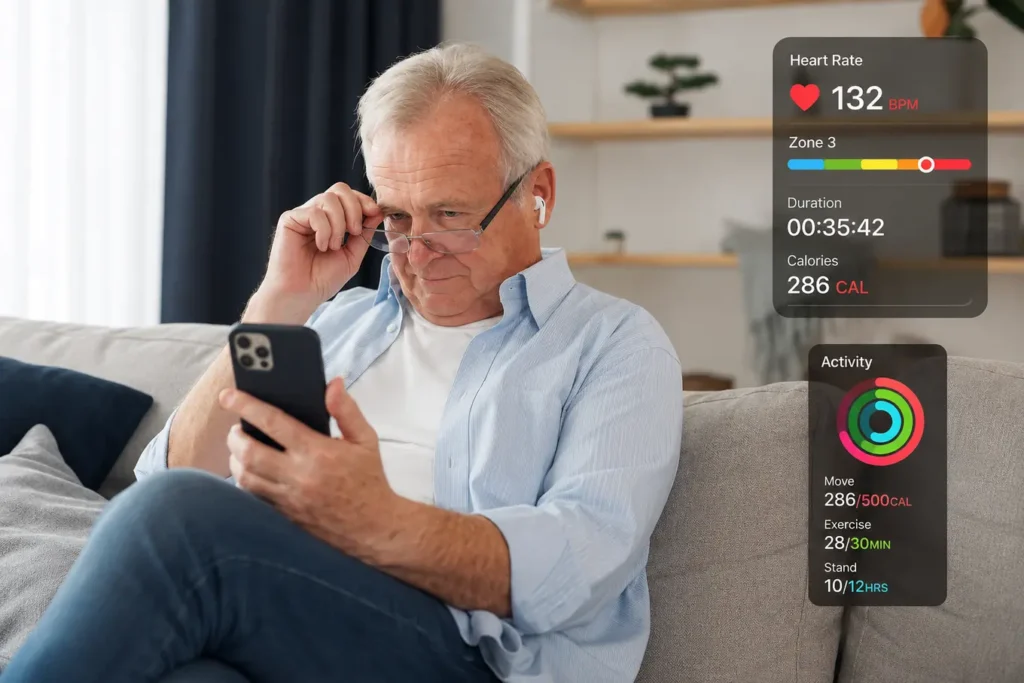
Of course, Apple’s explanation is only part of the story. The real question is whether the technology performs well outside the company’s marketing materials.
Independent Testing & Clinical Research
Independent Testing Delivered Surprisingly Good Results
Soon after the AirPods Pro 3 reached consumers, independent testers began comparing them with professional heart-rate monitoring equipment. One of the most widely discussed evaluations came from CNET Labs. Using the highly respected Polar H10 chest strap as a reference device, testers compared heart-rate readings during exercise.
The results were impressive. The AirPods Pro 3 recorded an average heart-rate error of approximately 1.67%, placing them just behind the Apple Watch Series 11 in the publication’s rankings. For a pair of wireless earbuds, that’s an excellent result. It immediately suggested that Apple’s new sensors weren’t simply a novelty feature. They appeared capable of producing genuinely useful fitness data.
Clinical Research Supports the Results
Independent journalism wasn’t the only source examining Apple’s new feature. Researchers also conducted controlled testing in a laboratory environment. A study involving forty healthy adults compared thousands of heart-rate readings collected by the AirPods Pro 3 against measurements from the Polar H10 chest strap, which is widely considered one of the most accurate consumer heart-rate monitors available.
Across more than sixteen thousand paired measurements, the earbuds demonstrated an average error of roughly two percent. That’s remarkably accurate for a consumer audio product.
During walking, jogging, and moderate exercise, the AirPods Pro 3 tracked heart rate closely enough to provide meaningful workout information for most healthy users. For many people, that level of accuracy will be more than sufficient for monitoring exercise intensity, estimating calorie burn, and keeping track of cardiovascular performance.
What These Numbers Actually Mean
Statistics can sometimes sound impressive without offering much practical meaning. So what does an average error of around two percent actually tell us?
Imagine your true heart rate is 150 beats per minute during a workout. A two-percent difference means the earbuds might display something around 147 to 153 beats per minute. For recreational exercise, that’s an extremely small difference. Whether you’re trying to stay within a moderate cardio zone or push yourself during interval training, the information remains genuinely useful.
That’s why many reviewers concluded that the AirPods Pro 3 are accurate enough for everyday fitness tracking, even if they aren’t intended to replace professional medical equipment.
Not a Medical Device It’s important to understand where the AirPods Pro 3 stop. Neither Apple nor independent researchers suggest using them for medical diagnosis. The studies involved healthy young adults exercising under controlled conditions. That doesn’t automatically guarantee identical performance for:
- Older users
- People with cardiovascular conditions
- Professional endurance athletes
- Outdoor exercise in extreme heat
- High-intensity interval training (HIIT)
Researchers also observed that although average accuracy remained excellent, individual readings could occasionally vary more significantly during intense activity. For elite athletes chasing precise heart-rate zones, dedicated chest straps remain the gold standard. Apple has never claimed otherwise. Instead, the AirPods Pro 3 are designed to provide reliable fitness information for everyday users rather than replacing professional sports equipment or medical monitoring devices.
Why This Matters More Than You Think
The addition of heart-rate monitoring isn’t simply another specification for Apple’s marketing department. It represents something much bigger.
The AirPods Pro 3 are no longer just earbuds. They’re becoming another health-focused wearable. Combined with hearing protection features, workout integration, Adaptive Audio, and Apple’s Health ecosystem, they blur the line between personal audio and personal wellness in a way previous AirPods never attempted. That shift could ultimately prove just as important as improvements in sound quality or battery life.
Real-World Performance: Does Heart-Rate Tracking Actually Help?
Laboratory testing is one thing. Real life is another. The biggest question surrounding the AirPods Pro 3 isn’t whether they can measure heart rate—it’s whether the feature becomes genuinely useful once you leave the lab and start living with the earbuds every day.
After looking at user experiences and early testing, the answer is largely yes. If you’re already someone who wears earbuds while exercising, the heart-rate feature feels surprisingly natural. You don’t need to remember another fitness tracker or wear a smartwatch if you don’t want to. Simply put the AirPods Pro 3 in your ears, start your workout, and your heart-rate data is automatically sent to Apple’s Health and Fitness apps.
For many people, that’s exactly the kind of convenience Apple excels at.
Perfect for Gym Sessions
The gym is probably where the AirPods Pro 3 make the most sense. Many people already wear earbuds during strength training, cardio sessions, rowing, treadmill running, or indoor cycling. Now those same earbuds can also record workout heart-rate data without changing your routine.

Imagine walking into the gym with only your iPhone and AirPods. You can listen to your workout playlist, answer calls, receive Siri notifications, monitor your heart rate, and record your workout—all from one compact setup. For users who never enjoyed wearing a smartwatch while lifting weights, this is a genuinely useful addition rather than a gimmick.
Running and Walking
For runners, the experience is equally impressive. Because the AirPods Pro 3 sit securely inside the ear canal, the optical sensors remain relatively stable during steady-paced running. During moderate runs and brisk walks, heart-rate readings closely match what most recreational runners need.
If your goal is simply staying within an aerobic training zone, tracking calorie burn, or monitoring cardiovascular improvement over time, the AirPods Pro 3 perform very well. The improved battery life also helps. With around eight hours of listening time using Active Noise Cancellation—or even longer under lighter listening conditions—most runners won’t need to think about charging during normal training weeks.
Cyclists May Appreciate Them Even More
Cyclists represent another group that could benefit from Apple’s approach. Many cyclists already use wireless earbuds for navigation prompts, music during indoor training, or long recreational rides where local regulations allow headphone use.
Adding heart-rate monitoring means one less device to think about before leaving home. The earbuds also support Transparency Mode, allowing outside sounds to remain audible when appropriate. While riders should always follow local laws and prioritize safety, the feature can make the listening experience feel more natural than completely isolating yourself from surrounding traffic.
AirPods Pro 3 vs. Apple Watch
One misconception is that the AirPods Pro 3 are designed to replace the Apple Watch. They aren’t. Instead, Apple designed the two products to complement one another. When both devices are being worn simultaneously, Apple automatically uses whichever sensor provides the highest-confidence heart-rate reading.
That’s a clever approach. Rather than forcing users to choose between devices, Apple lets them work together behind the scenes.
The Apple Watch still offers clear advantages:
- Continuous heart-rate monitoring throughout the day
- Sleep tracking
- ECG functionality (supported models)
- Blood oxygen features (where available)
- Activity rings
- Fall detection
- Emergency SOS
The AirPods Pro 3 simply add another source of workout data. Think of them as expanding Apple’s health ecosystem rather than replacing it.
Where the AirPods Pro 3 Still Fall Short
As impressive as the technology is, it’s important to keep realistic expectations. The AirPods Pro 3 are not medical devices. They aren’t intended to diagnose heart conditions or monitor chronic illnesses. Nor are they likely to replace professional chest straps for elite athletes who require absolute precision during interval training.
Another limitation is simple practicality. You only receive heart-rate data while you’re actually wearing the earbuds. Unlike an Apple Watch, they won’t monitor your resting heart rate throughout the day or track your sleep at night. That’s why many users will continue wearing both products together.

Apple Is Thinking Beyond Audio
Perhaps the most interesting aspect of the AirPods Pro 3 isn’t the heart-rate sensor itself. It’s what the feature represents. Apple appears to be moving toward a future where every wearable device contributes something unique to your overall health profile.
Your Apple Watch tracks daily activity. Your iPhone stores your health information. Your AirPods contribute to workout data, hearing protection, and intelligent audio features. Together, they create a connected ecosystem rather than isolated gadgets. That’s a strategy very few companies can currently match.
Should You Trust the Heart-Rate Feature?
For most people, yes. Independent testing suggests the AirPods Pro 3 are accurate enough for everyday exercise, recreational sports, walking, gym sessions, and general fitness tracking.
If your goal is monitoring workout intensity, improving cardiovascular fitness, or simply understanding how your body responds during exercise, the data is likely to be more than adequate. If you’re a competitive athlete chasing exact training zones—or if you’re relying on heart-rate data for medical reasons—you should continue using equipment specifically designed for those purposes.
The AirPods Pro 3 occupy a comfortable middle ground. They’re significantly more capable than many people expected, yet Apple has wisely avoided presenting them as clinical devices.
Final Verdict
When Apple first announced heart-rate monitoring inside a pair of earbuds, it was easy to dismiss the feature as another marketing headline. After looking at the available evidence, that would be unfair.
The AirPods Pro 3 don’t replace a smartwatch. They don’t replace a chest strap. And they certainly don’t replace professional medical equipment.
What they do offer is something many users may find even more valuable: convenience.
If you’re already wearing earbuds during a workout, the ability to collect accurate heart-rate data without adding another device simply makes sense. Combined with excellent sound quality, class-leading Active Noise Cancellation, improved battery life, and seamless integration with Apple’s ecosystem, heart-rate monitoring becomes another reason the AirPods Pro 3 stand out from the competition.
It isn’t the feature that makes these earbuds worth buying on their own. But together with everything else Apple has added, it helps paint a clear picture of where personal audio is heading. The future isn’t just about listening to music. It’s about earbuds becoming intelligent companions that support entertainment, communication, productivity, and even your health.
Continue Reading:
If you’re enjoying our Apple audio coverage, don’t miss these related articles: