How a Forgotten 2000s Subwoofer Pioneered the Room-Correction Tech We Rely on Today
For years, buying a powerful subwoofer meant accepting a frustrating compromise. You could get deep, room-shaking bass for action movies and electronic music, but getting that bass to sound balanced in a real living space was another matter entirely. Room dimensions, furniture, wall materials, and placement all interfere with low frequencies, creating muddy boom in some notes while making others vanish completely.
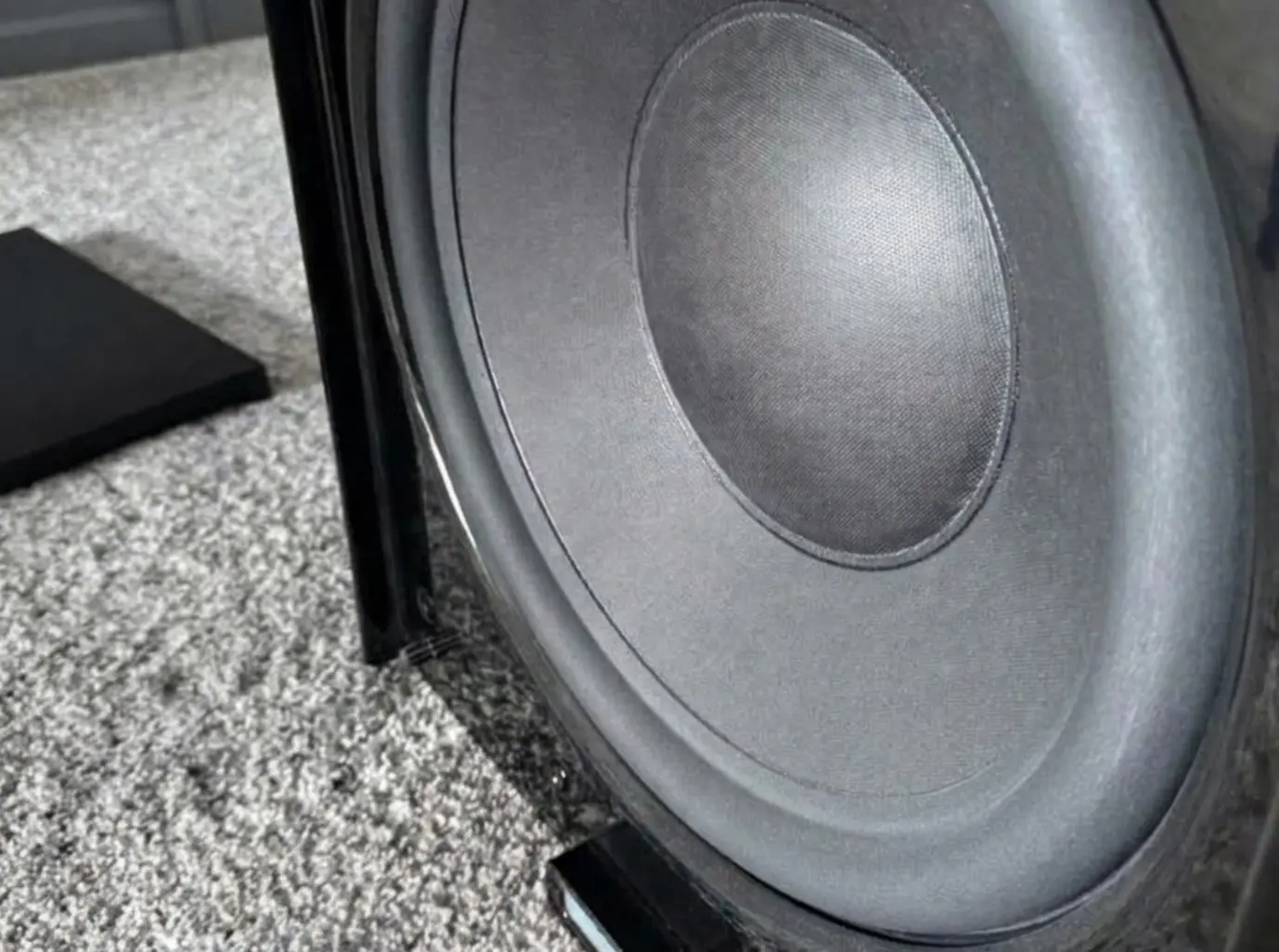
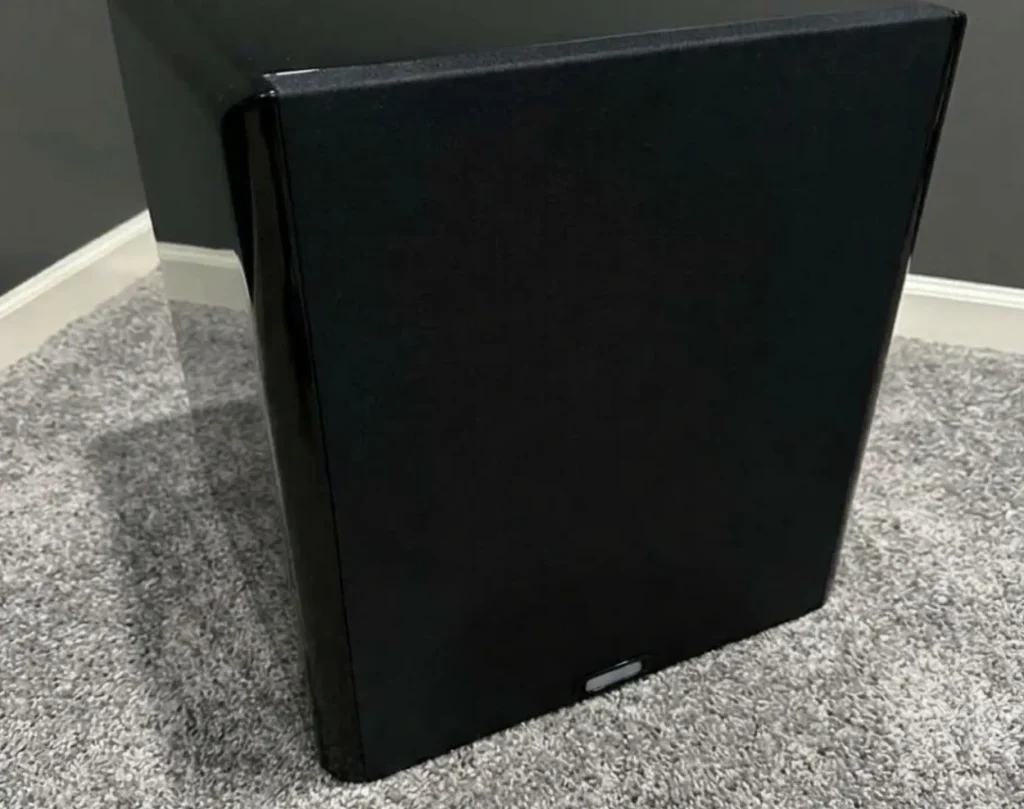
Long before app-controlled DSP subwoofers became standard in modern home theaters, Velodyne’s DD-15 Digital Drive Subwoofer tackled this exact problem in a remarkably ahead-of-its-time way. Rather than simply building a bigger box with more raw output, Velodyne engineered a system that measured my room’s acoustics and adjusted the subwoofer’s response to match. Looking back at how it performs, it’s clear just how much the DD-15 changed the way we think about bass.
Anyone who has lived with a poorly integrated subwoofer knows how quickly high volumes turn tiring. Crank up an explosive movie soundtrack, and excessive room resonance overwhelms dialogue and sends everyone else out of the room. In my listening tests, the DD-15 delivered massive low-frequency weight without that headache-inducing boom. It played loud while maintaining a rare sense of composure, letting me feel the physical impact without losing musical detail.
Digital Drive Was the Technology That Set the DD-15 Apart
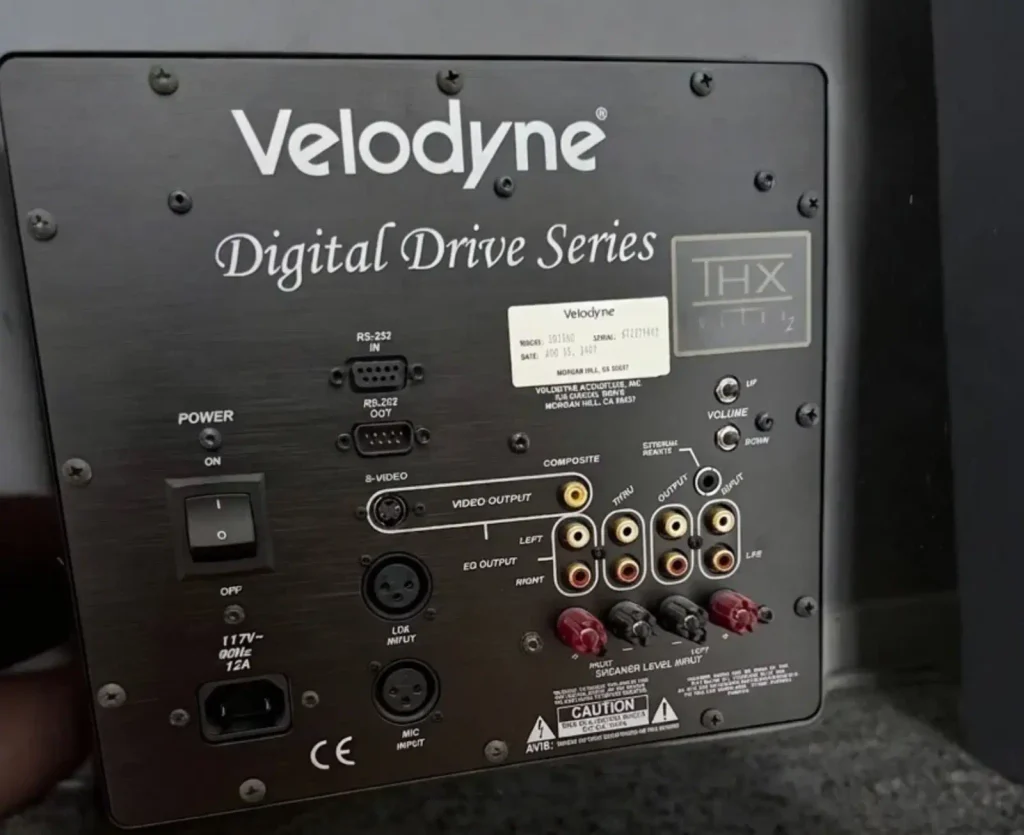
The first clue that the Velodyne DD-15 wasn’t an ordinary subwoofer appeared on its rear panel. Alongside standard audio inputs, Velodyne included a video output, an audio output, and a dedicated microphone input. Those ports formed the backbone of Digital Drive, the onboard system responsible for analyzing and correcting how the subwoofer interacted with my room.
I Didn’t Expect One 13-Inch SVS Subwoofer to Shake a 25-Square-Metre Room Like This
Because low frequencies are heavily dictated by room boundaries and seating position, moving the same subwoofer from one room to another can completely change how it sounds. Velodyne recognized that great bass requires more than a heavy-duty driver and amplifier; it requires adapting to the room itself.
Setting it up was surprisingly straightforward. I placed the supplied measurement microphone in my main listening chair and let the DD-15 sweep the room. Within moments, a real-time frequency-response graph appeared right on my television screen, showing exactly which bass frequencies my room was exaggerating and which ones it was swallowing.
Using the on-screen controls beneath the graph, I could raise or lower individual frequency bands until the curve leveled out. Instead of guessing by ear or wrestling with external sound meters and test discs, I could literally see what my room was doing to the bass and fix it on the spot. Positioning the DD-15 between my center and front-right speakers and running the initial calibration took me roughly five minutes, impressive speed for that level of precision.
Holly Cole’s ‘Train Song’ Revealed Just How Good Its Bass Could Sound
Graphs only tell half the story; the real test came when I put on music. To push the DD-15’s musicality, I queued up Holly Cole’s “Train Song,” a track that opens with a deep, guttural acoustic bass line packed with subtle textural detail.
Even with Digital Drive switched off, the DD-15 sounded deep, authoritative, and effortless. I expected room correction to help a little, but engaging Digital Drive transformed the presentation.
The acoustic bass line suddenly snapped into focus. The lowest notes still rolled through the room with serious physical weight, yet every nuance of the performance became dramatically clearer. I could hear the attack of the player’s fingers against the strings, the faint fret and string scrape, and the woody growl of the instrument’s body. Instead of turning into a wall of indistinct low-end energy, the DD-15 separated musical texture from sheer volume.
Moving the DD-15 Into a Corner Puts Its Room Correction to the Test
In real living rooms, the best-sounding spot for a subwoofer rarely lines up with where furniture allows it to sit. Corners are tempting because they reinforce bass output, though they usually trigger severe boominess.
To see how much punishment Digital Drive could handle, I moved the DD-15 into the front-left corner of my room, a spot where other subwoofers I’ve tested quickly became boomy and sluggish.
Digital Drive couldn’t rewrite the laws of physics; the lowest bass guitar notes still carried a touch of extra energy, proving room correction isn’t a magic wand for every bad placement. Even so, the DD-15 held onto far more speed, grip, and definition than any uncorrected sub I’ve placed in that corner. It kept the bass disciplined instead of letting it overwhelm the room.
Five Listening Presets Made the DD-15 More Versatile
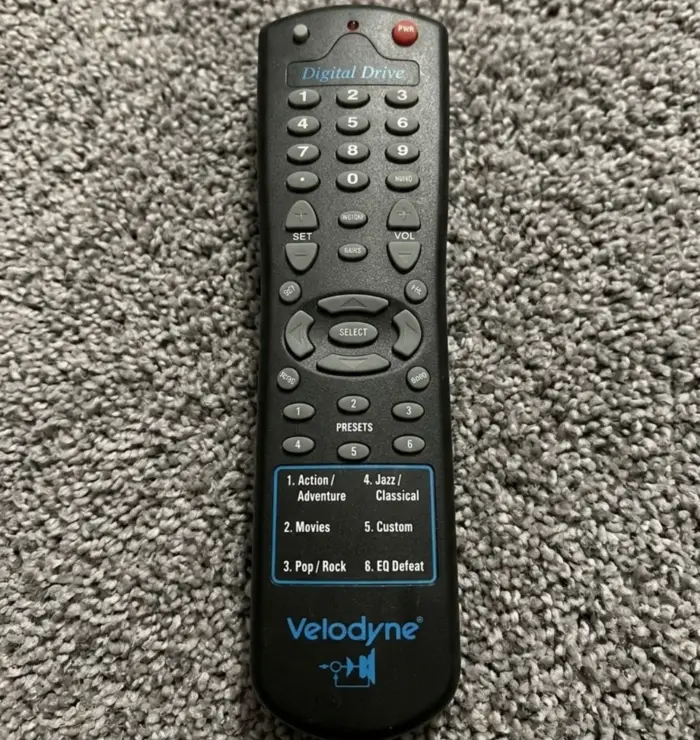
Beyond room calibration, Velodyne included a remote control with practical day-to-day features. Night Mode proved especially handy, capping peak subwoofer output so I could watch action-heavy films like The Matrix Reloaded late at night without rattling walls throughout the house.
The remote also offered five customizable presets: Movies, Pop/Rock, Action/Adventure, Jazz/Classical, and Custom, each tweakable through the on-screen menu. Out of the box, the factory curves felt a little conservative for my taste. Once I bumped up the low-end weight on Action/Adventure and gave Pop/Rock a bit more punch, switching between movie nights and delicate acoustic sessions took a single button press. (There is also a sixth button to bypass Digital Drive completely, though after hearing the difference, I rarely wanted to turn it off.)
Part of a Broader Digital Drive Lineup
The DD-15 sat near the top of a four-model Digital Drive lineup alongside the smaller DD-10 and DD-12, and the massive DD-18 (each named after its woofer diameter). That gave listeners flexibility to match driver size to their room while keeping the same onboard measurement and EQ engine, proving Velodyne cared just as much about acoustic accuracy as raw decibels.
Why the Velodyne DD-15 Still Stands Out Today
After years of testing high-end subwoofers, I rarely declare a single model the definitive best; there will always be subs that play louder or dig a few hertz deeper. Yet the Velodyne DD-15 remains one of the most memorable subwoofers I’ve ever had in my listening room because it solved the problem most buyers actually struggle with: the room itself.
By pairing serious amplifier muscle with built-in microphone calibration and visual EQ, Velodyne built a subwoofer that bridged the gap between visceral home-theater slam and true audiophile articulation. Whether you’re evaluating modern DSP subwoofers today or hunting down a well-kept classic on the used market, the DD-15 is a masterclass in what happens when a subwoofer treats your room as part of the system.