Sonos Built This Wireless Hi-Fi Years Before Anyone Called It “Smart”
Long before “smart speakers” became a category, Sonos was already questioning everything we thought we knew about Hi-Fi systems. No cables. No physical inputs. No traditional controls. The Sonos Play:3 and Sonos Sub weren’t just products — they were a statement about where home audio was heading.
Even today, this compact two-box system feels unusually forward-thinking.
A Hi-Fi System That Doesn’t Look Like One
A setup consisting of just two components — the Sonos Play:3 and the Sonos Sub — looks almost deliberately misleading. Without prior knowledge, it’s difficult to guess what these devices actually are or how they work. Speakers? Streamers? Something else entirely?
Check Out: I Finally Experienced a True Concert in My Living Room, Thanks to Klipsch
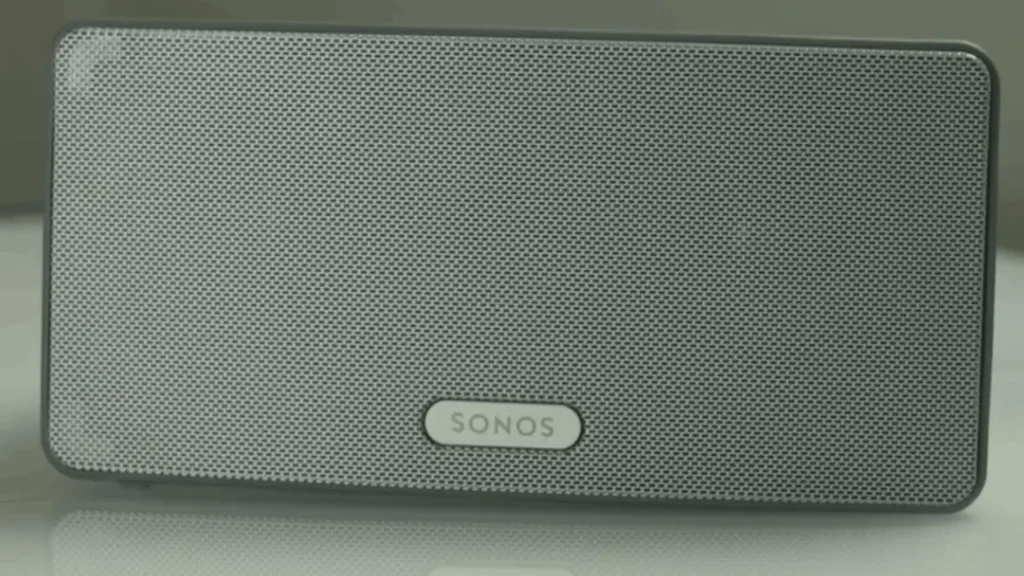
The reality is more interesting. What appears to be a simple active speaker is, in fact, a fully self-contained network music player with built-in amplification, digital signal processing, and wireless connectivity.

One Speaker, Many Roles
Control is handled entirely through the Sonos Controller, available as:
- A dedicated Sonos remote
- A free iOS or Android app
- Desktop software for macOS and Windows
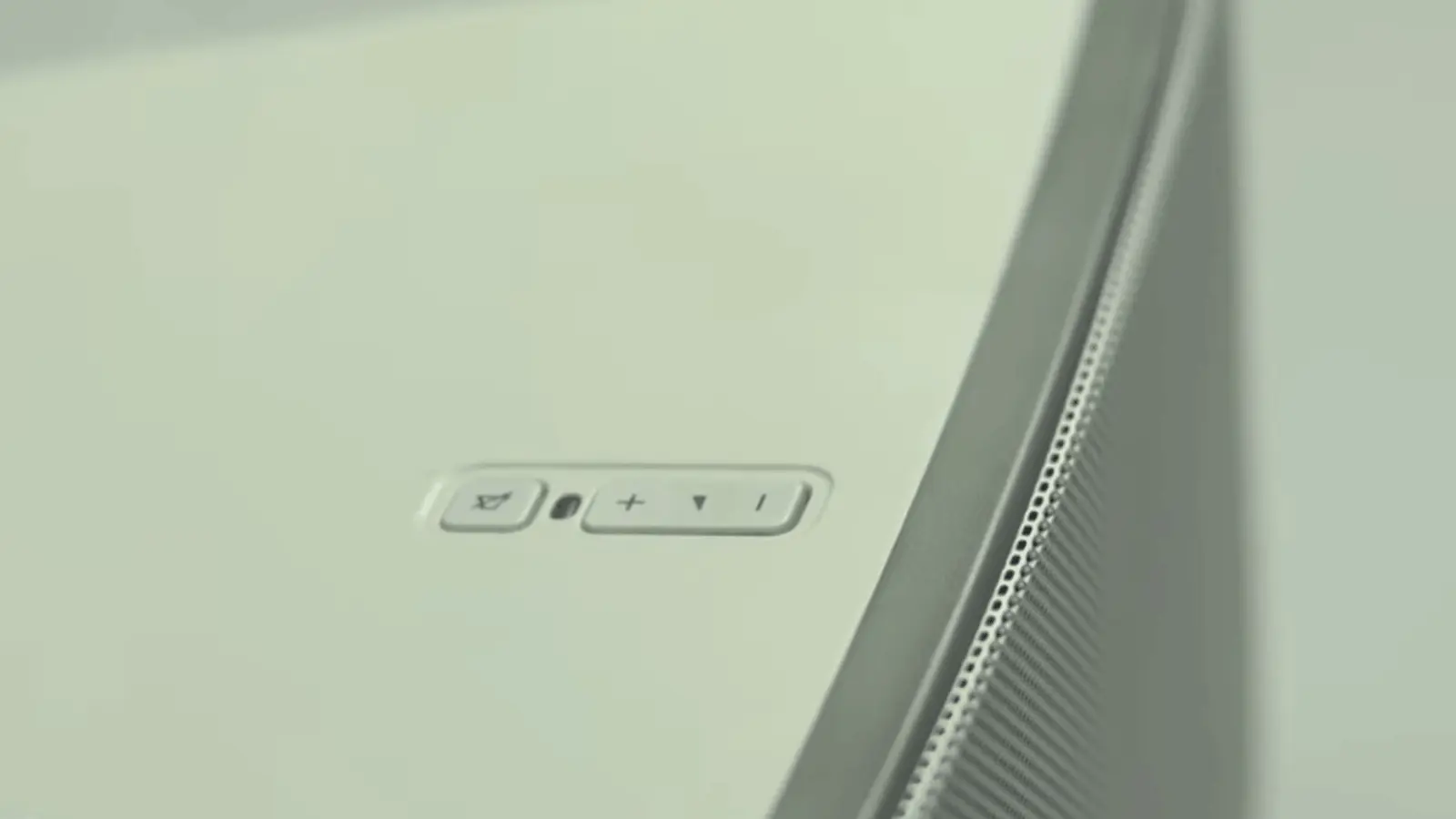
Functionality is identical across platforms, meaning your phone, tablet, or computer becomes the system’s command center. From here, you can manage playback, adjust volume, configure sound settings, and group rooms.
Place two Play:3 units in the same room, and they can be paired for true stereo playback. Spread Sonos devices across different rooms and they become part of a unified multi-room system, capable of playing the same music everywhere or different streams in each space.
The same interface also controls the Sonos Sub, which integrates wirelessly with the Play:3 or the earlier Play:5.
Designed for the Network Era
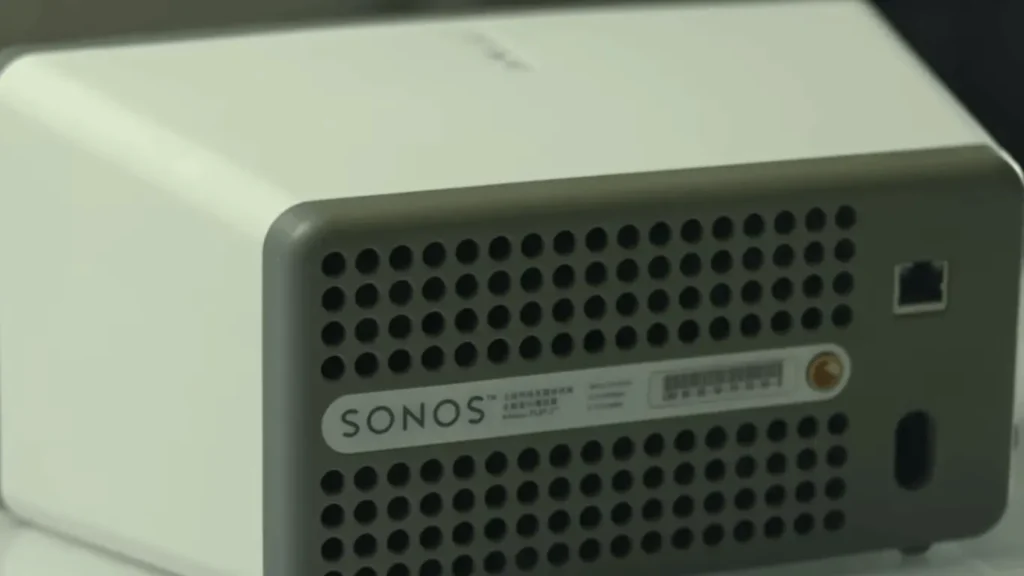
The perforated rear panel of the Sonos Play:3 isn’t merely decorative. It plays an acoustic role, helping the internal drivers operate under optimal conditions rather than serving as a simple cooling vent.
All Sonos components communicate via SonosNet, the company’s proprietary wireless mesh network. Originally, this required a Sonos Bridge acting as a gateway, although both the Play:3 and Sub also include a single Ethernet port for direct wired connection.
That’s the full extent of physical connectivity. There are no analog inputs, no digital outputs, and no USB ports. This is a system designed to live entirely on the network.
In many real-world setups, even the lone LAN port remains unused.
Streaming First, Everything Else Second
Without additional accessories, the Sonos Play:3 pulls content directly from the internet. Support includes thousands of internet radio stations and a wide range of streaming services such as Spotify, TuneIn, and Last.fm, Pandora, and SiriusXM Internet Radio.
Local playback is also supported via a computer or NAS acting as a media server using CIFS file sharing. Once the system is connected to the network, everything else is handled in software.
Minimalism defines the experience — intentionally so.
Hardware and Acoustic Design
The Sonos Play:3 is a monophonic active speaker featuring:
- One centrally mounted dome tweeter
- Two midrange/woofer drivers positioned on either side
- A passive radiator to enhance low-frequency output
Each driver is powered by its own digital amplifier, with crossover management and signal processing handled entirely in the digital domain. Rubber feet on both short and long sides allow the speaker to be positioned either vertically or horizontally.
You May Like: kef-q150-review-a-budget-speaker-that-quietly-redefined-real-hi-fi/
The Sonos Sub takes a far more unconventional approach. Its square cabinet features a central opening that reveals two oval drivers positioned face-to-face. Additional ports on the remaining sides vent into this same cavity.
This opposing-driver configuration cancels mechanical vibrations, allowing the Sub to deliver high output with impressively low distortion — all without rattling the enclosure.
Sound Quality: Better Than It Has Any Right to Be
On its own, the Sonos Play:3 doesn’t aim to compete with traditional audiophile loudspeakers. Within its class, however, it delivers sound that is clear, balanced, and surprisingly detailed.
Adding the Sonos Sub fundamentally changes the system. Bass extension becomes deep, controlled, and authoritative, without overwhelming the midrange or drawing attention to itself. Integration between the speaker and subwoofer is seamless, provided the sub level is set sensibly.
The Sub can be positioned vertically or horizontally, with the central opening facing upward. In practice, the vertical orientation produced a more even, room-filling bass response.
Why This Sonos System Still Matters Today
Modern wireless and multi-room audio systems owe a great deal to early Sonos designs like this one. Concepts that are now standard — app-based control, synchronized rooms, wireless subwoofer integration — were still radical ideas when the Play:3 and Sub appeared.
Even today, many competing systems follow the same blueprint Sonos established years earlier.
Check Out: How I Tested the DALI Katch G2
Who Should Buy This?
Buy the Sonos Play:3 + Sub if you:
- Want high-quality sound without traditional Hi-Fi complexity
- Prefer wireless, app-based control over physical cables
- Plan to build or expand a multi-room audio system
- Value deep, clean bass from a compact, vibration-free subwoofer
Look elsewhere if you:
- Need physical inputs for turntables or CD players
- Prefer passive speakers and external amplification
- Enjoy hands-on hardware tweaking and component matching
Pros & Cons
Pros
- Clean, modern, cable-free system design
- Seamless multi-room and stereo pairing
- Deep, controlled bass with excellent integration
- Fully digital amplification and signal processing
- Extremely simple daily operation
Cons
- No analog or digital audio inputs
- Entirely dependent on network connectivity and software
- Locked into the Sonos ecosystem
- Not intended for traditional component-based Hi-Fi setups
Final Verdict
The Sonos Play:3 and Sonos Sub may not look like a traditional Hi-Fi system — and that’s exactly why they matter. This setup challenged long-standing assumptions about how home audio should work, and in many ways, it predicted the future with remarkable accuracy.
It won’t replace a classic component stack for purists, but for listeners who value design, simplicity, and genuinely good sound, it remains a quietly influential piece of Hi-Fi history.
Sonos Play:3 Specifications
- Configuration: 2-way
- 25mm tweeter
- MF/LF driver 2x 76 mm
- Acoustic design: passive radiator
- Separate reinforcement, class D
- Interfaces: LAN, wireless network, Sonos Net
- Dimensions: 132x268x160 mm
- Weight: 2.6 kg
Sonos Sub Specifications
- 2x oval woofers
- Acoustic design: phase inverter
- Lower cutoff frequency 25 Hz
- Interfaces: LAN, wireless network, Sonos Net
- Dimensions402x158x380 mm
- Weight: 16 kg