KEF Q150 Review: A Budget Speaker That Quietly Redefined “Real Hi-Fi”
The pandemic didn’t just change how we work or socialize; it fundamentally reshaped how we listen. Confined to our homes, many of us began reassessing what actually mattered in our audio systems. The appetite wasn’t for excess or spectacle, but for honest sound, long-term comfort, and equipment that could truly live in a real space.
Out of this global reset emerged an unlikely hero: the KEF Q150.
Originally introduced as part of KEF’s eighth-generation Q Series in 2017, the Q150 was never positioned as a disruptor. Yet during the pandemic years, it repeatedly sold out across Europe, gained a near cult-like following among enthusiasts, and, most intriguingly, found success in markets traditionally dominated by large floorstanding speakers.
Check Out: Jamo C 97 II Review: Honest Hi-Fi Performance with Elegant Nordic Styling
After recently revisiting the Q150 during extended listening sessions and rediscovering just how much its performance depends on setup and context, the question feels even more relevant today than it did back then.
This review asks a simple question: why did this modest bookshelf speaker resonate so deeply—and does it still deserve its reputation now?
Why the Q150 Took Off
Affordable speakers are nothing new. What is new is the selective way buyers now approach them. The Q150 didn’t succeed by being the loudest or flashiest. In fact, on paper, its specifications are almost conservative. There was no aggressive marketing push or influencer hype cycle.
Even with sites like AmpReviews highlighting coupons that brought the price down dramatically, the Q150 should have lost ground to mass-market lifestyle speakers. It didn’t. Instead, it became a reference point—often described as a “mini LS50” or a gateway into true hi-fi.
The reason lies not in marketing, but in engineering philosophy.
Design & Build: Understated and Purposeful
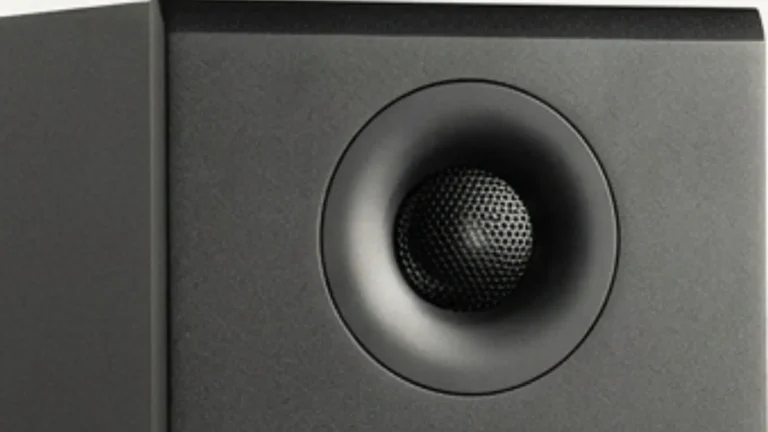
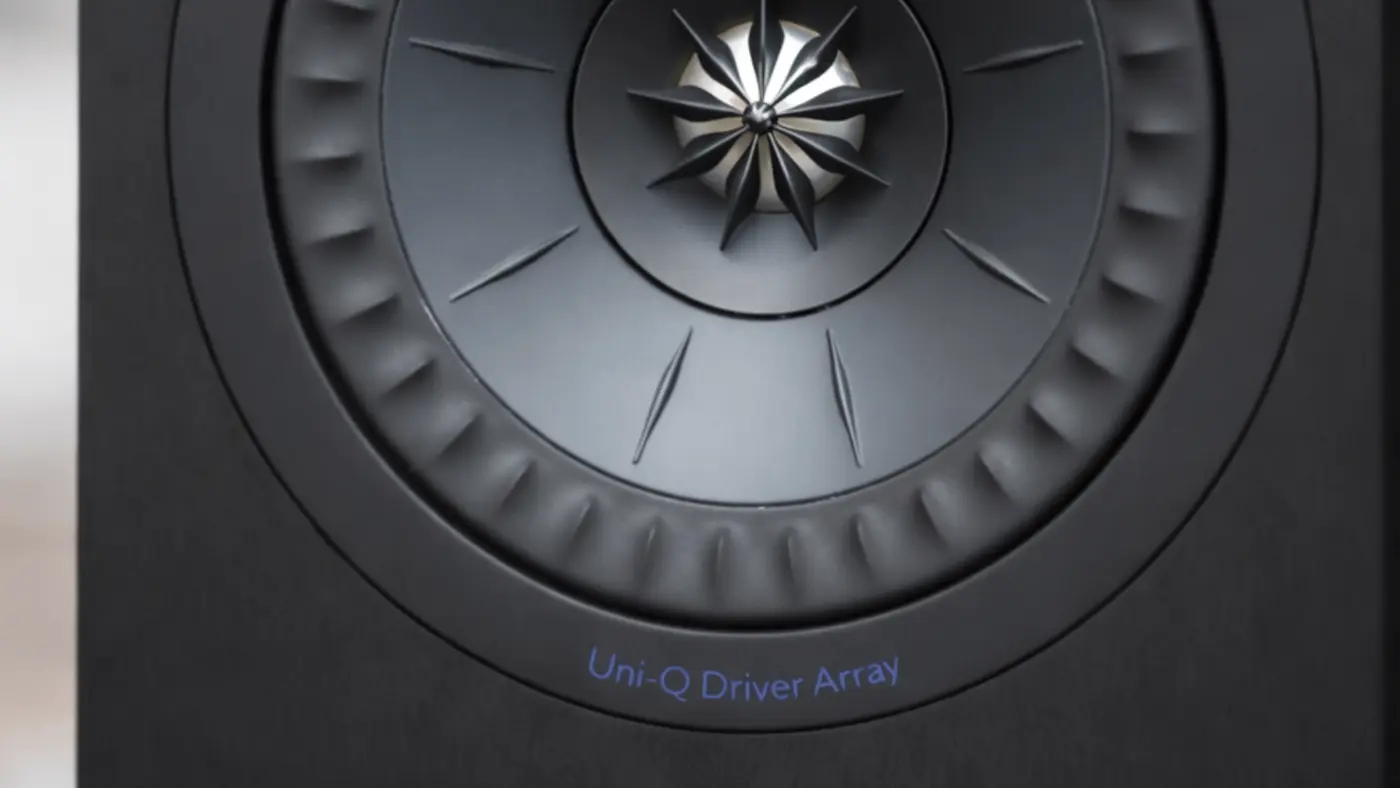
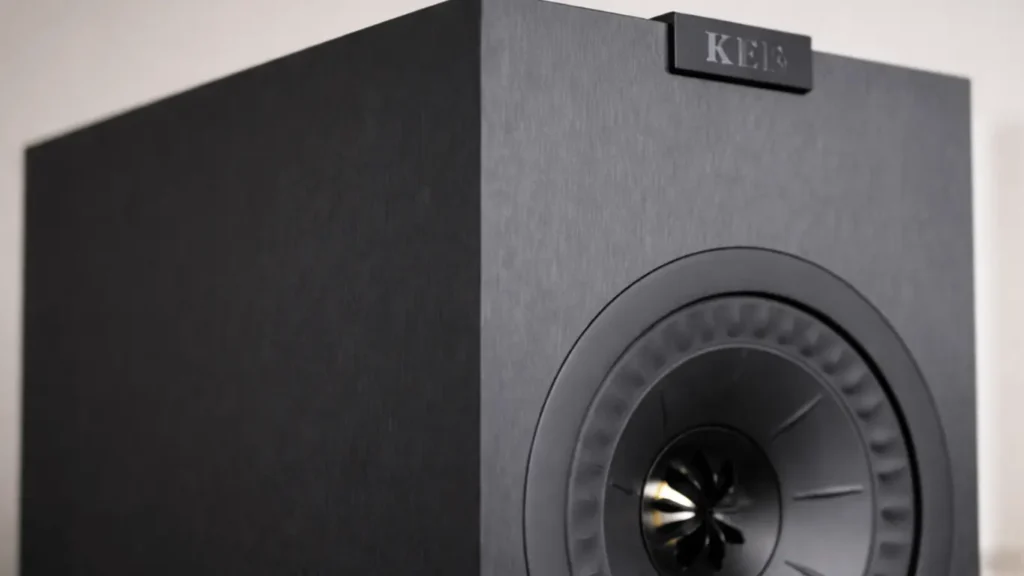
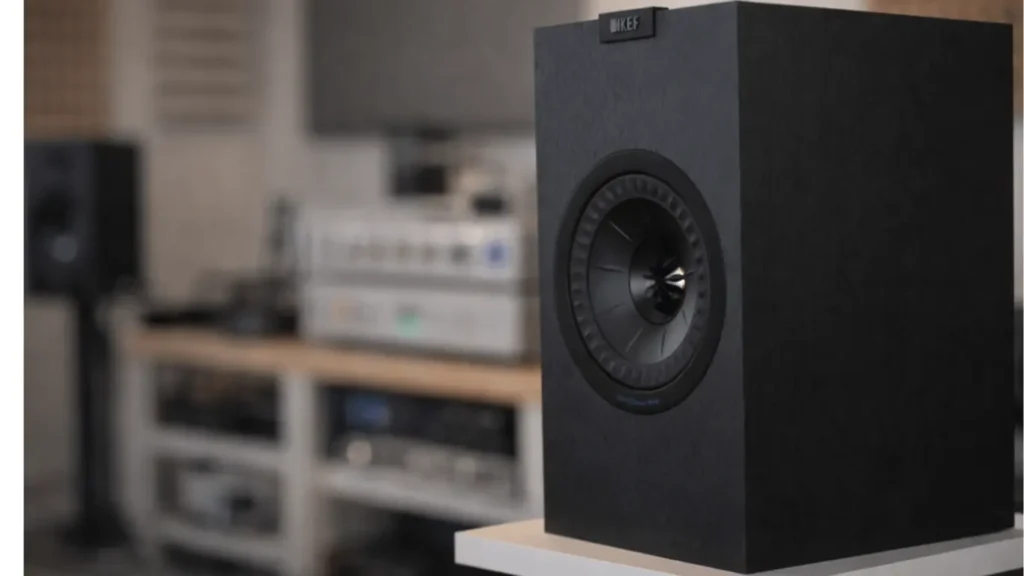
The Q150 is unmistakably KEF. At its center sits the iconic Uni-Q coaxial driver, with the tweeter precisely placed at the acoustic heart of the mid-bass cone. The “petal” waveguide isn’t just for show; it’s the result of decades of refinement aimed at achieving a true “point-source.”
Paradigm’s Affordable Tower Speakers Sound Far Bigger Than Their Price Suggests
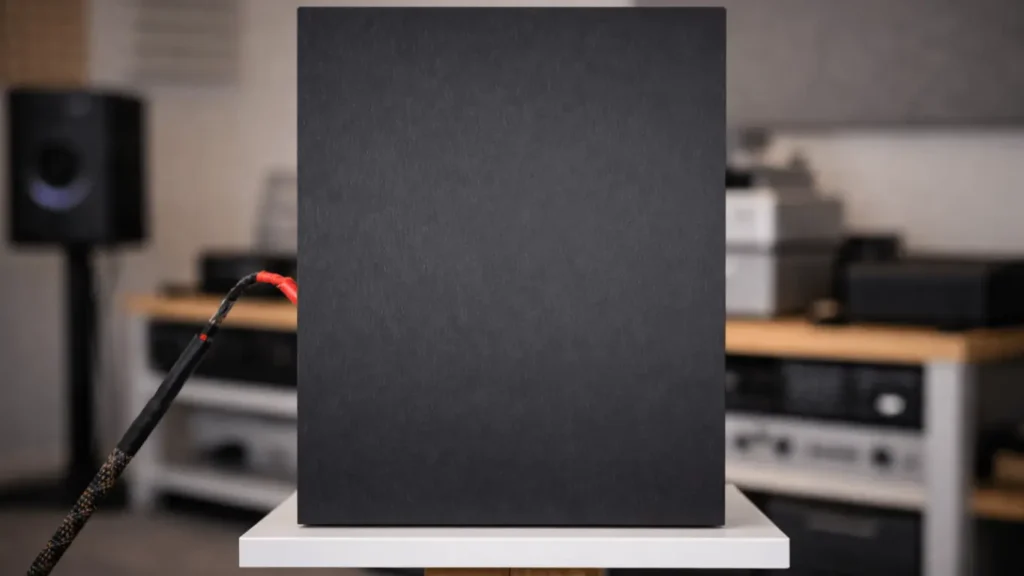
The cabinet is clean and minimal, wrapped in a durable vinyl finish. It doesn’t scream luxury, but it feels solid. Note that grilles are not included—KEF clearly expects you to display that Uni-Q driver proudly.
Listening Impressions
- Treble: Civilized and fatigue-free. There is a subtle, intentional roll-off at the very top. This choice ensures that harsh receivers or compressed streaming sources are gently smoothed rather than brutally exposed. It’s designed for hours of listening, not a five-minute showroom demo.
- Midrange: This is where the Q150 earns its wings. Vocals are neutral and tonally convincing. Because of the Uni-Q design, the “sweet spot” is massive—you don’t have to be locked in one chair to enjoy the imaging.
- Bass: Surprisingly mature. When paired with a capable amp (like the Primare i35 Prisma), the bass is controlled and free from that annoying “one-note” mid-bass bloom found in cheaper speakers.
- Soundstage: Even in difficult rooms, the Q150 creates a 3D image. If the soundstage feels flat, the culprit is likely “upstream”—bad cables, a weak amp, or poor room acoustics—rather than the speakers themselves.
ELAC Uni-Fi Reference UBR62 Review: A Remarkably Cohesive Three-Way Bookshelf Speaker
Comparison Note: KEF Q150 vs. ELAC B6.2
If you’re looking to add one more sentence of value, you could mention:
“While the ELAC Debut 2.0 B6.2 offers a bit more scale and ‘punch’ in the low end, it can’t match the Q150’s surgical precision and holographic so
Verdict: A Rarely Honest Speaker
Most speakers in the €300–€500 range rely on sonic tricks—boosted bass or etched treble—to grab your attention. The KEF Q150 does not. It is honest.
It won’t extract every microscopic nuance of a world-class recording, but within its class, it comes closer to the core principles of high fidelity than almost anything else on the market. At its current price point, it isn’t just a good deal; it’s a benchmark.
Pros And Cons
Pros
- Holographic, 3D soundstage thanks to the Uni-Q driver.
- Sounds great, almost anywhere in the room, not just one chair.
- Smooth treble that allows for hours of listening without ear strain.
Cons
- Needs a solid amplifier to sound its best (86dB sensitivity).
- KEF makes you buy the fabric covers separately.
KEF Q150 Specifications
| Feature | Details |
| Design | Two-way bass reflex (Rear Ported) |
| Drive Units | Uni-Q Array: 1″ Vented Aluminum Dome Tweeter 5.25″ Aluminum Mid-Bass Driver |
| Frequency Response | 51 Hz – 28 kHz ($\pm$3 dB) |
| Frequency Range | 47 Hz (-6 dB) |
| Crossover Frequency | 2.5 kHz |
| Sensitivity | 86 dB (2.83V / 1m) |
| Nominal Impedance | 8 Ohms (Minimum 3.7 Ohms) |
| Max Output | 108 dB |
| Amp Requirements | 10 – 100 Watts |
| Dimensions (H x W x D) | 303 x 180 x 278 mm (11.9″ x 7.1″ x 10.9″) |
| Weight | 5.6 kg (12.3 lbs) per speaker |
| Finishes | Satin Black, Satin White, Walnut |