Is This the New Class Leader? KEF Q350 Review vs. Dynaudio Emit M20
You know that feeling when you find something that just gets it right? That’s the KEF Q350 in a nutshell. It’s the kind of speaker that makes you do a double-take, not just because it looks good sitting in your room (which it absolutely does), but because of what happens when you hit play.
Design-wise, KEF kept things clean and simple here. No flashy gimmicks, no unnecessary frills, just a sleek, modern look that feels like it belongs whether your vibe is mid-century modern or “I bought everything from IKEA.” But let’s be real: the looks are just the appetizer. The main course is the sound.
And wow, does it deliver. We’re talking detail you didn’t even know were missing from songs you’ve heard a hundred times. Subtle little moments in the music suddenly step into the spotlight. There’s this huge, open soundstage that makes everything feel alive, but it’s never overwhelming, just this beautifully balanced, confident performance that lets you sit back and actually enjoy your music.
Here’s the thing that really gets me, though: KEF isn’t some flavor-of-the-month brand throwing together speakers in a garage. These folks have been at it since 1961, started by a former BBC engineer in England. Yeah, they’re part of a bigger company now (Gold Peak out of Hong Kong), but that original spirit? Still there. Still breathing. You can hear it in every note these Q350s put out, even if they’ve since passed the torch to newer models.
KEF Q150 Review: A Budget Speaker That Quietly Redefined “Real Hi-Fi”
The Evolution of the Q Series
If there’s one preponderating theme across the new KEF Q350s, it’s refinement. Nearly every side of the speakers has been redesigned to attain a cleaner, more refined presentation, both sonically and physically.
The original KEF Q300s were a benchmark back in 2011, but as newer, higher-performing speakers emerged, they were eventually demoted. A new generation was due, and the Q350s have arrived to reclaim the throne. At £530, these standmounters offer a competitive value that sees them challenging for the top of their class.
Build & Engineering: The Uni-Q Advantage
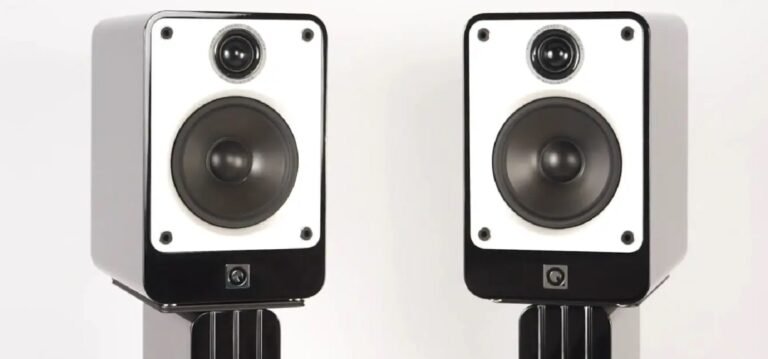
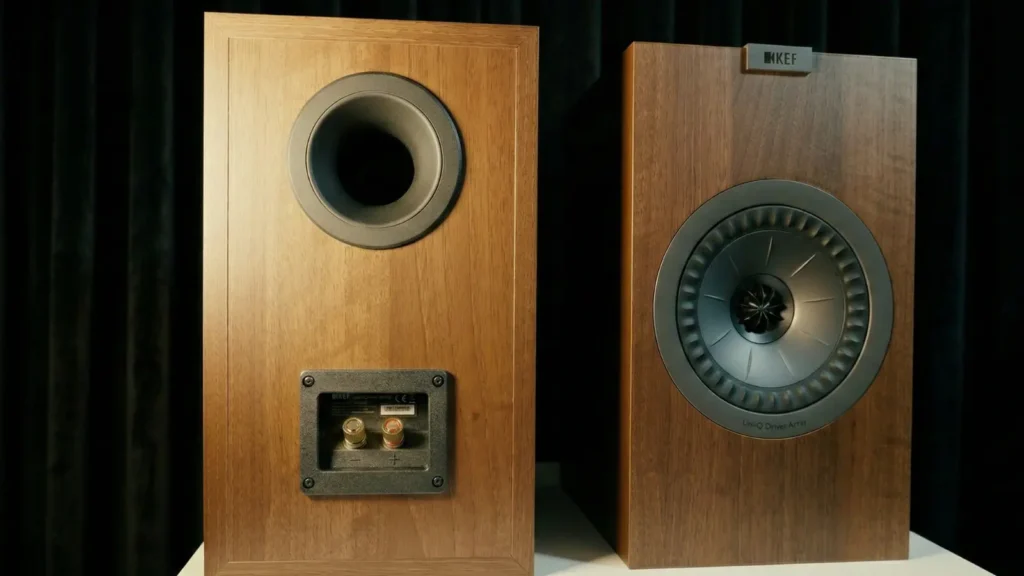
The first thing you’ll notice is how clean and fashionable the planning is compared with the older Q300s. KEF has removed the chrome strip across the front baffle and eliminated the holes for attaching grilles; the new grilles now snap on magnetically, leaving a destitute and minimal front face.
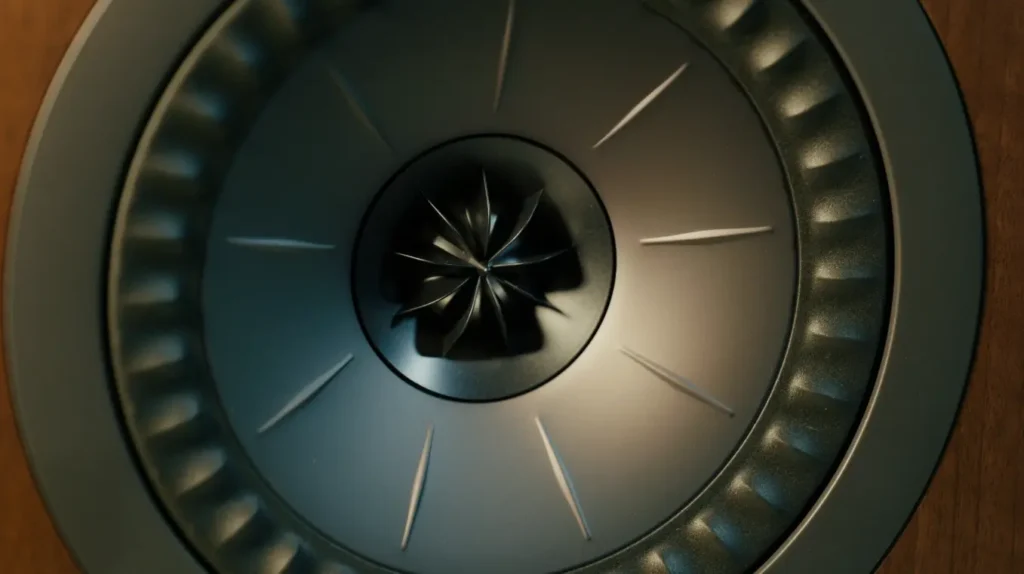
Aside from the logo at the top, nothing distracts you from the main event: the latest generation of KEF’s iconic Uni-Q driver.
- The Driver Array: What looks like a single driver is actually a 25mm ventilated aluminum dome tweeter sitting within the throat of a 16.5cm aluminum mid/bass driver.
- Single Point-Source: This arrangement is intended to boost integration between the drivers, ensuring the sound is dispersed evenly.
- Tangerine Waveguide: The distinctive “tangerine” conductor helps distribute sound across the room.
- Reference Tech: This evolution features a damped tweeter loading tube, derived from KEF’s high-end Reference series, to soak up unwanted activity from the rear of the dome, significantly improving high-frequency quality.
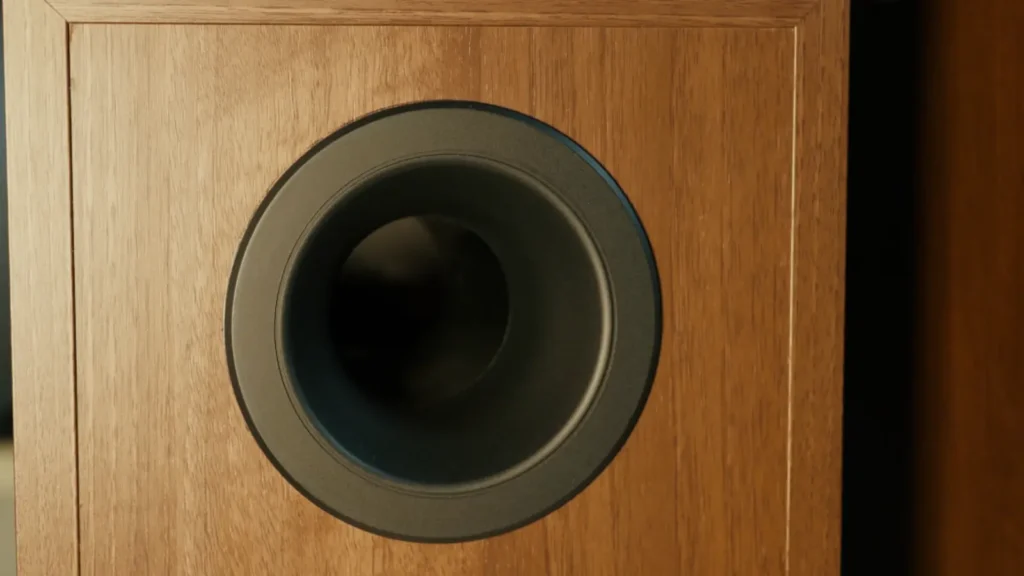
KEF has also moved the Uni-Q driver to the center of the cabinet to reduce internal standing waves and moved the port to the back to reduce midrange noise leakage.
Sound Quality: Precision and Scale
The £530 KEFs sit between two previous award-winners: the Dynaudio Emit M10s (£500) and Emit M20s (£600). Because of their size, the M20s are the natural rival.
1. Detail and Nuance
Play Coward from the Interstellar soundtrack, and you’ll be shocked by the layers of detail. The KEFs dig deep, revealing nuances with a great deal of temperament and precision. The ambient noises are fleshed out, and the way varied sounds interact makes perfect musical sense due to the Q350s’ well-timed presentation. The pendulum ticking throughout the piece sounds pristine, with precise edges.
2. Bass and Frequency Balance
These speakers go astonishingly deep. The thumping beat simmering beneath the tune is packed with a rumbling, threatening texture. Crucially, they stay clear of sounding “clinical”—they are simply articulate.
- Voices: Sound clear and characterful.
- Treble: Where we criticized the old Q300s for a thin treble, the Q350s have no such problem. It is detailed and sweet, remaining crisp without ever making you wince.
3. Soundstage and Authority
The sound is huge. The additional cabinet volume allows the KEFs to fill a space more easily than the Dynaudios. You can accurately pinpoint instruments within the Q350s’ ethereal, open soundstage.
Comparison: KEF Q350 vs. Dynaudio Emit M20
| Feature | KEF Q350 | Dynaudio Emit M20 |
| Character | Refined, Mature, Detailed | Energetic, Punchy, Fun |
| Clarity | Exceptional / Class-leading | Good, but slightly rougher |
| Dynamics | Controlled and Cohesive | Impactful “Thwack” |
While the KEFs excel at delicacy and nuanced melody, they do show a suggestion of restraint. Tracks like Amanda Palmer’s Runs in the Family, which relies on an energetic, attitude-laden beat, sound more exciting through the Dynaudios. The KEFs are a touch too refined to totally “let go” unless you crank up the volume. That even, refined sound doesn’t properly engage your attention at lower listening levels.
System Matching and Compatibility
These KEFs are transparent enough to show everything your electronics are capable of—warts and all.
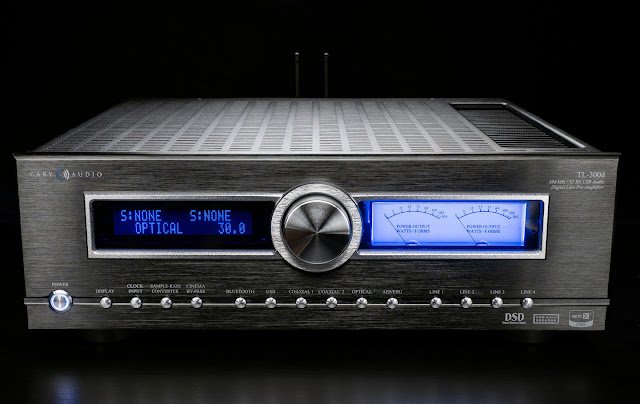
- Amplification: We recommend the Rega Brio (£600). It brings a degree of natural warmth and drive that perfectly complements the KEF’s precision.
- Placement: Give them space. Because of the rear port, they shouldn’t be shoved right against a wall, though putting them close (about 20cm) adds a bit of welcome solidity to the sound.
Verdict
It boils down to different flavors of sound. If you want raw energy, look at Dynaudio. But if you want a mature, high-level presentation with clarity and refined detail that is usually reserved for much more expensive speakers, the KEF Q350s are a cut above the rest.