Advance Paris X-i1100 DAC Integrated Amplifier Review: A French Powerhouse at a Humane Price
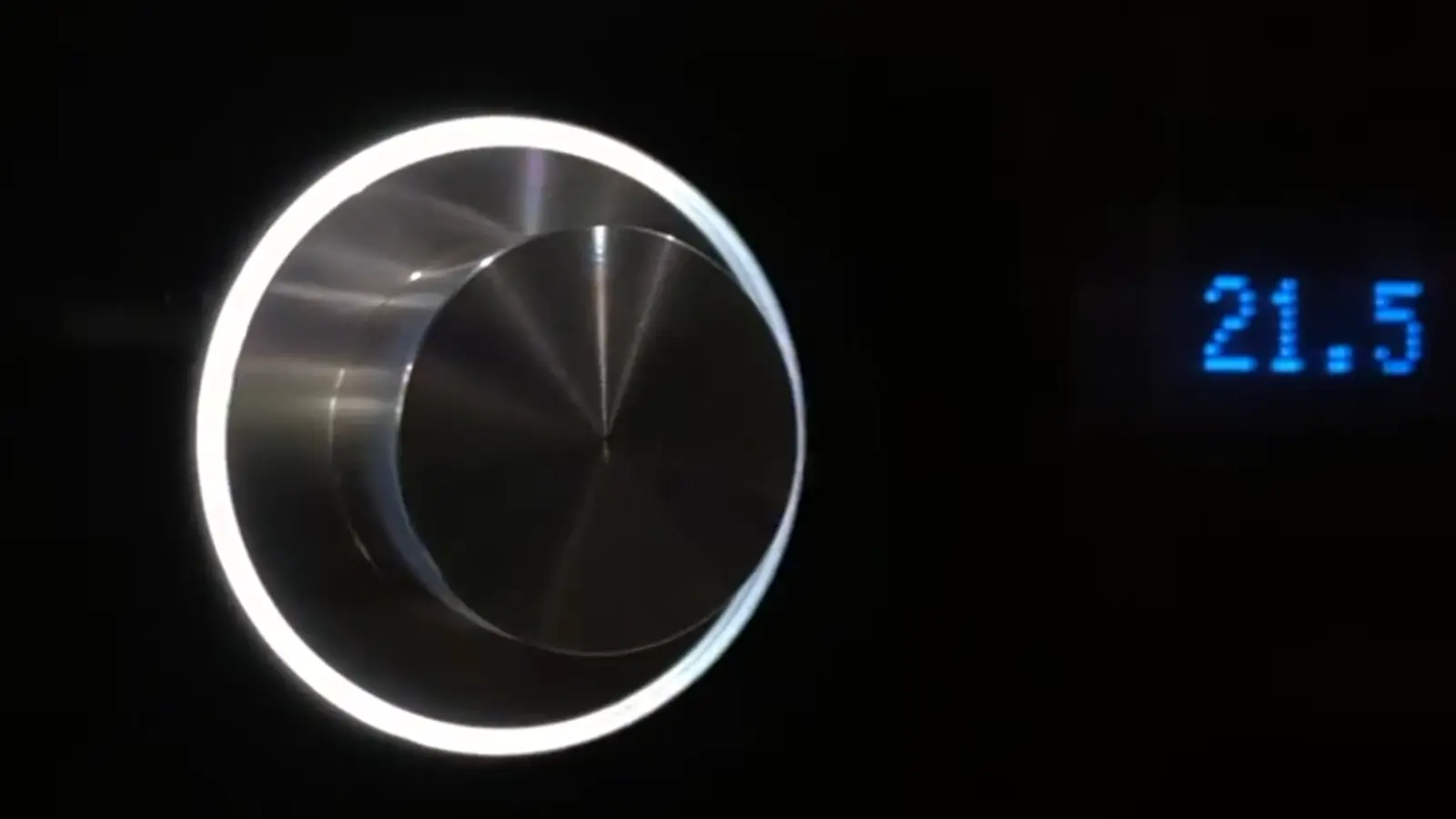
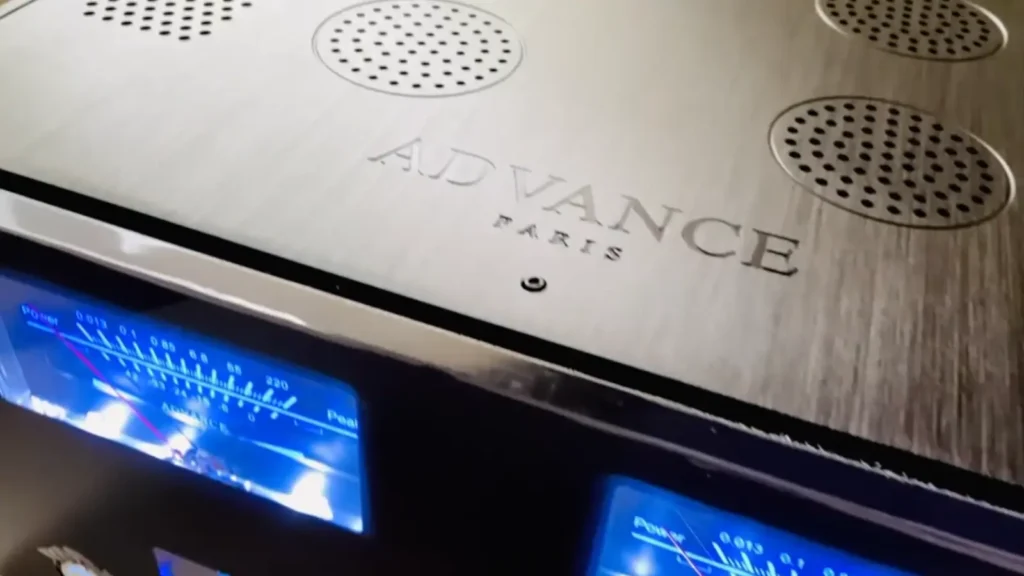
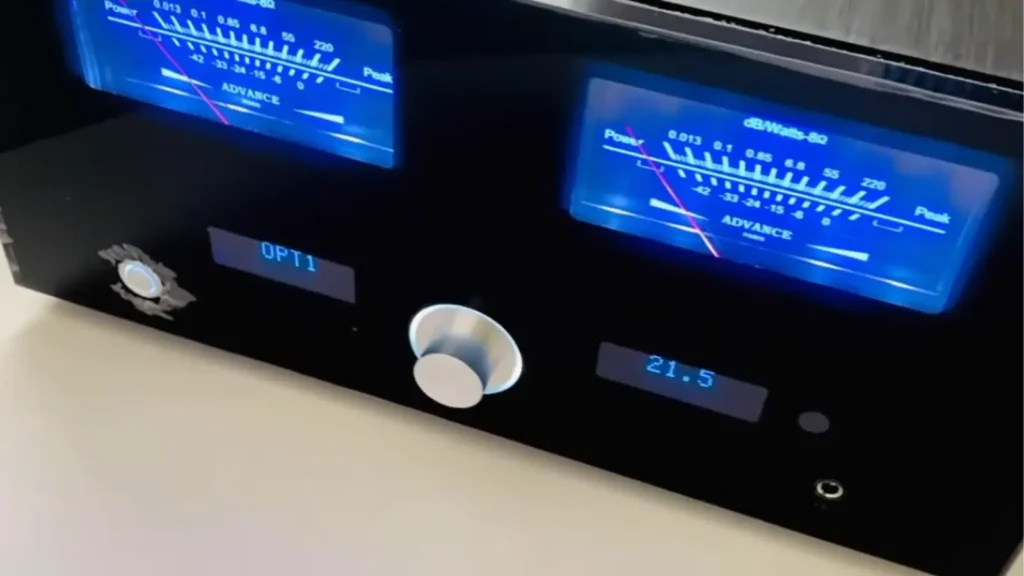
Do we still need VU meters in our detoxified world? Stupid question. The Advance Paris X-i1100 has some, and I think they could be even bigger. Because they make clear what this amplifier does best: sounding imperious, unfiltered, and remarkably good.
What Is the Advance Paris X-i1100?
The Advance Paris X-i1100 is a high-power DAC integrated amplifier from the brand’s Classic Line, delivering 220 watts into 8 ohms and 400 watts into 4 ohms. It combines a Class A/Class A-B hybrid circuit design with a high-resolution DAC (up to 24-bit/192kHz), phono input, XLR analog input, and dual speaker terminals, all for €3,490.
Build & Design: Haute Couture Meets Prêt-à-Porter
Can you still call yourself “Paris” if you live a few kilometers from the city gates? Advance Paris doesn’t have a large assembly line on any of the boulevards; the headquarters is in Brie Comte Robert, southeast of the capital. No drama. The main thing is that you feel part of one of the most beautiful metropolises in the world.
In Germany, Quadral handles distribution from Hanover. What Quadral doesn’t mention: Advance Paris also makes loudspeakers, but those would scratch Quadral’s core business, so only the electronics cross the Rhine. Makes sense.
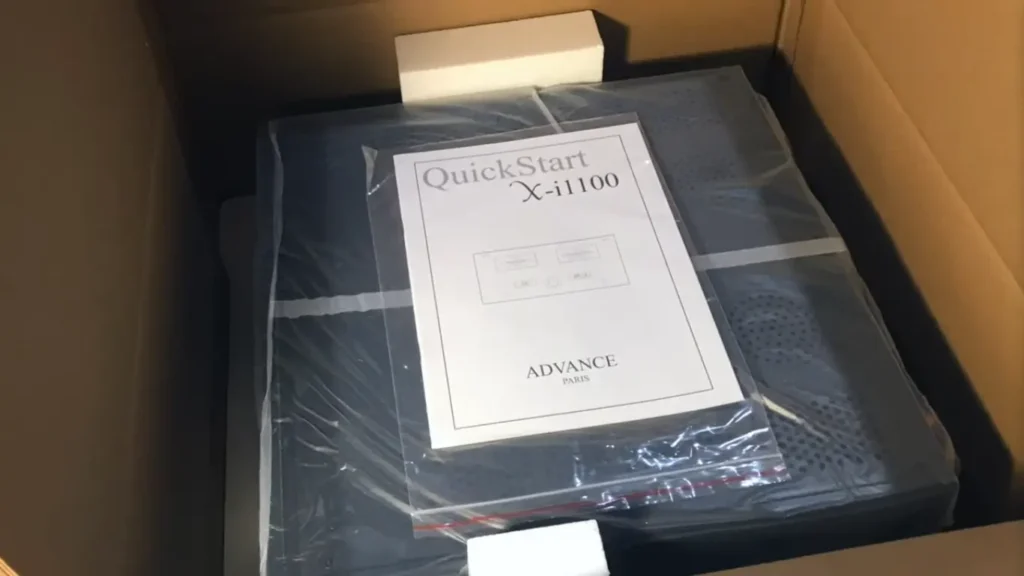
Getting the X-i1100 out of the box required two people; it weighs over 20 kilograms. Once on the sideboard, an aesthetic discussion immediately begins. Pretentious or beautiful? Both, honestly.
The front panel is dominated by two powerful VU meters with twitching pointers and bluish lighting. Artificial glass shimmers across the fascia; blue is the brand’s identifying mark throughout the Classic Line. In arrangement, it looks classic, almost old-fashioned. In radiance and surface treatment, bold.
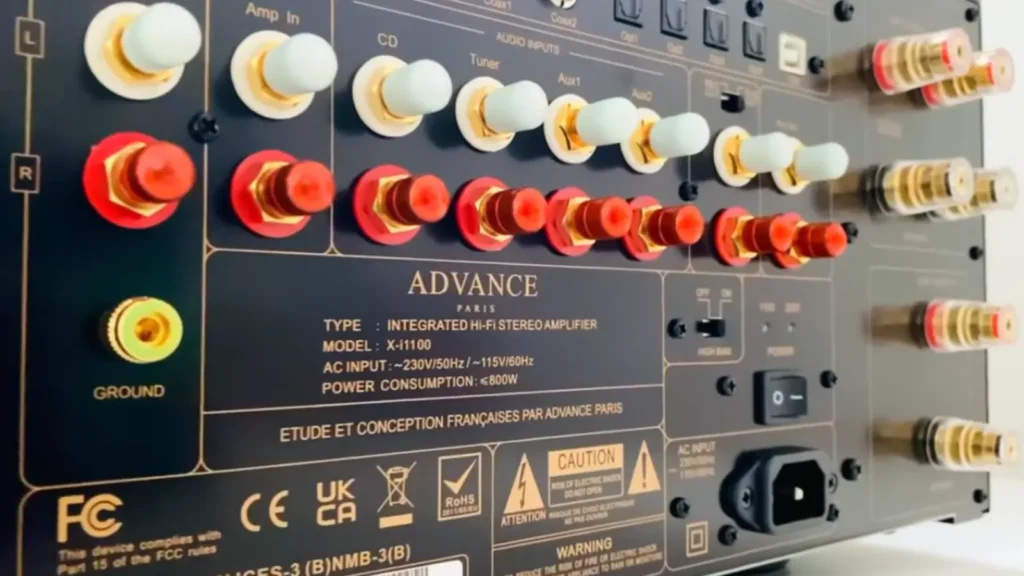
The rear panel is packed:
- 4× RCA analog inputs
- 1× XLR analog input
- 8× digital inputs (up to 24-bit/192kHz)
- Phono input (MM, 7mV) with grounding screw
- Pre-out + switchable RCA output (recorder or subwoofer)
- Dual speaker terminals (Output A supports bi-wiring)
- USB input via dedicated XMOS chip (bypasses computer DAC entirely)
- Headphone output
The DAC section uses a Burr Brown PCM1796 for classic digital inputs and a separate XMOS chip for USB. Smart differentiation.
Inside, six chambers divide the workload. A massive toroidal transformer sits vertically in chamber two. The display control is fully encapsulated in chamber one. The preamp sits directly at the inputs; output stages are symmetrically mounted with direct contact to cooling fins. It’s so well-organized that it should be displayed permanently under transparent Plexiglas.
Circuit Design: Class A + Class A/B Hybrid
At low signal levels, the X-i1100 operates as a pure Class A amplifier. When high power is demanded, it transitions to Class A/B, a common but well-executed engineering compromise—the result: refinement at low levels, brute authority when needed.
How Does the Advanced Paris X-i1100 Sound?
Vinyl & Phono Stage
We started with the unexpected: vinyl. Specifically, a first pressing of the Sibelius Violin Concerto on Decca, Ruggiero Ricci on violin, the London Symphony Orchestra, conducted by Øivin Fjeldstad. Early Decca recordings from the 1960s have so much meat on their ribs: no starvation, just down-to-earthness and violence.
The X-i1100’s phono board handled it perfectly. Double basses occupied the hard right; the violin placed a blissful sound in the sweet spot above. The ideal mix of longing and concrete access.
High-Resolution Streaming (24-bit/96kHz)
Next, a high-res Qobuz stream: Joshua Redman, Brad Mehldau, Christian McBride, and Brian Blade Round Again. Noble jazz in its most beautiful breadth and depth.
The X-i1100 placed a stable, sharply defined sound pattern in front of our ears. Elegant music met an elegant amplifier. When the drums swung out and fired the bass drum, it landed bone dry not soft, not bloated. Exactly right.
Comparisons: Cambridge Edge A vs. Atoll IN300
vs. Cambridge Audio Edge A (our British benchmark): The Cambridge plays softer, smoother, to use the beautiful foreign word. Instruments have more body; it’s harmonizing rather than centered. The Advance plays the French contrast program: more power, more impulsiveness, more selectivity. If you want contrast, the X-i1100 delivers more of it.
vs. Atoll IN300 (a fellow French reference DAC amplifier): Tonally, the two French amps are much closer. Both favor an open, direct approach nothing swept under the table, impulses celebrated, a snare drum hit served almost at the next table. The Atoll proves slightly finer; the X-i1100 is slightly more angular, more powerful, with stronger low-frequency authority. At 400 watts, you can hear why. And if you want to see how its bigger sibling stacks up, our Atoll IN-400 SE review makes for a fascinating read.
Pros & Cons
Pros
- Exceptional DAC quality (Burr Brown PCM1796 + XMOS USB)
- 220W/8Ω — 400W/4Ω: drives virtually any speaker
- Versatile inputs: analog, digital, phono, XLR, USB
- Hybrid Class A/A-B circuit — refined and powerful
- Stunning build quality with premium internal layout
- Competitive price for the performance tier: €3,490
Cons
- 20+ kg — placement requires planning
- No MC phono input (MM only, 7mV)
- Heat dissipation requires proper ventilation
- Feature complexity may overwhelm newcomers
- Some compatibility checks are needed for edge-case devices
Advance Paris X-i1100 DAC Specifications
| Feature | Detail |
|---|---|
| Power Output | 220W (8Ω) / 400W (4Ω) |
| DAC Resolution | 24-bit / 192kHz |
| DAC Chips | Burr Brown PCM1796 (S/PDIF) + XMOS (USB) |
| Analog Inputs | 4× RCA, 1× XLR |
| Digital Inputs | 8× (optical/coaxial) + USB |
| Phono Input | MM (7mV), with ground screw |
| Outputs | Pre-out, switchable RCA (sub/recorder), bi-wire speaker terminals |
| Headphone Output | Yes (front panel) |
| Circuit Class | Class A (low level) / Class A-B (high level) |
| Weight | ~20 kg |
| Price | €3,490 |
Verdict:
A lot comes together in the X-i1100: the crisp authority of a powerful transistor amplifier, the high resolution of an ambitious DAC, and a staggering amount of stable headroom. It plays wonderfully dynamically and neutrally, but extends its claws at high levels. The music listener can bathe and swim, and take a cold shower when the recording demands it.
With the X-i1100, Advance Paris has launched an impressive flagship that is “big” in every respect, yet kept the price tag pleasingly small. The French credo, offer as much as possible for as little as possible, has rarely been implemented this well.
Rating: ★★★★★ Best for: listeners who want French directness, high power, and DAC integration without flagship-tier pricing.