I Ran Six 7.2 AV Receivers Through Movie Night. One Made Me Rewatch Everything
For most living rooms, a seven-channel AV receiver with two subwoofer outputs is a sensible place to start. It gives you the choice between a conventional 7.1 surround setup and a 5.1.2 Dolby Atmos system with two height speakers, while letting you add a pair of subwoofers for more even bass around the room.
You also avoid paying for extra amplifier channels you may never use or running speaker wire to parts of the room that don’t need it. For many people, a good 7.2-channel receiver is the heart of a home theater that gets used every night, whether that’s for movies, gaming, or music.
The Best AV Receiver Under $1000
Here are six receivers I’d consider, with a recommendation for the type of buyer each one suits best.
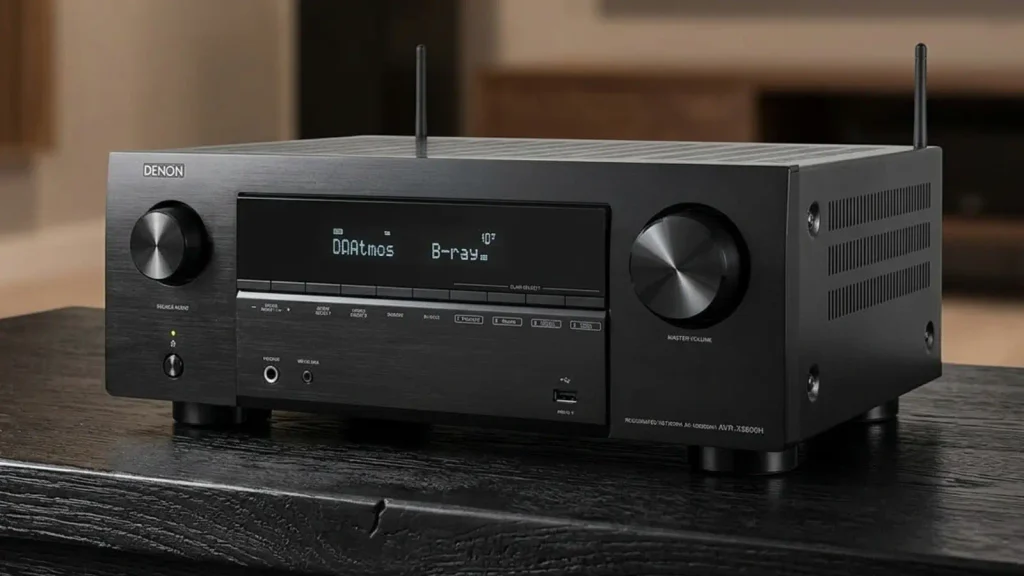
1. Denon AVR-X2800H: Best Overall
This is the one I’d tell most people to buy. Denon has been getting the balance right for years: a solid amplifier section, a sensible feature set, and a sound that’s easygoing without going soft. Put on a dense film mix, and it keeps dialogue clear in the middle while effects move around you without smearing.
You get 8K-ready HDMI, Atmos and DTS:X, Audyssey room correction, and HEOS for streaming. Setup is painless. Run the mic routine, tweak the sub level to taste, and you’re watching a movie in twenty minutes.
Why you’d buy it: it does everything well and has no big weak spot.
Why you might not: it won’t wow you with any single party trick. It’s just good at all of it.
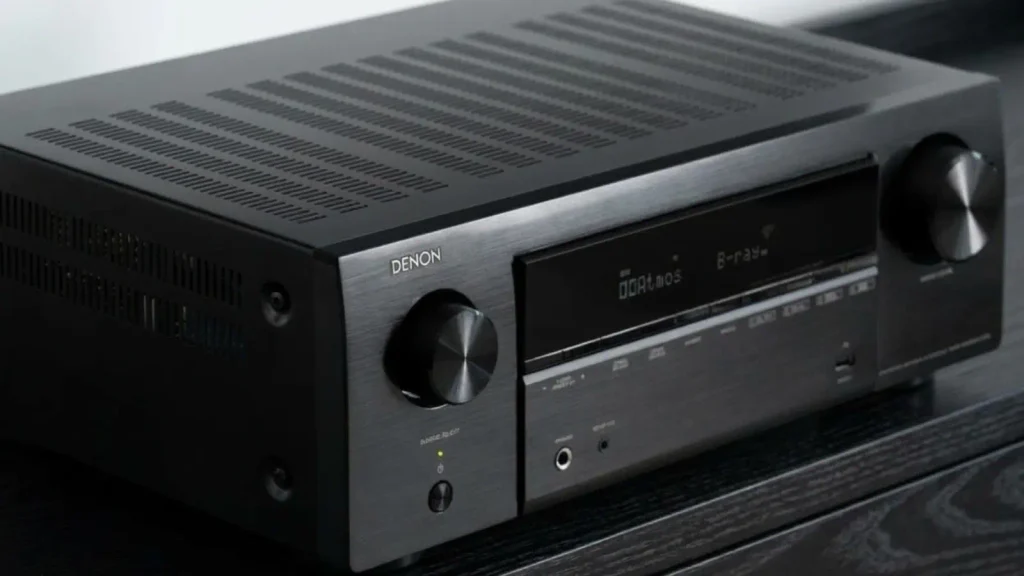
2. Denon AVR-X1800H: Best Value
Same family, same house sound, less money. You give up a bit of power and a few extras, but for a normal room with sensible speakers you probably won’t miss them. If you’re pairing it with a decent set of bookshelves or a modest floorstanding setup, this receiver has enough grunt.
It’s the one I’d suggest for a first proper home theater. It has the modern HDMI connections, Atmos, and easy streaming, and it leaves budget for better speakers, which matter more than the receiver anyway.
Why you’d buy it: the most receiver per pound spent.
Why you might not: if you’ve got hard-to-drive speakers, step up a model.
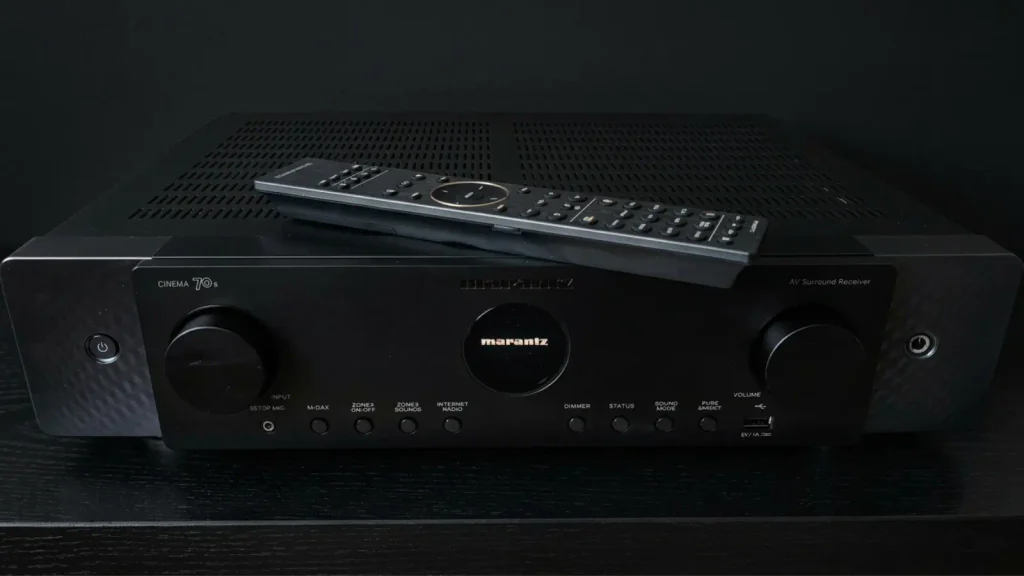
3. Marantz Cinema 70s: Best for Music and Small Spaces
I’ve already reviewed the Marantz Cinema 70s, and one thing that makes it stand out is its slim design. It offers a more compact alternative to a traditional full-size AV receiver, making it a particularly attractive choice for living rooms where cabinet space is limited or where you simply don’t want a large receiver dominating the setup.
Its seven-channel amplification supports a 5.1.2 Dolby Atmos configuration, while Audyssey MultEQ room correction helps tailor the sound to your room. You also get HEOS streaming, modern HDMI connectivity, and the flexibility to handle both movie nights and music listening. The main compromise is power: its rated output is 50 watts per channel into 8 ohms, with two channels driven, so it makes the most sense with reasonably efficient speakers in small to medium-sized rooms rather than demanding speakers in a large space.
Why you’d buy it: a slim, feature-packed receiver that fits neatly into a modern living room and handles both music and movies.
Why you might not: its lower power output makes it less suitable for large rooms or speakers that need more amplification.
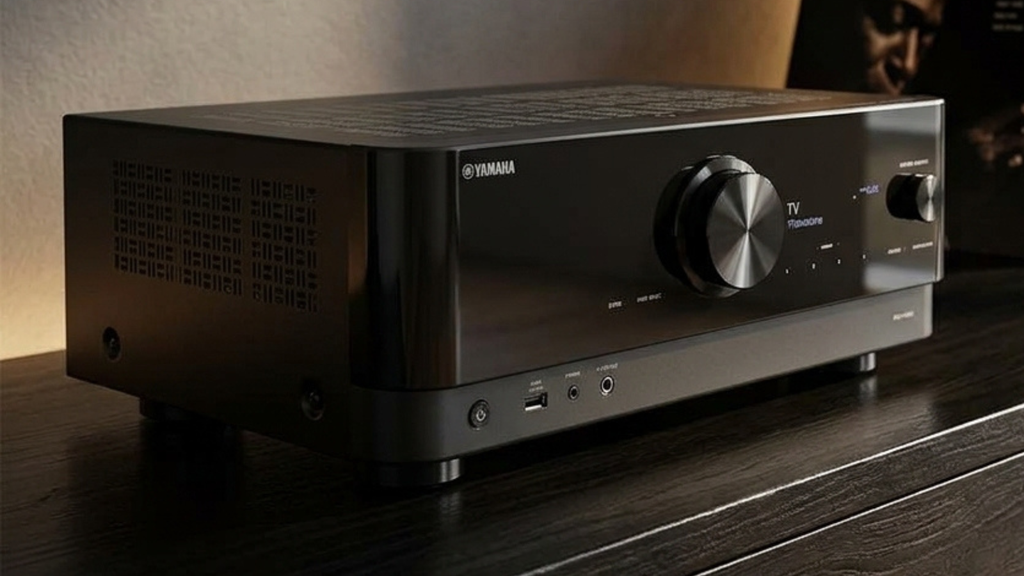
4. Yamaha RX-V6A: Best for Big, Punchy Movie Nights
Yamaha usually gets described as a bit brighter and more forward than Denon, and that’s fair. On action scenes, it comes across as lively and energetic, with plenty of bite on gunfire, engines, and cymbals. With the right speakers, that’s a lot of fun. With very bright speakers, you may want to tame it with the tone controls.
The YPAO room correction is easy to live with, and MusicCast is one of the better multi-room systems around if you’ve got other Yamaha gear. The app is clear, and the remote is sensible.
Why you’d buy it: exciting presentation, healthy power, great multi-room.
Why you might not: it can sound a touch edgy with already-bright speakers.
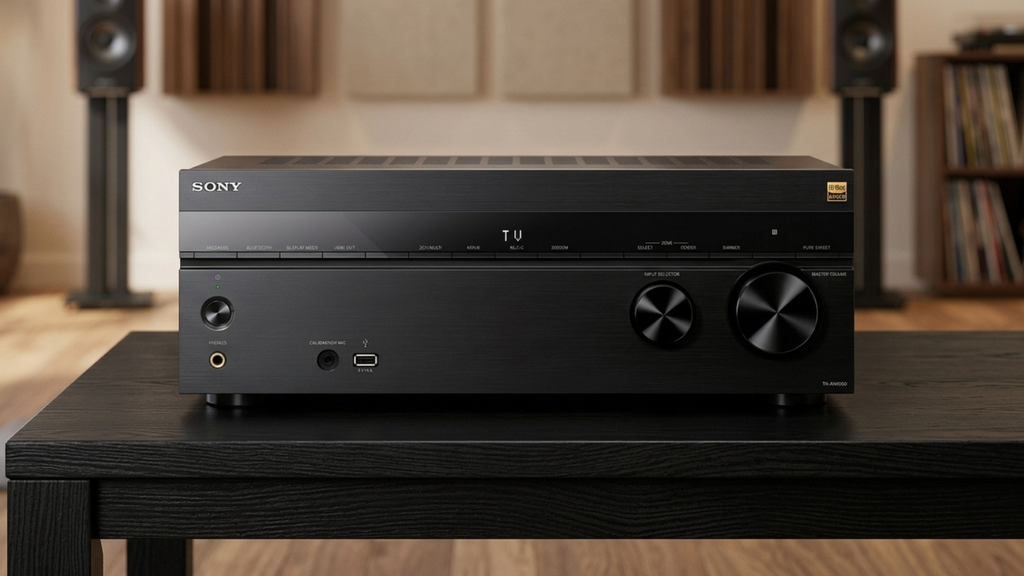
5. Sony STR-AN1000: Best for Sony TV and PlayStation Owners
Sony’s receiver has a different personality. The sound is clean and a little polished, and its 360 Spatial Sound Mapping can create virtual speakers to fill gaps when your real speaker layout isn’t perfect. It’s genuinely handy if your room is awkward and you can’t place everything where the manual wants it.
If you’ve got a Sony TV and a PS5, the HDMI features line up neatly and everything talks to each other. It’s a well-priced, no-fuss receiver that does its job.
Why you’d buy it: simple, powerful, and made for the Sony ecosystem.
Why you might not: the room correction and tuning options are less flexible than Denon or Yamaha.
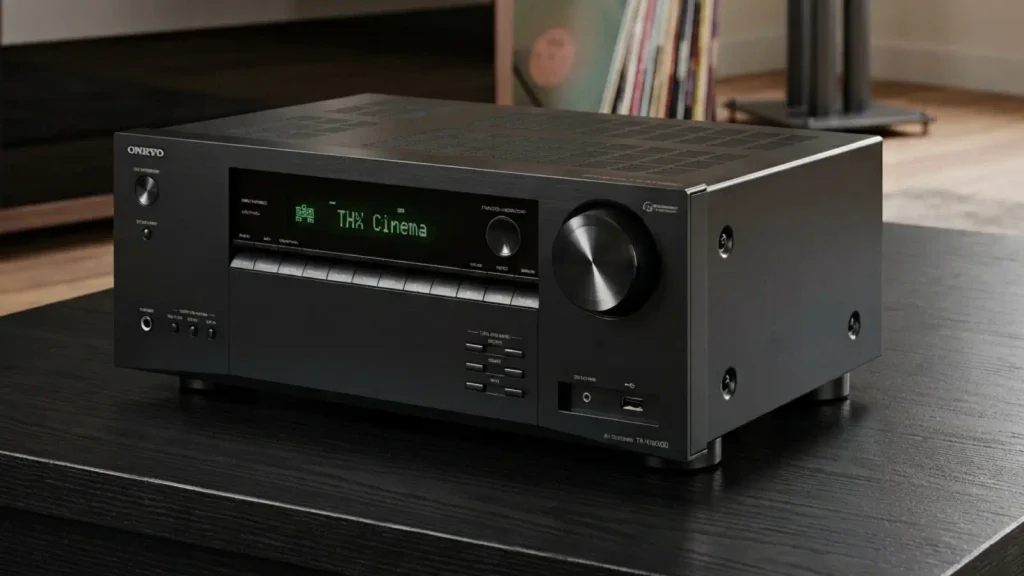
6. Onkyo TX-NR6100: Best for Tinkerers
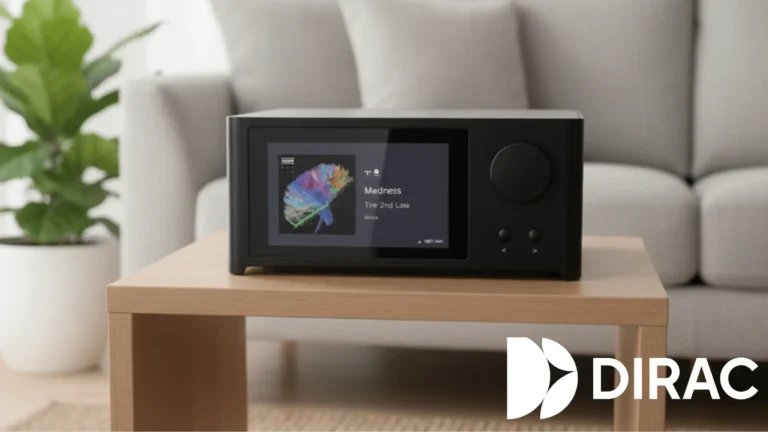
Onkyo gets onto this list for one reason: Dirac Live support. If you like getting deep into room correction and shaping the bass response in your particular room, Dirac is a serious tool, and having it at this level is a real draw. A properly Dirac-tuned room sounds tighter and more even than a quick auto-setup ever manages.
The trade-off is that it’s an older design, so the HDMI spec is less future-proof than the Denon and Marantz models. If you’re gaming at high frame rates on newer consoles, check that carefully before you buy.
Why you’d buy it: excellent room correction potential and a healthy amp section.
Why you might not: dated HDMI for the latest gaming and 8K gear.
Final verdict
I would keep your writing style and most of the six sections. You don’t need to rewrite the whole piece. The personal voice, concise descriptions, and “Why you’d buy it / Why you might not” format are effective.
Before publishing, fix the Onkyo Dirac Live error, make the opening technically precise, and soften any unsupported sound-quality comparisons. I’d also add a compact specifications table with channel count, rated power, room correction, HDMI capabilities, and typical price once you verify current US prices.
One final editorial point: your headline should make the buyer’s benefit clear, such as “The 6 Best 7.2 AV Receivers for a Living Room Home Theater”. It is direct, matches the article, and makes the subject immediately clear to search and Discover readers.