I Would Upgrade These Three Things Before Replacing My Amplifier
There’s something tempting about buying a new amplifier. You start reading reviews, comparing power ratings, checking out the latest integrated models, and picturing how much better your system could sound with a shiny new component sitting between your source and speakers. I’ve been there plenty of times, especially when you get that feeling that your system should be capable of giving you just a little more.
But before you drop hundreds or even thousands on another amplifier, I’d take a closer look at three things that can have a much bigger impact on how your system actually sounds. Your speakers’ placement, the room you’re listening in, and how your speakers handle the low end can all change your experience in ways a new amplifier probably won’t fix.
Now, don’t get me wrong. Amplifiers matter. The right one can make a real difference when your current model is struggling to drive your speakers, running out of steam at your usual listening levels, or missing the connections you need. But if your amp is already doing its job properly, swapping it out might not be the best way to improve things.
Here are the three things I’d look into first.
1. I’d Start by Moving My Speakers Before Buying Anything
It might not be the most exciting upgrade, but speaker placement is one of the first things I’d experiment with when a system isn’t sounding quite right.
You can spend a serious amount of money on a great pair of speakers and still miss out on much of what makes them enjoyable if they’re poorly positioned. Bass can get boomy, vocals can lose focus, and the stereo image can sound flatter than it should. None of that automatically means your speakers or amplifier need replacing.
I’d start with the distance between the speakers and the front wall, along with how far they are from the side walls. Moving a speaker just a few centimetres can sometimes change the bass balance, especially in smaller rooms. The effect depends on the speaker design, the room, and where the speakers already sit, so there’s no magic formula that works for everyone.
Instead of moving everything at once, I’d make one adjustment and listen to a familiar track. Start with your speakers positioned symmetrically, then try small movements forward and backward. Pay attention to whether bass notes become easier to pick out, whether vocals sound more natural, and whether instruments sit more clearly between the speakers.
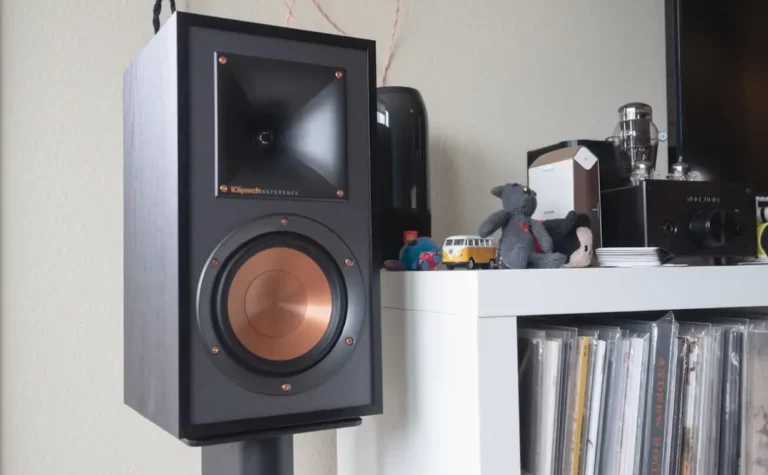
The type of speaker you own can also influence where it works best. Models with rear-facing bass ports, for example, may need more clearance from the wall, depending on their design and the manufacturer’s recommendations. That doesn’t mean every rear-ported speaker needs to sit far out into the room. It’s worth experimenting with the actual response rather than following a rigid rule.
Toe-in is another adjustment worth trying. That simply means angling the speakers toward your listening position. Some speakers sound best pointing almost straight ahead, while others benefit from being angled more directly toward you. I’d try a few positions rather than assuming the manufacturer’s suggestion is the final word for your room.
The key is to use recordings you know really well. A familiar vocal track can reveal changes in image focus, while something with a repeating bass line can help you spot notes that seem unusually loud or disappear into the background.
I’d also keep your listening position consistent. Moving your chair can change the bass response just as much as moving the speakers. If a small adjustment improves things, there’s really no reason to spend money on a new amp before exploring it properly.
My take: Play around with speaker position in small, repeatable steps before buying another component. It costs nothing, and it can show you whether the problem is actually in your setup rather than your electronics.
2. I’d Look at the Room Before Blaming the Gear
One of the easiest things to overlook in a hi-fi system is the room itself. We tend to think about speakers, amps, DACs, and streamers because those are the things we can buy and compare. The room? That’s just where we put everything.
Unfortunately, it plays a huge role in what actually reaches our ears.
Hard, reflective surfaces can create strong reflections, while the dimensions of your room and the positions of your speakers can produce uneven bass. You might hear too much energy around one bass note and surprisingly little around another. Your system can sound amazing on one track and disappointing on the next, even when nothing in the electronics has changed.
Before buying acoustic panels or rearranging your entire living room, I’d start with the obvious stuff. Is your listening position close to a wall? Are your speakers shoved into corners? Is one speaker much closer to a side wall than the other? Are there large reflective surfaces around your listening position?
In an apartment or a normal living room, turning everything into a perfect listening room isn’t always realistic. Furniture, doors, windows, and the need to share the space with other people all matter. Luckily, you don’t need to turn your room into a dedicated audio cave to get useful improvements.
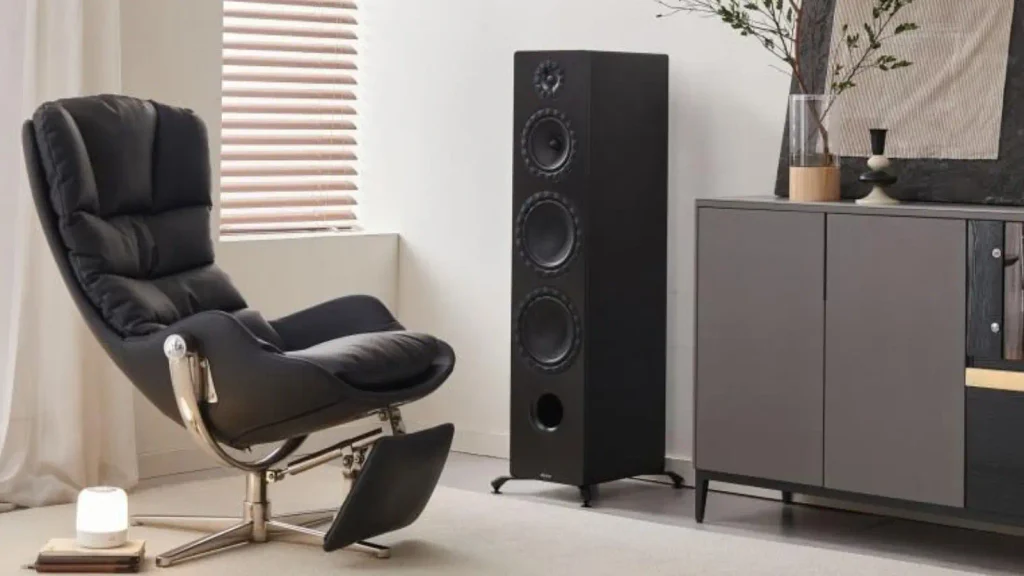
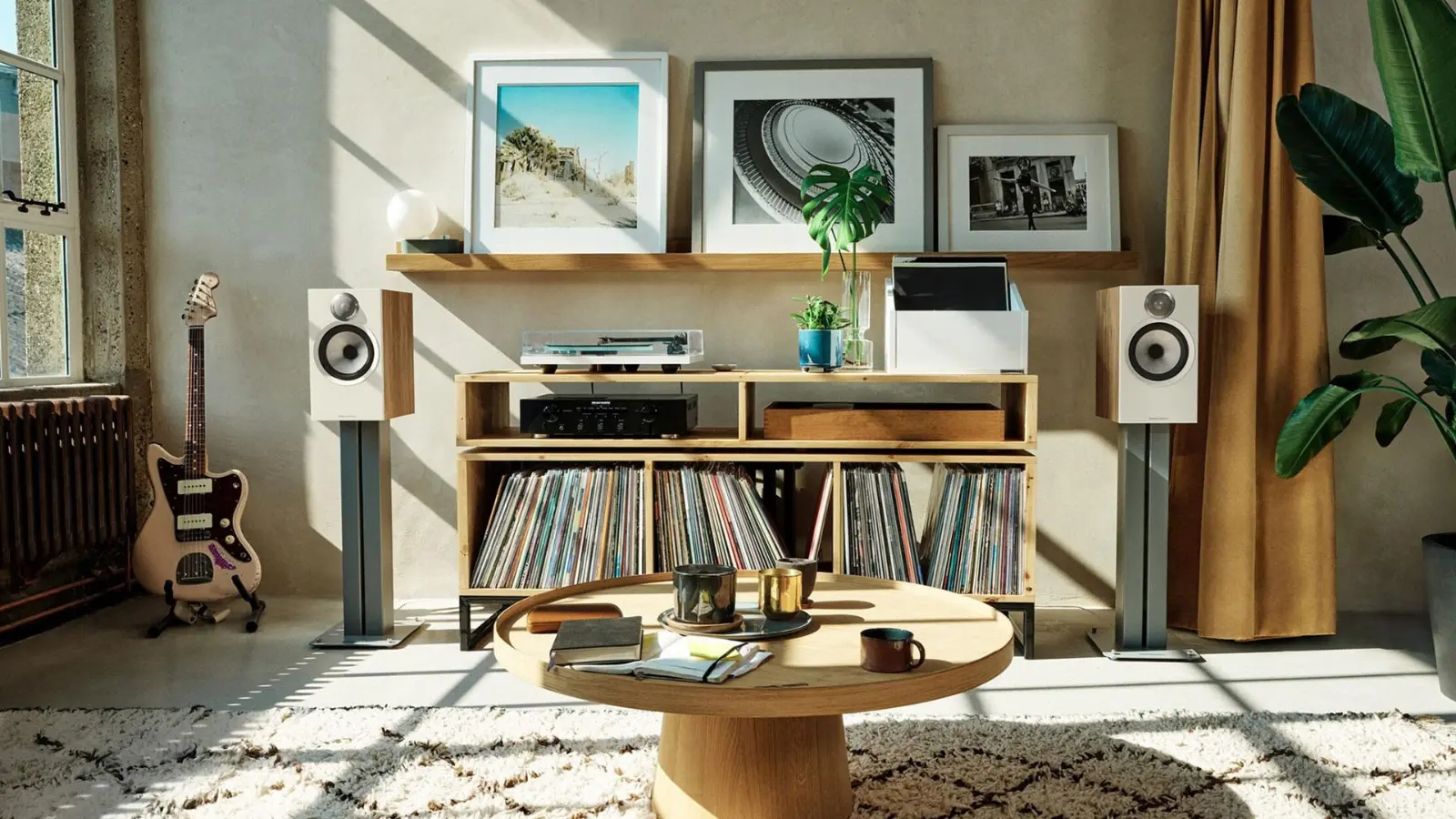
A thick rug can help reduce some floor reflections when the floor is hard. Curtains can help with window reflections, depending on their thickness and material. Bookshelves and upholstered furniture can also affect how the room behaves acoustically, although they aren’t a substitute for proper acoustic treatment when there’s a more serious problem.
For bass issues, I’d be more cautious about expecting soft furnishings to fix everything. Low-frequency room modes can be stubborn, and their effects depend heavily on your room’s dimensions and where you sit. Moving the speakers or your chair might help, but taking a measurement can tell you much more than guessing.
A calibrated measurement microphone and software such as Room EQ Wizard can help you identify peaks and dips in the frequency response. Even without measurement equipment, repeating the same listening test from different positions can reveal whether a bass problem changes dramatically as you move around the room.
These changes can help you understand what’s happening, but they won’t necessarily solve every acoustic issue. Persistent bass problems may require more careful positioning, measurements, or properly selected bass treatment.
This is where I’d resist the urge to buy a more expensive amplifier. If the room is making certain bass notes sound exaggerated or causing reflections that blur the stereo image, a different amp is unlikely to solve the real problem.
My take: Check speaker symmetry, listening position, reflections, and bass behaviour before spending money on electronics. If the room is what you dislike about the sound, that’s where your attention belongs.
3. I’d Get the Bass Right Before Chasing More Amplifier Power
This is the part I’d pay extra attention to if my system sounded thin, lacked weight, or struggled to reproduce the full impact of music.
Good bass isn’t just about hitting the deepest notes possible. It’s about balance, control, and blending in with the rest of the system. The bass guitar should have a clear shape to each note, a kick drum should have impact without overwhelming the recording, and low frequencies should support vocals and instruments rather than steal attention from them.
A capable pair of floorstanders might already deliver enough bass for a particular room. In another setup, even expensive speakers can struggle to produce the low end you want without exciting room resonances. The answer depends on the speakers, their placement, the room, and the music you love.
If I were unhappy with the bass, I’d first figure out what was actually missing. Not enough deep bass? Too much energy around a certain note? A lack of punch? Those are different problems, and they don’t all have the same solution.
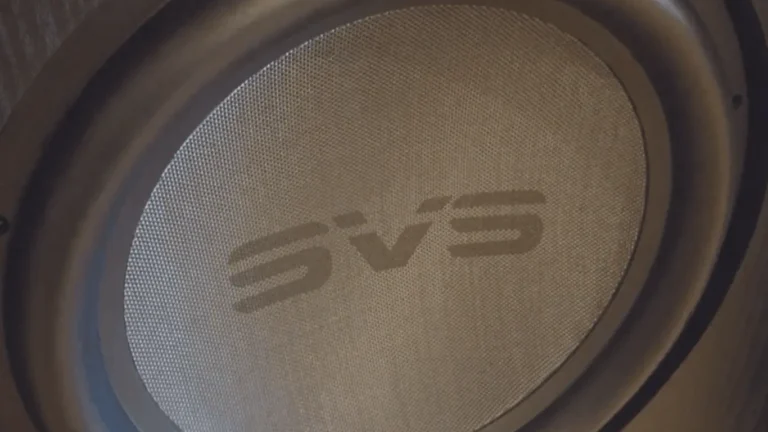
A subwoofer can be worth considering if your main speakers can’t deliver the extension or output you want. Properly integrated, it can add depth to the system. When used with suitable bass management, it can also reduce the low-frequency workload on smaller main speakers. However, simply adding a subwoofer doesn’t automatically take that workload away if your main speakers continue playing the full bass range.
Nor does adding a subwoofer automatically improve every system. Poor placement, an unsuitable crossover, incorrect level settings, or timing issues can make the sound less coherent rather than better.
I’d start with the subwoofer’s position, crossover frequency, and level, making small changes while listening to music I know well. If the system allows it, I’d also check the phase or time-alignment settings. The goal is to make the transition between the main speakers and subwoofer sound natural, rather than making the sub itself obvious.
There’s a practical way to evaluate the result. Use a few familiar recordings with different kinds of bass, then compare the sound at the same volume. Listen for whether bass notes stay distinct, whether the kick drum has convincing weight, and whether low frequencies overwhelm vocals or other instruments. If you’ve got measurement software, check the response through the crossover region too.
I wouldn’t automatically add a subwoofer to a system that already has balanced, satisfying bass. Nor would I buy one just because it promises a lower frequency specification. The real question is whether your current system has a specific limitation the subwoofer can actually address.
And if your main speakers are already giving you the bass you want, but things sound strained when you turn up the volume, then the amplifier might deserve a closer look. The point is to identify the limitation before choosing the solution.
My take: Figure out whether the problem is bass extension, room response, integration, or a genuine lack of output. A properly configured subwoofer can be a meaningful upgrade, but only when it addresses the problem you actually have.
What About Upgrading the DAC or the Source?
I’d still consider the source chain, especially if I were using an unreliable connection, a misconfigured digital output, or a source component that genuinely held the system back. But I wouldn’t automatically put a new DAC ahead of the three priorities above.
If your current DAC is working properly and delivering transparent playback, swapping it for a more expensive model may not produce an obvious improvement. The same goes for music streamers. Features, app support, connectivity, and usability can all justify an upgrade, but a higher price doesn’t guarantee a more convincing sound.
I’d check the settings first. Make sure the right output is selected, avoid unintended volume reductions or processing, and compare recordings at matched playback levels. If you’re comparing streaming services, remember that different masterings and small volume differences can influence what you hear. A fair comparison takes more than switching between two tracks and deciding the louder one sounds better.
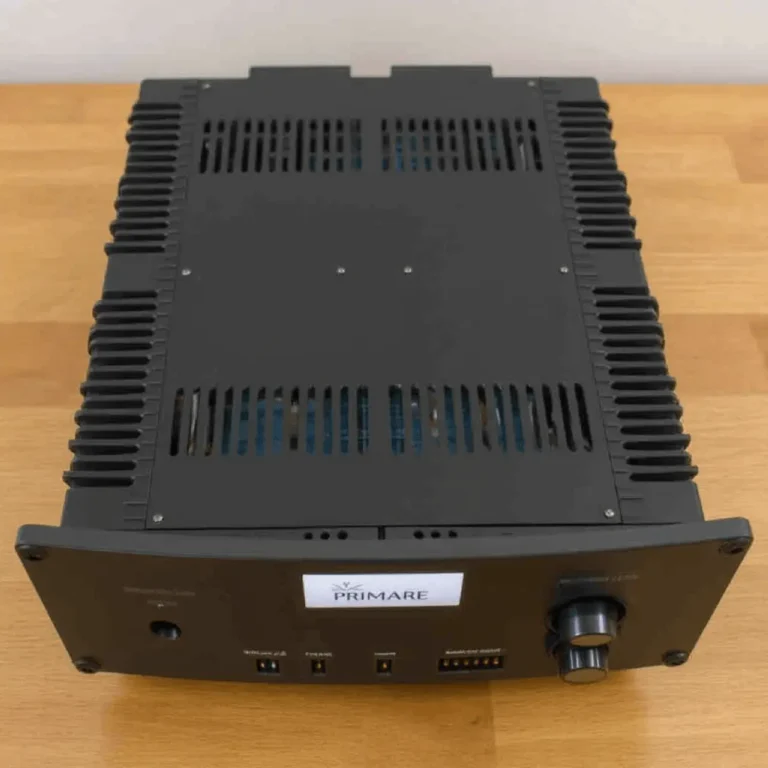
The same principle applies to amplifiers. Before replacing one, check whether it has enough clean power for your speakers and your usual listening levels. If it’s clipping, overheating, making unwanted noise, or missing a connection you need, those are legitimate reasons to consider another model.
But if it drives your speakers comfortably and sounds clean at your preferred volume, I’d be reluctant to replace it just because a newer amp has more watts or a fancier specification sheet.
How I’d Decide Where to Spend My Money
I’d approach the decision pretty straightforwardly. First, I’d describe exactly what I don’t like about the current sound. Then I’d change one thing at a time and listen again using the same recordings and similar volume levels.
If the bass is uneven, I’d look at speaker placement and the room before considering a subwoofer. If the stereo image lacks focus, I’d check speaker symmetry and toe-in. If the system sounds great at moderate levels but strains when turned up, I’d look into the amplifier’s power capability and what the speakers demand from it.
Measurements can help separate these possibilities. A frequency-response measurement can reveal uneven bass and other tonal irregularities in the room and speaker interaction. Assessing whether an amplifier is reaching its limits requires a different approach, taking into account listening levels, speaker sensitivity, impedance, and the amplifier’s capabilities. Neither measurement nor listening alone tells the whole story, but together they can make an upgrade decision more informed.
I’d also set a budget before browsing new gear. It’s shockingly easy to turn a small concern into a long shopping list, especially when every component seems to promise a little more detail, power, or refinement.
Sometimes an upgrade really is the right answer. There are systems where the amplifier is the weakest link, and replacing it can provide the power, functionality, or compatibility that was missing. I just wouldn’t assume that’s the case before checking the rest of the setup.
I’d Fix the System Before Replacing the Amplifier
If I had to choose where to start, I’d work through speaker placement, room acoustics, and bass performance, in that order. These areas are closely connected, and improving them can make it easier to understand what the rest of your system is actually capable of.
The best part? The first experiments cost almost nothing. Moving speakers, adjusting your listening position, and checking bass integration can teach you more about your system than immediately buying another component.
I’d still love to hear what a well-matched amplifier can do with the right speakers. There’s nothing wrong with enjoying new gear, and sometimes that upgrade itch is just part of being an audiophile. But I’d rather spend money on a clearly identified weakness than replace a perfectly capable amplifier hoping something magical happens.
So before you order that new amplifier, give your current system a little attention. You might discover the improvement you were looking for was already within reach.