I Finally Understood Why the Klipsch KG 5.5 Became a Cult Classic
There are speakers that people recommend.
And then there are speakers people warn you about because once you hear them, you start questioning every upgrade you’ve ever made.
That’s exactly what happened when I revisited the Klipsch KG 5.5.
These aren’t new. They aren’t fashionable. They don’t fit today’s slim-tower aesthetic. Yet the moment music starts, something unmistakable happens: the room pressurizes, the soundstage snaps into place, and you realize this speaker was built in a time when full-range actually meant full-range.
What surprised me most wasn’t how loud they go, it was how effortless everything sounded while doing it.
First Impressions: Big Cabinets, Bigger Intentions
There’s no easing into the KG 5.5. They are tall, wide, heavy, and unapologetic. Moving them immediately explains why owners joke about needing a trolley or a chiropractor.
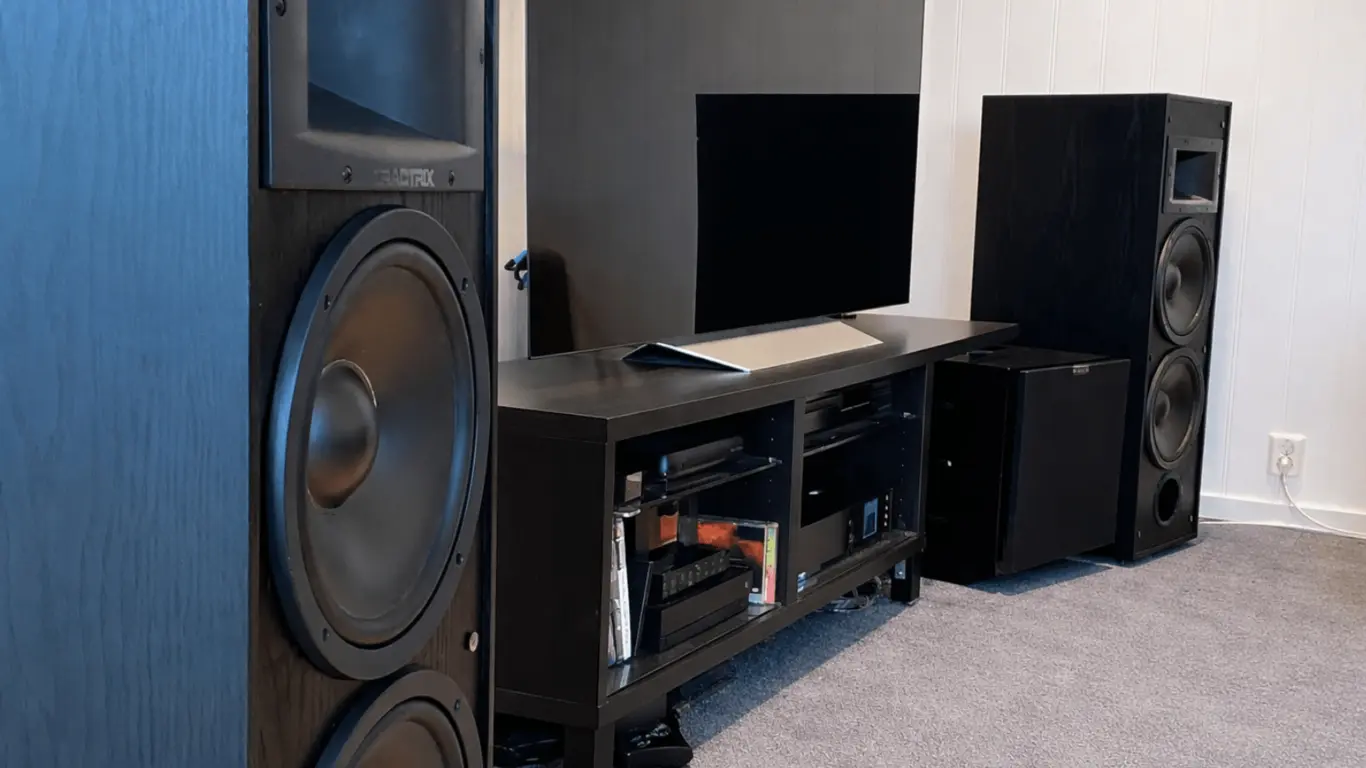
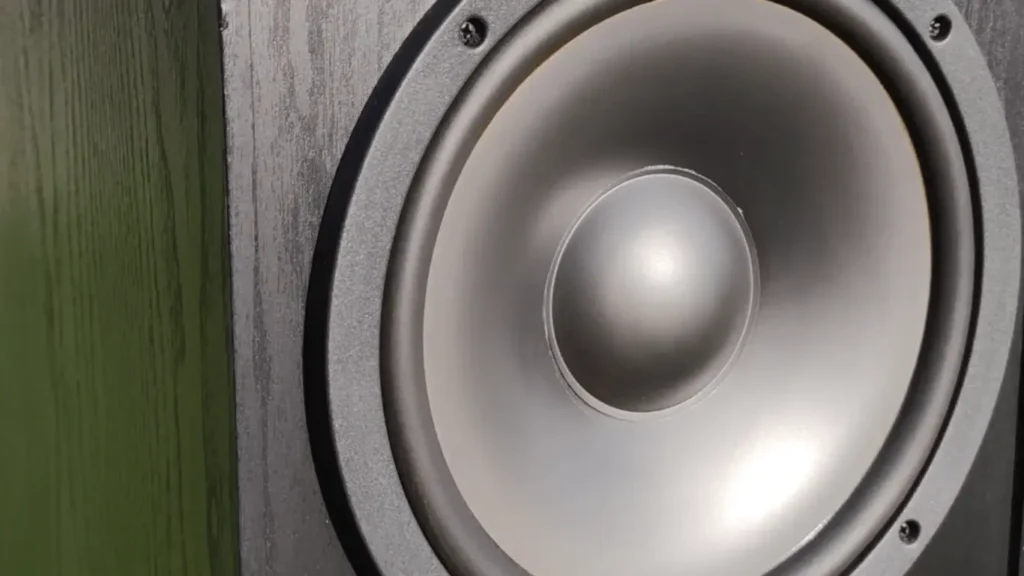
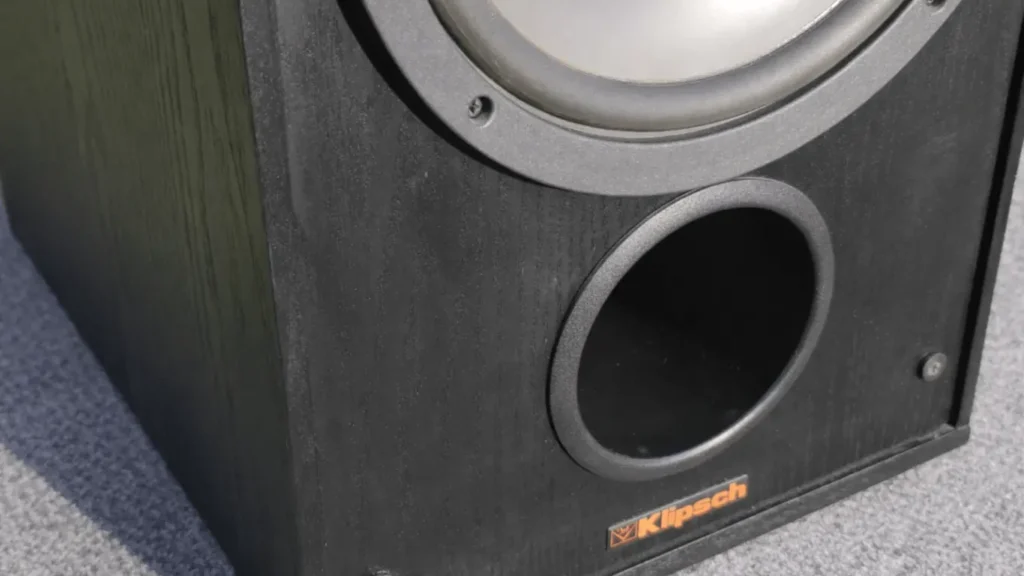
But once positioned, especially in medium to large rooms, their size suddenly makes sense. The cabinet volume allows the dual 10-inch woofers to breathe properly, and you can hear it from the very first bass note. There’s no artificial weight, no “hi-fi bass trick.” Just real air being moved.
Check Out: Klipsch RP-600M Review
The medium oak finish, in particular, feels timeless. I understand now why owners regret selling oak versions and later settle reluctantly for black. These don’t feel like equipment; they feel like furniture with authority.
The Moment They Clicked: Bass Without a Safety Net
I went in skeptical of the usual claim:
“You won’t need a subwoofer.”
Then I stopped thinking about subs entirely.
At sensible listening levels, the bass is already firm and grounded. Turn the volume up slightly, not recklessly — and the KG 5.5 reveals its true personality. The bass doesn’t bloom or smear; it locks in. Kick drums are hit with chest pressure. Bass guitars have texture, not just weight.
What struck me was how clean the low end remained even when the room itself started reacting. Floors vibrate. Furniture complaints. The speakers don’t.
Long-term owners confirmed what I heard: these speakers comfortably reach into the low-30Hz range, and while they roll off below that, what’s there is so authoritative that most listeners never miss the last few hertz.
This is old-school engineering done right.
Midrange Honesty: No Flattery, No Mercy
The midrange is where the KG 5.5 reveals its character and its demands.
Vocals are clear, open, and forward, especially male vocals and classic rock recordings. Instrument separation is excellent, even when mixes get dense. You don’t have to lean forward to “listen harder”; everything is already laid out in front of you.
But make no mistake: these speakers tell the truth.
Poor recordings sound poor. Low-bitrate files are exposed instantly. I could hear compression artifacts that modern, softer-voiced speakers often gloss over. Long-time owners echoed this exactly — several mentioned how easily the KG 5.5 distinguishes MP3s from CDs or vinyl.
This is not a weakness. It’s a warning.
Treble & the Horn Question: The Detail and the Fix
Let’s address it directly: Yes, the KG 5.5 can sound bright.
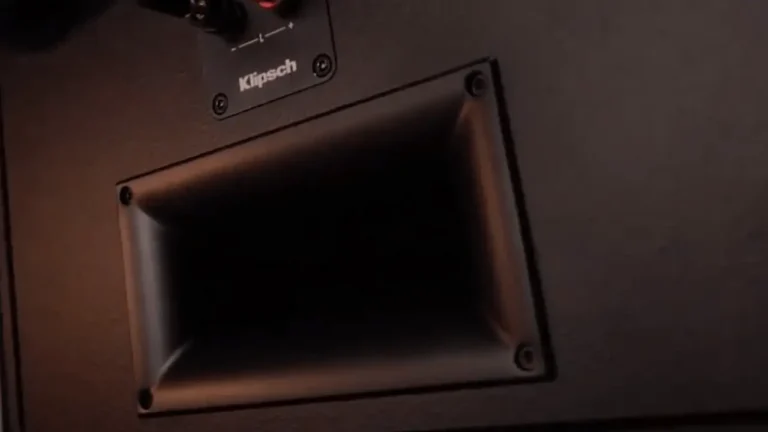
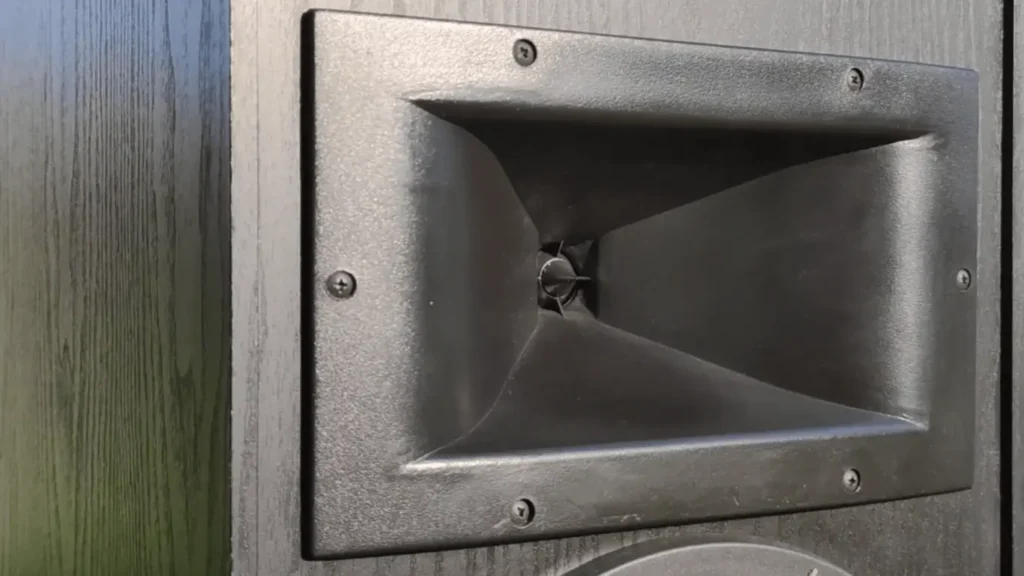
But “bright” here doesn’t mean harsh or thin; it means explicit. The Tractrix horn is designed to throw detail directly at you. However, after decades of use, the original phenolic diaphragms can sometimes feel a bit “honky” or fatiguing on certain tracks.
Here is where the magic happens: Many in the Klipsch community swear by the Bob Crites titanium diaphragm upgrade. If you find the highs too sharp, that simple swap smoothens the response without losing that signature Klipsch energy. Once you dial them in—either through system matching or that titanium tweak—the treble becomes addictive. It’s lively, dynamic, and brings a “live performance” air to the room that dome tweeters simply can’t match.
Soundstage: Why Every Seat Sounds Right
One of the most underrated aspects of the KG 5.5 is its soundstage consistency.
I noticed quickly that moving around the room didn’t collapse the image. There was no “sweet spot anxiety.” The speakers project a wide, stable stage where instruments stay anchored, and vocals remain centered even off-axis.
Several long-term owners described the same thing:
“There isn’t a bad seat in the room.”
In stereo, they even create a subtle surround-like effect, making additional speakers feel unnecessary for music listening.
Power & Amplifiers: 98 dB of Pure Efficiency
On paper, the KG 5.5’s 98 dB sensitivity suggests they’ll run happily on a toaster—and technically, they will. They are incredibly easy to drive at high volumes.
You May Like: That how I Finally Experienced a True Concert in My Living Room, Thanks to Klipsch
But living with them taught me a vital lesson: They don’t need more watts; they need better watts.
Because they are so sensitive, they will reveal any “noise” or “grit” in a cheap amplifier. I found that while they reach frightening levels with a modest 60W amp, they truly sing with high-current electronics. Vintage gear from Pioneer, NAD, or Adcom brings out a tighter, more controlled bass. Even though the factory specs rate them down to 34Hz, a high-current amp makes that low-end feel much deeper and more physical.
Several owners mentioned rarely turning the volume past 9 o’clock—and I completely understand why. These aren’t just loud; they are effortless.
Music & Movies: What They Love Most
After extended listening, a pattern became obvious:
These speakers love scale.
Classic rock, jazz, metal, live recordings, and film soundtracks all benefit from their dynamics and room-filling presence. They shine when music gets big — but they don’t fall apart when it gets quiet.
At very low volumes in small rooms, the bass can feel restrained. Give them space and a bit of level, and they come alive.
For home theater, they are exceptional front mains. Nearly everyone agrees they’re wasted as surrounds — these speakers want focus, not background duty.
Living With Them Long-Term: Why People Regret Selling
The most telling thing I discovered wasn’t in my own listening — it was in the stories.
So many owners sold their KG 5.5s… and spent years trying to replace them. Others compared them favorably to speakers costing several times more. A few even preferred them to iconic horn designs or modern towers.
One owner put it perfectly:
“After spending thousands, I realized I had better sound for pennies.”
That sentiment kept repeating — across decades.
The Real Weaknesses (Let’s Be Honest)
After all this praise, here’s the reality:
- They’re large and heavy
- They demand space to sound their best
- Bright recordings will sound bright
- Poor electronics will be exposed
- They’re discontinued — which might be the biggest flaw of all
What you won’t hear often?
Complaints about distortion, compression, or lack of impact.

Final Verdict: Why the KG 5.5 Still Matters
The Klipsch KG 5.5 is a reminder of a different philosophy — one where speakers were expected to do everything, without help.
They are not polite.
They are not subtle.
They are honest, powerful, and deeply musical when matched correctly.
If you find a well-kept pair today, especially in oak, the message from decades of owners — and now from my own experience — is simple:
Don’t hesitate. Speakers like this aren’t made anymore.
Klipsch KG 5.5 Specifications
| Speaker Type | Floor-standing, 2-way |
| Woofer Configuration | Dual 10-inch woofers |
| Tweeter | 1-inch Tractrix horn-loaded |
| Sensitivity | ~98 dB / 2.83V / 1m |
| Nominal Impedance | 8 ohms |
| Frequency Response | ~34 Hz – 20 kHz |
| Power Handling | ~100 W continuous / 500 W peak |
| Cabinet Weight | ~69 lbs (31 kg) each |
| Finish Options | Medium Oak, Black |
| Production Era | Mid-1990s (Discontinued) |