What Is Music Streaming? A Beginners Guide To Streaming Audio
Hello friends, and welcome to the first edition of the RateYourSound Wireless Audio How-To Series — your gateway to everything you need to know about high-quality wireless and whole-home audio.
In upcoming editions, we’ll explore many ways to bring great sound to every room in your home, along with the products that make it possible. However, since this topic is still new to some of our readers, we’ll begin with the basics.
Streaming Audio: What Are the Options?
By now, almost everyone has heard the term streaming audio, but many people still aren’t completely sure what it actually means, what advantages it offers, or where its limitations lie.
Let’s start from the beginning.
In the past, if you wanted to listen to music, you basically had three main options.
1. Live Music
You could go to your favorite bar, concert hall, church choir performance, or even a campfire sing-along and enjoy live music.
If you were talented — or had talented friends — you could even make your own music.
Live performances offer a special atmosphere, but they obviously aren’t available anytime you want to hear a specific song.
2. Radio
Another option was listening to the radio.
Radio had several advantages:
- It played the latest hits
- It was available almost everywhere
- It was free
However, there were also limitations.
You didn’t get to choose what music to play. At best, you found a station that usually played songs you liked. Occasionally, you might call in and request a track.
But most of the time you had to listen through:
- songs you didn’t enjoy
- frequent commercials
- the same songs repeated again and again
Meanwhile, other songs you loved might never be played at all.
FiiO SR11: Streaming music receiver for $100
3. Buying Albums
Many music lovers eventually decided the best solution was to buy their own albums.
This gave you full control over what you listened to. But even this approach had several challenges.
First, every format required a player:
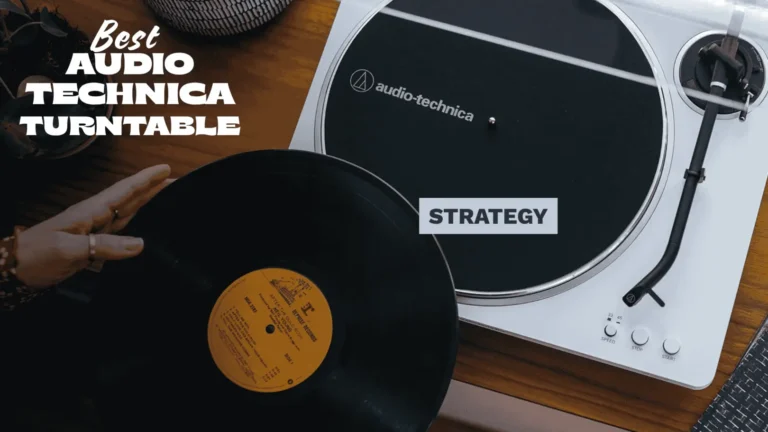
- Vinyl required a turntable
- CDs required a CD player
- Cassettes required a cassette deck
If you wanted music throughout your house, you either needed multiple players in different rooms or a complicated network of wires.
Things became even more complicated if you collected multiple formats.
Portable players helped somewhat, but they had their own limitations. Some people used a large stereo system and ran cables through their homes to other rooms.
Many of us remember situations like listening to music in the basement and running upstairs every half hour just to change the record.
Then there was the cost. Building a large music collection meant buying every album individually, which quickly became expensive. Eventually, you ended up with shelves full of CDs or vinyl records.
There were also practical concerns:
- Scratched vinyl records
- Fingerprints on CDs
- Cassettes being chewed up by cheap players — or even by the dog
What Do Streaming Music Services Offer?
Streaming audio combines many of the advantages of these older methods while eliminating most of their disadvantages.
However, many people are still confused about how streaming services actually work.
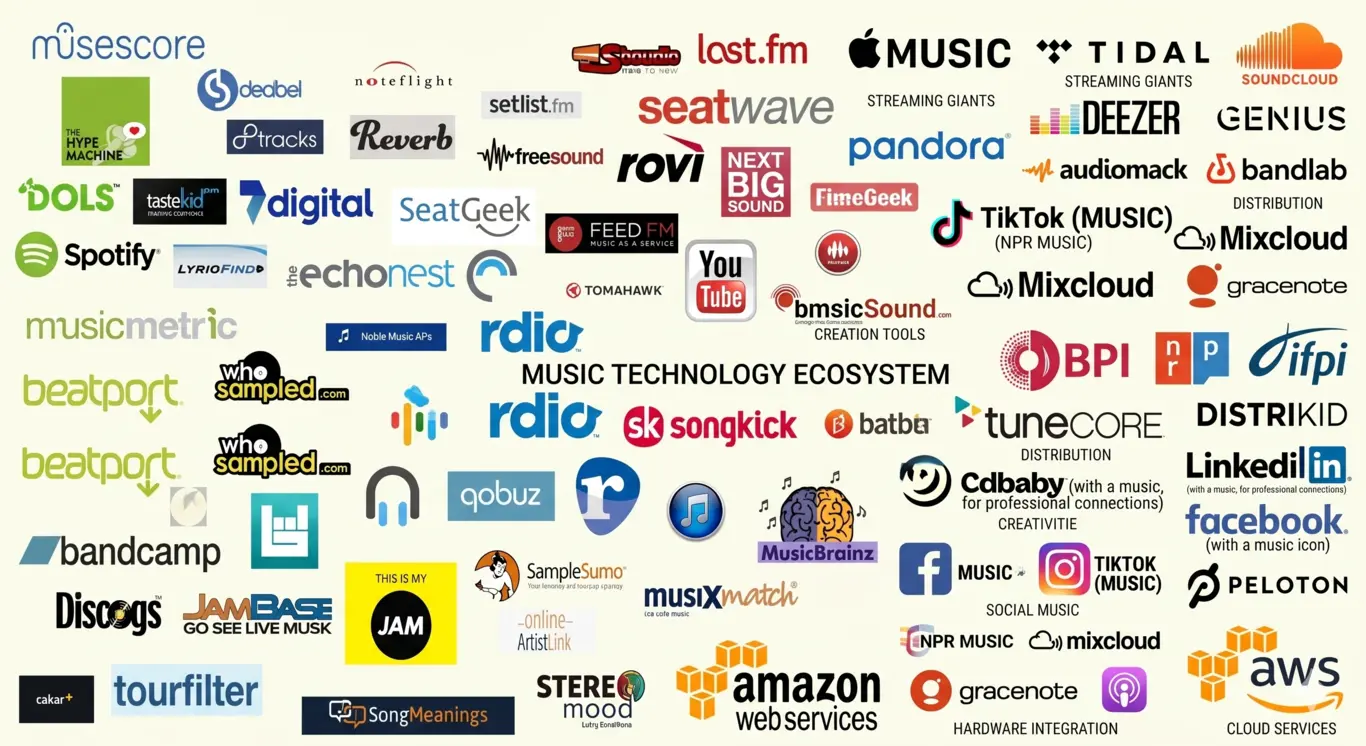
There are several different streaming platforms and many different devices capable of playing streaming audio. We’ll explore those differences in detail in future newsletters and articles on the Ampreviews website.
For now, let’s focus on the features that are common to most streaming services.
Cambridge Audio Evo 150 Review: The Ultimate All-in-One Streaming Amplifier for Audiophiles
1. Subscription Services
Most streaming services operate as subscription platforms.
You pay a monthly fee and gain access to the entire music library offered by that service for as long as your subscription remains active.
In most cases:
- The music stays on the service’s servers
- The service streams the music to your device
If you cancel your subscription or switch to another service, you generally lose access to that music.
Some services also allow you to purchase music separately, and some offer free versions.
For example, the streaming service Spotify provides a free tier that includes:
- limited audio quality
- frequent advertisements
2. Songs On Demand
One of the biggest advantages of streaming services is the ability to play content on demand.
Streaming platforms maintain enormous libraries of music. Using an app or program on your device, you simply select the songs you want to hear.
Many major streaming services now offer tens of millions of tracks.
If a song was ever released on CD — or even as a popular vinyl album — there’s a very good chance it exists in at least one streaming library.
If you think of a song or album you want to hear, you simply:
- Enter the title
- Choose it from a list
- Press play
Different services sometimes specialize in certain genres, but most offer extremely large catalogs.
3. Multiple Devices
Most streaming subscriptions allow you to play music on multiple devices, such as:
- smartphones
- home stereo systems
- computers
- wireless speakers
Some services limit the number of devices that can play music simultaneously, while others offer family plans for households with multiple listeners.
Device compatibility also varies.
For example, wireless systems like Sonos speakers may work better with certain streaming services or offer additional features depending on the platform.
We’ll explore those compatibility details in the product reviews on the RateYourSound website.
4. Sound Quality
Not all streaming services offer the same audio quality.
Some platforms stream music using lossy compression, which reduces file size but also slightly reduces sound quality.
Other services provide CD-quality or even high-resolution audio streams.
For example, Tidal offers CD-quality and high-resolution streaming options.
Meanwhile, Spotify provides multiple quality levels. The higher setting sounds quite good, but it still does not quite match the fidelity of a physical CD.
For some listeners, this difference may not matter, but for audiophiles, it can be an important consideration.
5. Playlists
One of the most popular features of streaming services is the playlist.
A playlist is simply a list of songs that your system will play automatically.
Most services allow you to:
- Add as many songs as you want
- create multiple playlists
- Save them under different names
For example, you could create a playlist called “Chillin Music” by selecting songs from many different albums.
You could then:
- Play the same playlist on your home system today
- Listen to it on your phone tomorrow
- Share it with friends
Many services also allow playlists to be played in random order if you prefer.
However, playlists are usually tied to the streaming platform itself. If you switch services, your playlists might not transfer automatically.
You also typically cannot share playlists with friends who use a different streaming service.
6. Curated Content
Another major benefit of streaming services is curated music.
This means the service selects music for you.
Curated content can include:
- radio-style stations hosted by human DJs
- algorithm-generated playlists based on your listening habits
- playlists shared by other users
Modern recommendation systems can be surprisingly accurate. Over time, they learn which songs you enjoy and recommend similar music.
In many ways, it’s like having a personal DJ who understands your musical taste.
7. Deep Content
Some streaming platforms also provide deep content, which offers additional information related to the music you’re listening to.
This might include:
- biographies of artists
- details about how albums were recorded
- related music from the same band
- upcoming concert listings
- links to buy concert tickets
Platforms like Roon are well known for offering extensive musical metadata and artist information.
Other services provide far less of this content, so whether this feature matters will depend on your personal interests.
Coming Next
In the next edition of this series, we’ll explore the different devices and systems you can use to play streaming music, including wireless speakers, dedicated streamers, and whole-home audio platforms.
Be sure to check out the rest of our high-end wireless and Bluetooth home audio content on the RateYourSound website for more guides, product reviews, and detailed system recommendations.