Why the Maker of Phonak Hearing Aids Is Walking Away From Sennheiser Headphones
Sonova Holding AG, the Swiss hearing technology group best known for its Phonak and Unitron hearing aid brands, is considering divesting the consumer audio division it acquired from Sennheiser four years ago, according to signals in the company’s financial statements for the 2025–2026 financial year. The move would mark a significant strategic reversal for the company, which paid €200 million for the division in 2021 with ambitions to diversify beyond medical hearing devices.
The division in question — which encompasses full-size headphones, wireless in-ear devices, audiophile solutions, and soundbars — was carved out of the privately held German audio company Sennheiser Electronic GmbH & Co. KG as part of a broader restructuring. At the time, Sennheiser’s founding family retained ownership of the company’s professional audio division, which serves the broadcast, live events, and enterprise communications markets. The consumer business was sold outright, though the Sennheiser family maintained control of the brand name, granting the consumer division a license to continue using it.
A Strategic Bet That Did Not Pay Off
When Sonova announced the acquisition in early 2021, the rationale was clear on paper. The global pandemic had turbocharged demand for consumer audio products — headphones, earbuds, and soundbars had become staples of the home-office era — and Sonova saw an opportunity to leverage its expertise in miniaturized audio engineering to compete in the premium lifestyle segment. Executives at the time described the deal as a natural extension of the company’s core competencies, pointing to overlaps in acoustic engineering, signal processing, and hearing health.
Sennheiser Momentum 4 Review: The Best Everyday Wireless Headphones of 2025
But the consumer electronics market proved an uncomfortable fit. Unlike the hearing aid business, which benefits from recurring customers, insurance reimbursements, and long product cycles, the consumer audio segment is intensely competitive, margin-thin, and subject to rapid shifts in consumer preference. Sonova found itself competing not only with established audio brands like Sony, Bose, and Apple — whose AirPods have reshaped the in-ear market — but also with a wave of aggressive Chinese manufacturers offering high-specification products at significantly lower price points.
Sonova’s financial disclosures for the 2025–2026 period reflect a company that has grown increasingly dissatisfied with the division’s performance relative to the rest of its portfolio. While Sonova has not published specific profit figures for the consumer audio unit in isolation, analysts tracking the company have noted that the segment has weighed on overall margins and has failed to generate the kind of returns that justify continued investment alongside the higher-growth hearing health business.
A New CEO, A Refocused Strategy
The anticipated sale coincides with a leadership transition at Sonova. Eric Bernard, who assumed the role of Chief Executive at the end of 2025, has been explicit about his intention to sharpen the company’s focus on its core medical technology businesses: hearing aids and cochlear implants. In public remarks following his appointment, Bernard framed the company’s future around the growing global demand for hearing healthcare, driven in large part by aging populations across Europe, North America, and parts of Asia.
“By expanding our design expertise into lifestyle solutions that support healthy aging, we are confident in our ability to deliver profitable growth that outperforms the market,” Bernard said, signaling a vision in which Sonova’s non-medical ventures are subordinated to — or eliminated in favor of — its clinical hearing business.
Apple AirPods Max Review: An Audiophile’s Honest Verdict on Dolby Atmos
The statement represents a notable rhetorical shift. Where Sonova’s previous leadership positioned the Sennheiser consumer division as complementary to its hearing health mission, Bernard appears to be drawing a clearer line between medical devices and lifestyle electronics, treating the former as the company’s sustainable competitive advantage and the latter as a distraction.
Sennheiser’s Consumer Products Continue Unaffected
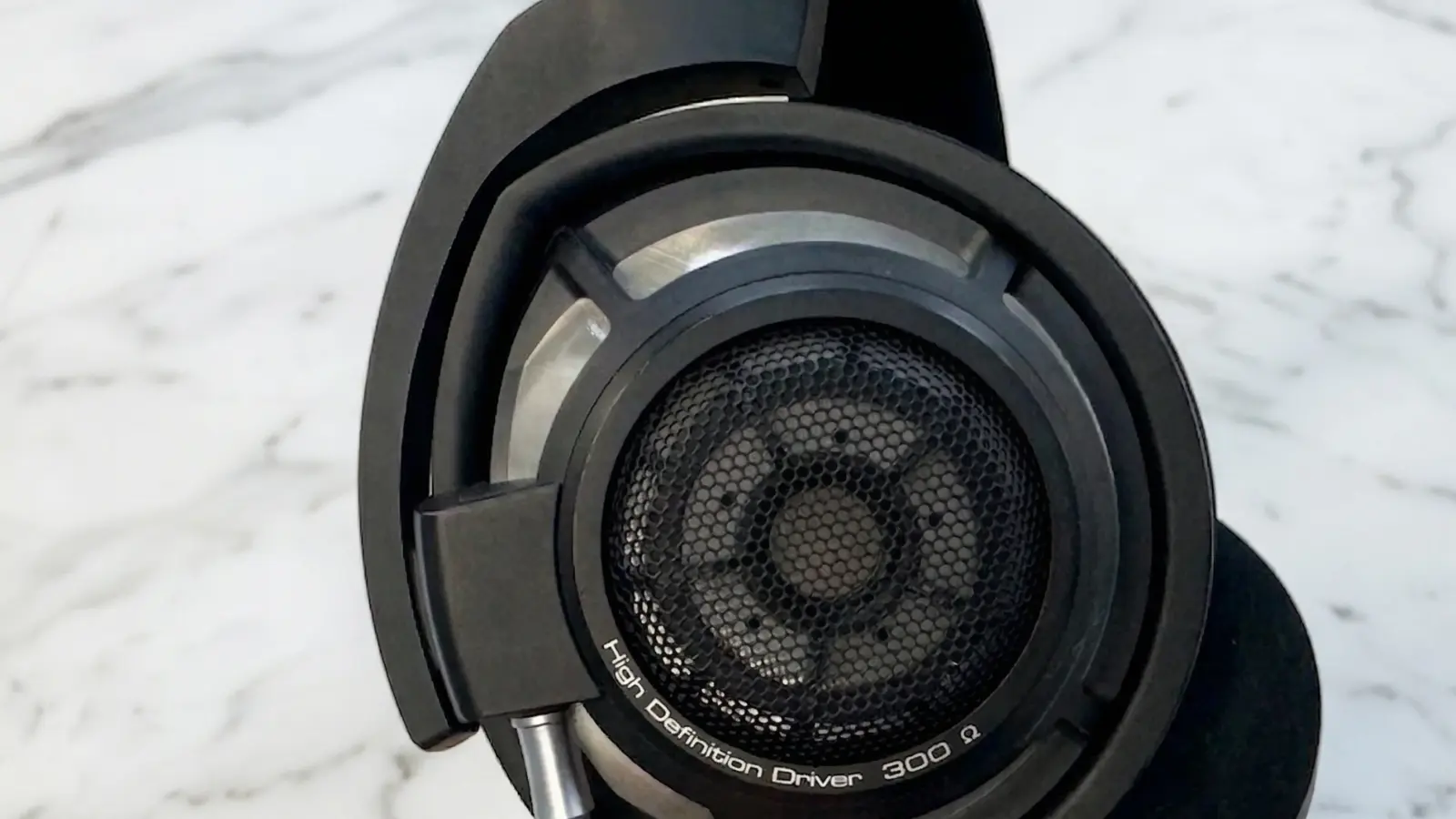
Despite the strategic uncertainty surrounding the division’s ownership, day-to-day operations at Sennheiser’s consumer business appear to be proceeding normally. The company continues to manufacture and sell its flagship product lines, including the HD 800 S, a reference-grade open-back headphone long regarded as one of the finest in its class, the Momentum series of premium over-ear and in-ear headphones targeted at discerning everyday listeners, and the IE series of high-end in-ear monitors, which has earned a strong following among audiophiles and professional musicians alike.
New products have continued to reach the market on a regular cadence, suggesting that whatever internal deliberations are underway at the corporate level, the brand’s development pipeline remains active. For consumers and enthusiasts, this continuity will likely come as some reassurance, though questions about long-term investment in the brand will persist until a buyer is identified and a transaction is completed.
What Comes Next
The identity of a potential buyer, and the timeline for any transaction, remain unknown. Sonova has not made a formal announcement, and the company’s financial disclosures stop short of explicitly confirming a sale process is underway. Nevertheless, the signals embedded in its accounts — combined with Bernard’s strategic commentary — have led industry observers to conclude that a divestiture is a matter of when, not if.
Possible acquirers could include consumer electronics conglomerates seeking to bolster their premium audio credentials, private equity firms with experience in branded consumer goods, or audio specialists looking to expand their portfolios. The Sennheiser brand, even under license, carries substantial recognition among both mainstream consumers and audiophiles — a factor that could meaningfully influence the valuation of any deal.
For Sennheiser’s founding family, the outcome of any sale will also bear watching. The terms under which the brand license was granted to the consumer division would presumably need to be renegotiated or transferred as part of any ownership change, giving the family a degree of influence — and potentially leverage — over who ultimately takes control of the consumer business.
For now, Sonova appears content to allow the process to develop quietly, with no public deadline in sight. What is clear is that a company built on helping people hear better has decided that selling headphones to people who already can is no longer part of its future.