I Tested the Polk Audio Monitor 30 in 2026: Here’s the Surprising Truth
Look, I’ll be straight with you. I’ve reviewed a lot of speakers over the years. Some cost more than my first car. Others promised the moon and delivered a damp sponge. But every once in a while, something comes along that makes me remember why I fell in love with audio in the first place.
Polk Audio Monitor 30.
These unassuming little boxes have been sitting on my desk for a few weeks now, and honestly? They keep making me smile when I least expect it. They’re not trying to reinvent high-fidelity sound or show off with flashy design tricks. Polk has always been that reliable mid-range brand—not chasing the crazy high-end audiophile tax, but delivering solid performance where it actually counts. And here in 2026, with so many speakers trying to justify wild price tags, that straightforward approach feels more refreshing than ever.
Instead, these monitors just focus on doing the fundamentals exceptionally well. Clear vocals, controlled bass down to 50Hz, and extended treble that reaches up to 24kHz without ever sounding harsh. It’s a presentation that feels honest rather than exaggerated.
Here’s why these compact speakers have earned a permanent spot in my setup.
First Impressions & Design
When I first unboxed these, my reaction was basically: “Huh. They’re… speakers.” Not exactly love at first sight. But sometimes the best relationships start quietly.
At 7 x 11 x 8.38 inches, the Monitor 30 strikes a smart balance between compact convenience and acoustic capability. They’re not those ultra-miniature lifestyle speakers that sacrifice sound for style, and honestly, I’m glad. That slightly larger cabinet gives them room to breathe, which translates to fuller sound and bass that actually exists.
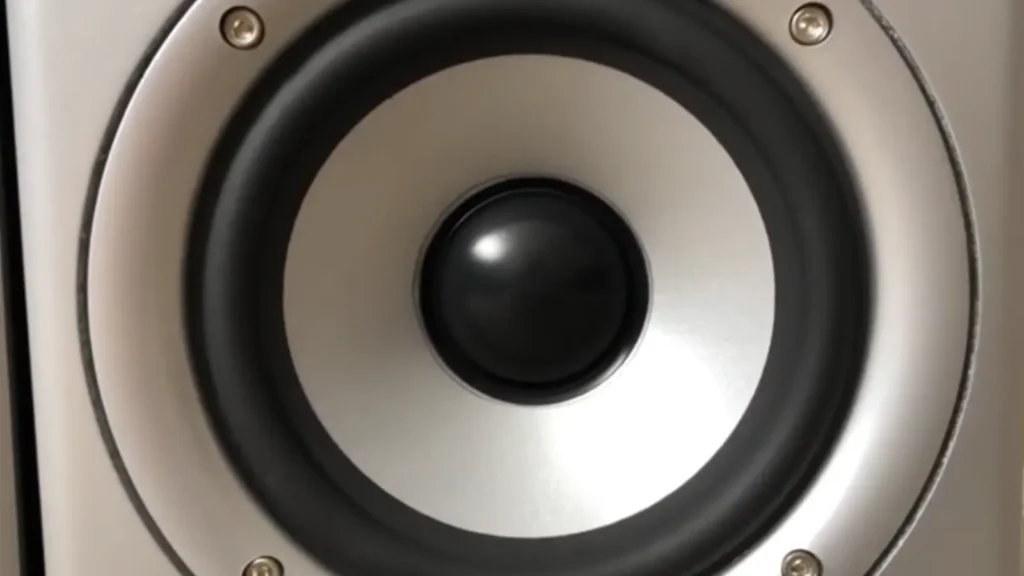
The cabinet is built from non-resonant MDF. I know, I know, talking about cabinet materials sounds like audio nerd territory. But here’s why it matters: cheaper speakers vibrate in ways that color the sound, like listening through a cardboard box. The Monitor 30’s MDF construction keeps things tight. In practice, that means bass that doesn’t wander, mids that stay clean, and a presentation that feels focused rather than fuzzy.
Check Out: I Tested the Polk Audio MagniFi 2: Here’s the Truth About This Soundbar
Visually? They’re understated. Practical. These speakers aren’t going to be the conversation starter at your dinner party. But they’ll blend into shelves, desks, or entertainment centers without fuss, and honestly, that’s exactly what I want from a speaker I’m not trying to show off.
Sound Performance: Where It Matters Most
Vocals: Clear and Forward
The first thing that grabbed me? Voices. I was queueing up some old John Mayer live recordings (don’t judge me, the man can play guitar), and his voice just… appeared in the room. Not shoved forward artificially, not buried behind instruments, just present in a way that felt natural.
Whether it’s acoustic singer-songwriter material or dialogue-heavy movie scenes, voices sound articulate without that weird hollow coloration some budget speakers add. Compared to many entry-level bookshelf speakers that either crank the treble to eleven or drown everything in flabby bass, the Monitor 30 finds a satisfying middle ground. It’s the audio equivalent of a well-made cup of coffee, nothing fancy, just done right.
High Frequencies, Detailed Without Fatigue
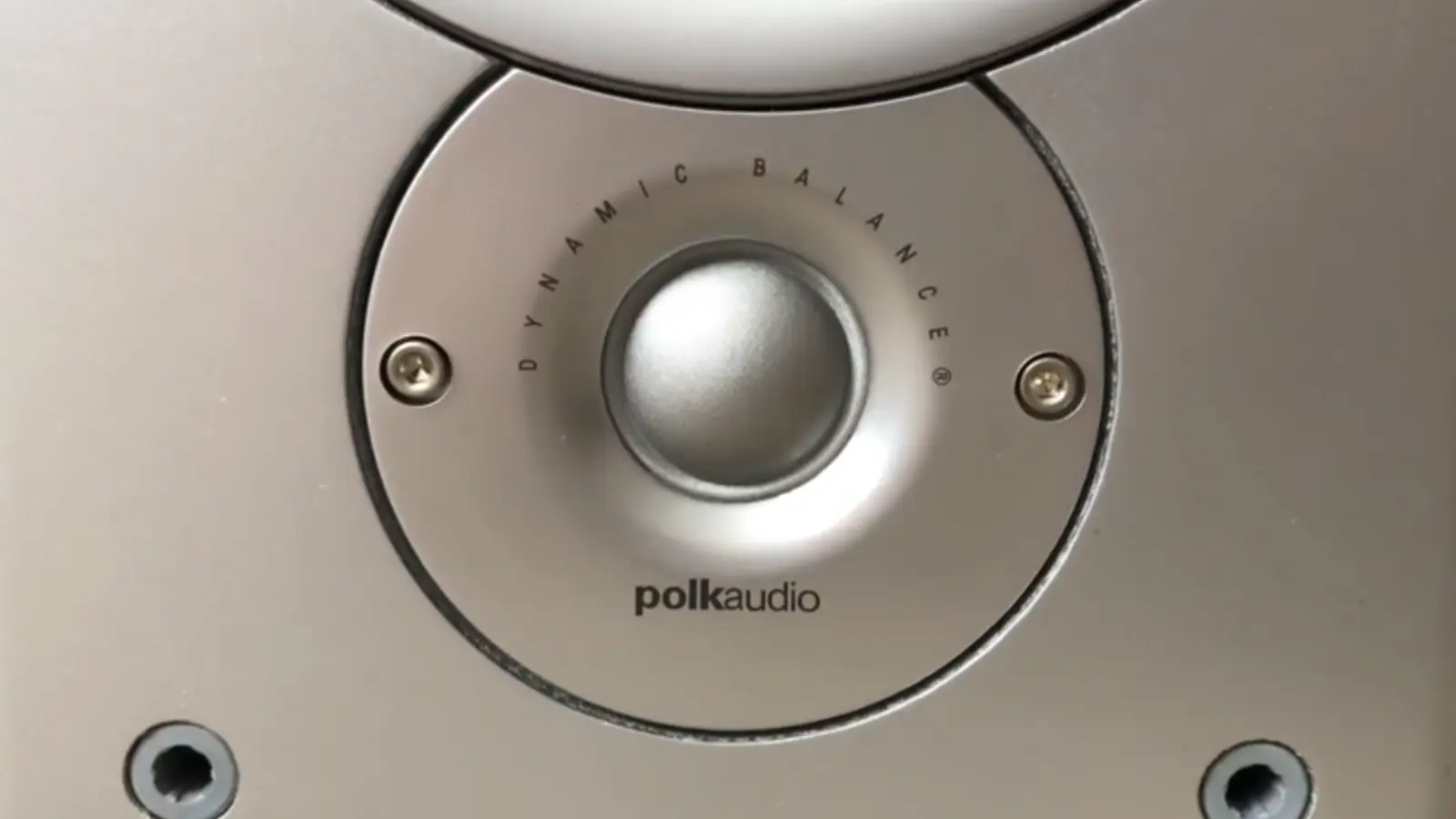
Here’s where Polk’s engineering shows up. They’ve used neodymium magnets in the tweeter assembly, fancy tech that essentially means precise control over high frequencies. The result? Highs that sparkle without stabbing your eardrums.
Cymbals shimmer realistically. String instruments retain their bite without sounding like glass breaking. I’ve pushed these pretty hard while working (ask my neighbors), and even at higher volumes, the treble stays controlled rather than aggressive. My ears don’t feel like they’ve been through a fight after a long listening session, and I cannot say that about every speaker in this price range.
Midrange & Integration
The midrange is where many budget speakers fall apart, instruments get mushy, and everything sounds cramped. Not here. Guitars, pianos, and brass all feel balanced within the soundstage. Nothing jumps out unnaturally, yet nothing feels like it’s hiding in the back either.
What impresses me most is how well all the components work together. The drivers and cabinet design don’t compete for attention; they cooperate. That unity results in a sound signature that feels composed and intentional, like someone actually listened to these before shipping them.
Bass Punchy for the Size
Okay, let’s keep it real: these are bookshelf speakers. If you’re expecting floor-standing thunder that shakes your teeth loose, you’re shopping in the wrong aisle. But within their size limitations? I’m genuinely impressed.
There’s enough low-end presence to give music body and warmth, especially in smaller rooms. In my home office (about 12×12), they fill the space nicely without begging for a subwoofer. That said, for home theater use or if you’re a bass head like my roommate, pairing them with a subwoofer unlocks their full potential. As satellite or rear speakers in a surround setup? They punch way above their weight class.
Home Theater Versatility
One thing I really appreciate about the Monitor 30 is its flexibility. I’ve tried them in a few different configurations:
- As stereo speakers in my office for music while I work
- As part of a friend’s surround sound system for movie nights
- As rear speakers in a dedicated home theater setup
- Just as TV speakers for someone who wanted better dialogue clarity
Every single time, they’ve delivered. The clarity ensures that both explosive action scenes and quiet dialogue moments remain intelligible and engaging. If you’re building a budget-conscious home theater on a beer budget, these make a compelling case.
Conclusion:
There’s something genuinely refreshing about a speaker who simply focuses on getting the sound right.
The Polk Monitor 30 doesn’t rely on gimmicks or exaggerated tuning. It doesn’t try to convince you it’s something it’s not. Instead, it delivers:
- Crystal-clear vocals
- Crisp, controlled highs
- Balanced mids
- Solid bass for its size
- Build quality that inspires confidence
It’s big and bold without sounding bloated. Loud without distortion. Detailed without fatigue.
For anyone searching for affordable bookshelf speakers that deliver true-to-life sound and dependable performance, the Polk Monitor 30 remains a standout choice. They’ve earned their spot on my desk, and honestly? They’re not going anywhere.
Sometimes, great audio isn’t about chasing the most expensive option or the flashiest specs. It’s about finding that speaker that makes your music feel alive, the one that reminds you why you loved a song in the first place. For me, the Monitor 30 does exactly that.
And really, isn’t that the whole point?
Pros & Cons
Pros
Clear, Balanced Sound
Controlled Highs
Well-Rounded Bass
Build Quality
Versatile Use Cases
Great Value
Cons
Needs Matching Gear
Not Ultra-Refined
Polk Audio Monitor 30 Specification
| Specification | Details |
|---|---|
| Type | 2-way Bookshelf Speaker |
| Tweeter | 1″ Terylene Dome |
| Woofer | 5.25″ Polymer Composite |
| Frequency Response | 45 Hz – 24 kHz |
| Sensitivity | 88 dB |
| Nominal Impedance | 8 ohms |
| Recommended Power | 20–125 W |
| Crossover | 2-way High-Order |
| Dimensions (H x W x D) | 11 × 7 × 8.38 in (each) |
| Weight | ~12.6 lb (each) |