Immersive audio in video game soundtracks
Game audio now rewards close listening in the same way a strong music recording does. Spatial processing, dynamic mixing, and careful mastering can turn a soundtrack into a fully shaped acoustic scene. For audiophiles, that makes modern games as interesting to hear as they are to play.
Video game sound has grown far beyond simple background music and basic effects. On revealing gear, you can hear depth, motion, layering, and tonal contrast that were once rare in interactive media. Even in straightforward formats, including Megaways Slots, audio cues help define pace, tension, and reward. That makes soundtrack design relevant not only to players, but also to listeners who care about imaging and detail.
How immersive sound changes the mix
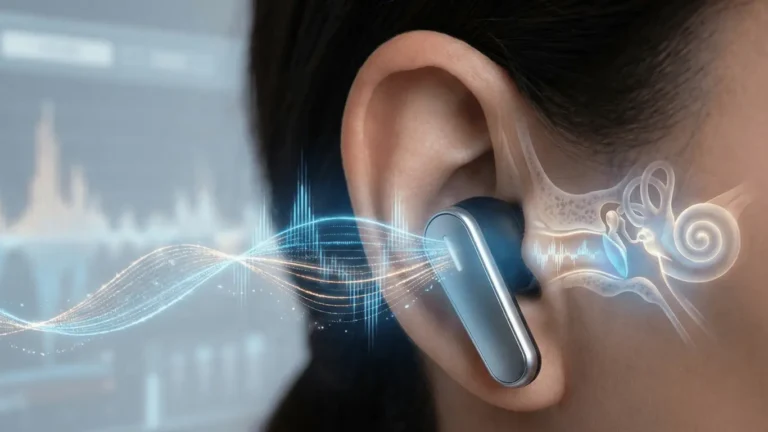
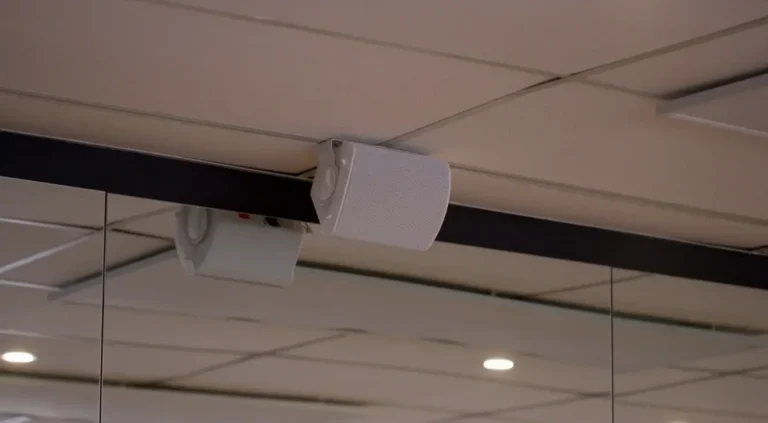
Immersive audio places sounds around you instead of locking everything to a flat left and right field. In games, that means ambience can sit behind you, voices can feel anchored in space, and effects can travel with convincing direction. Object based formats such as Dolby Atmos allow mixers to position elements more freely than traditional channel based approaches. Binaural rendering brings a similar idea to headphones through head related transfer cues. When it works well, the soundtrack feels less like accompaniment and more like an environment you can enter.
That shift also changes composition and arrangement. Composers can leave more room for movement because not every element must compete in the same narrow stereo image. Percussion, drones, and environmental textures can occupy distinct positions, making dense scenes easier to parse. You notice cleaner separation, steadier dialogue, and better contrast between musical layers. For critical listening, those gains matter as much as raw spectacle.
Why playback quality matters
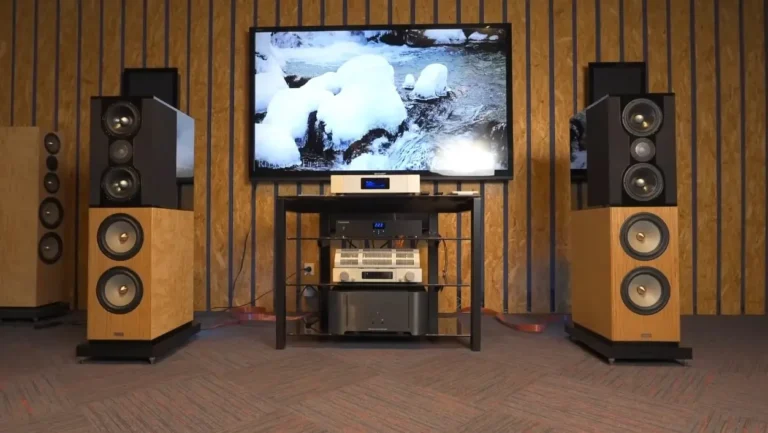
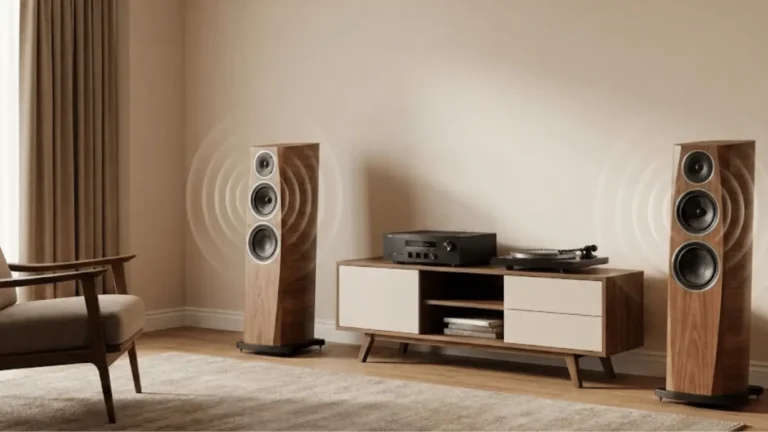
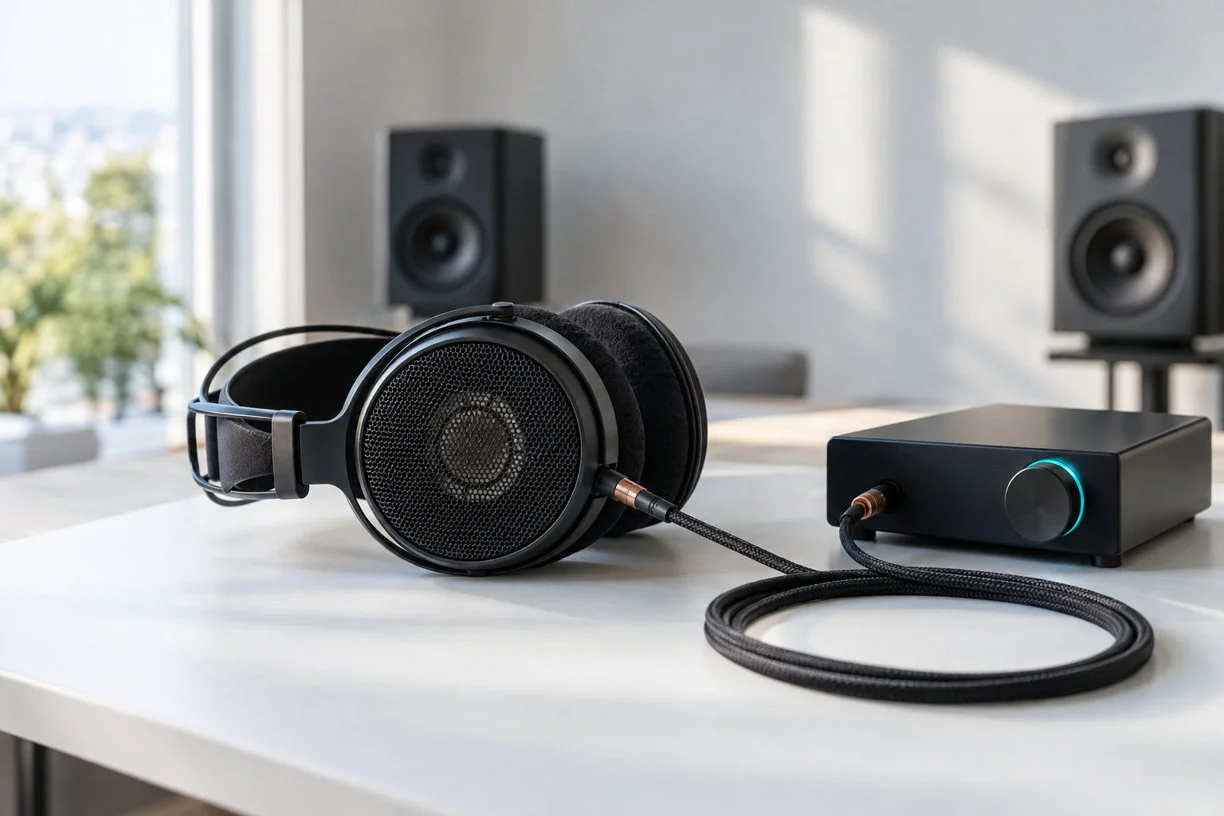
The benefits of immersive design depend heavily on the playback chain. A capable DAC, low noise amplifier, and well matched headphones can reveal subtle reverbs, short delays, and microdynamic shifts that cheaper setups tend to blur. Open back headphones often present a wider sense of space, while closed models may deliver stronger isolation and bass control. Speakers can sound more natural with room filling ambience, though headphone binaural mixes often produce sharper positional tricks. Your settings matter too, especially when consoles or PCs downmix multichannel audio into stereo.
Games also challenge equipment differently from albums. Sudden peaks, dense combat effects, and shifting ambient beds demand control across the full range. If the chain compresses transients or smears localization, the intended illusion weakens quickly. Good gear does not invent immersion, but it preserves the decisions made during sound design and mastering. That is why some game soundtracks become surprisingly useful test material.
What audiophiles should listen for
A useful listening test starts with movement and distance. Turn your character slowly and notice whether footsteps, reflections, and environmental details track smoothly without collapsing toward the center. Then listen for vertical cues, which often reveal the limits of a mix or a headset profile. Strong immersive audio also maintains clarity when music swells and effects pile up. If bass stays controlled and dialogue remains intelligible, the production is doing its job.
You can also judge how naturally the soundtrack reacts to play. A well made system shifts intensity without sounding abrupt, keeping transitions musical rather than mechanical. Room tone, decay tails, and low level effects should remain audible instead of being masked by louder events. When those details survive, the game world feels coherent and believable. For an audiophile, that is the point where interactive sound becomes serious listening.