
The Forgotten JBL Speaker Audiophiles Are Still Buying Used
The 130 was the middle bookshelf of JBL’s six-model Arena line — a 7-inch two-way at $299.95 a pair, sitting between the $199.95 Arena 120 and the $499.95 Arena 170 floorstander. The 120 got reviewed. The 170 got reviewed. The 180 got reviewed. The 125C got covered inside a 5.1 pack test. The 130 got nothing. I couldn’t find a professional review of it, in any language, anywhere on the internet. I checked the Wayback Machine too — or tried to; the Archive was offline, and the independent Arquivo.pt archive holds zero pages mentioning it at all. The closest thing to a “review” I could find is a low-quality AI-generated page that describes the speaker using specifications that appear to have been made up.
And yet the speaker refused to die. A decade later, used pairs keep surfacing — a dozen listings across Europe this year, a sold pair on Reverb, owners swapping setup stories on forums. So I did the only honest thing available: I reconstructed the review nobody wrote, from the spec sheets, the sibling reviews, and the people who actually bought them.
The one that fell through the cracks
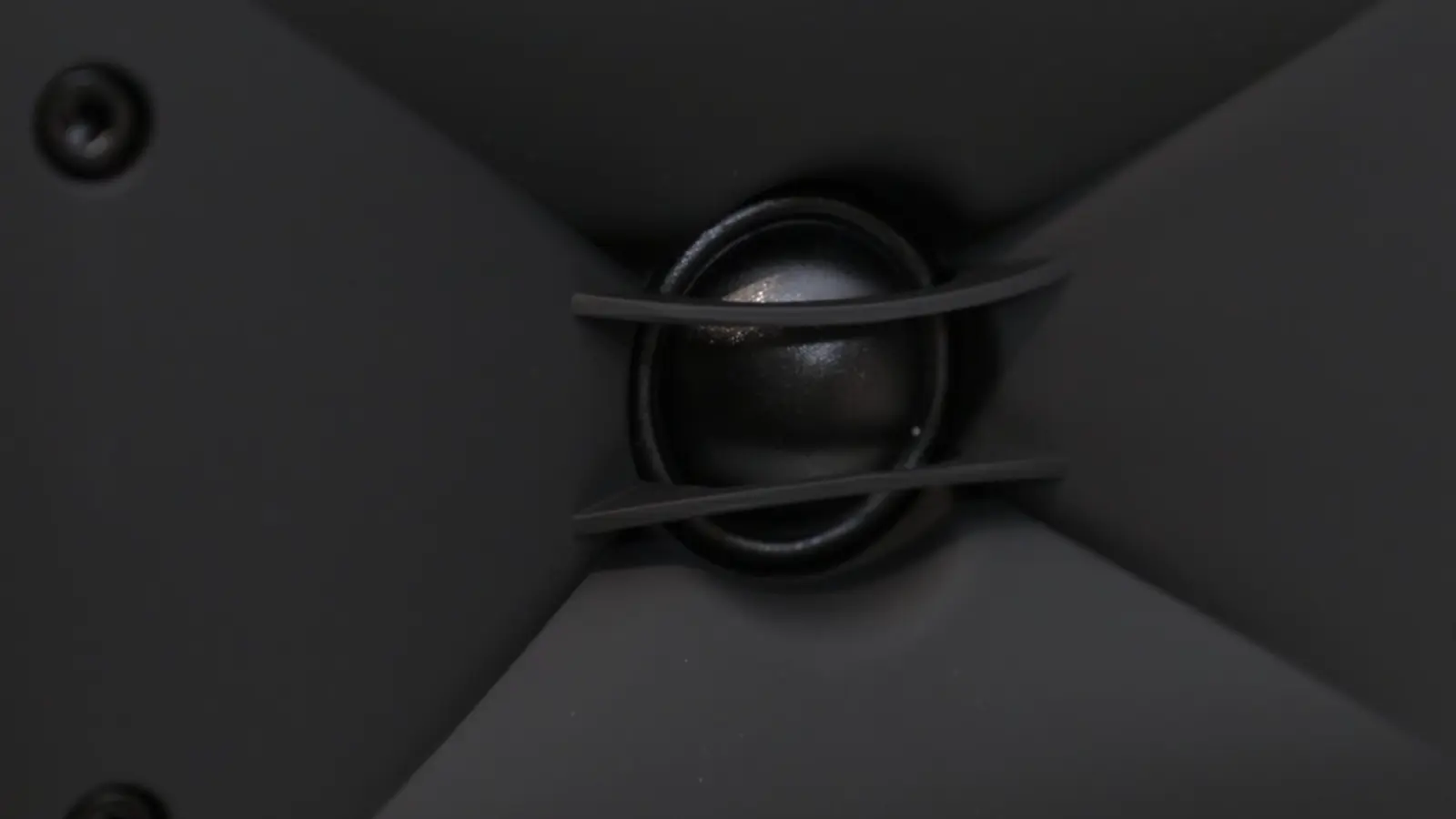
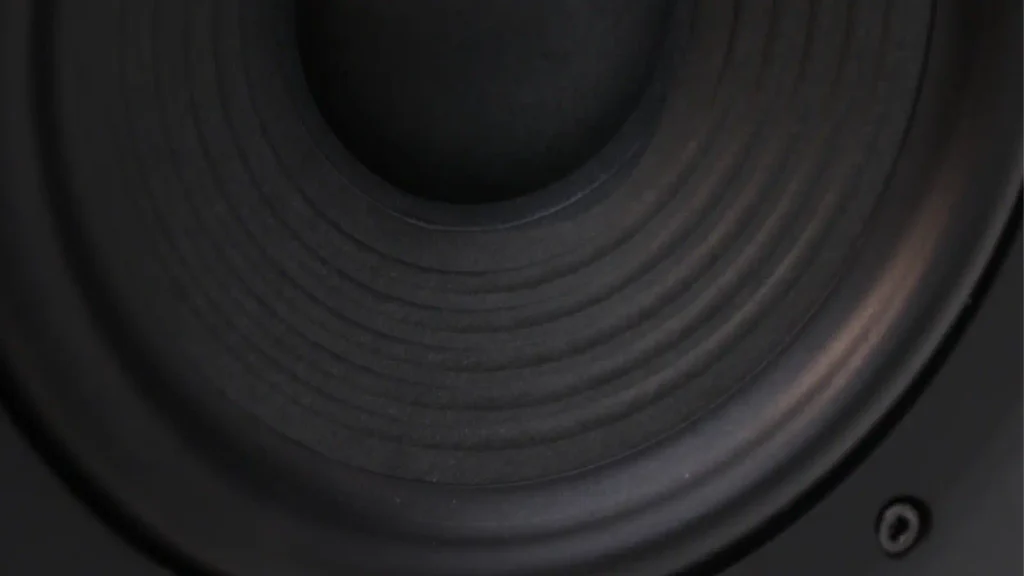
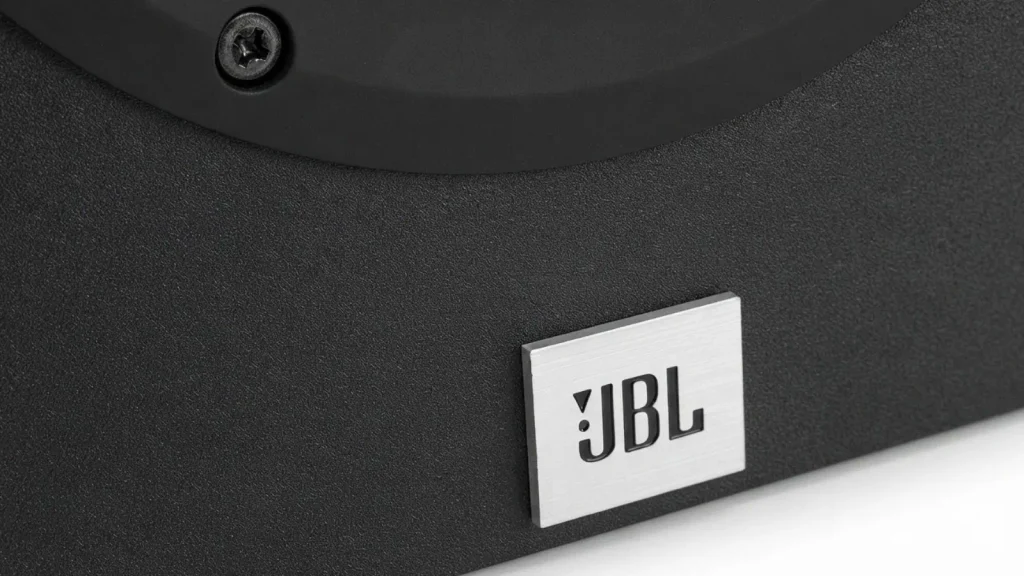
JBL launched the Arena series in January 2015 as, in Harman’s words, “the next generation of affordable high-performance loudspeakers.” The engineering story was real: a High Definition Imaging (HDI) waveguide for the 1-inch soft-dome tweeter, derived from JBL’s legendary M2 Master Reference Monitor — the $20,000-a-pair studio flagship. Computer-optimized driver placement. A 7-inch polycellulose woofer in the 130’s case. Cabinets with angled side and top panels, soft-touch paint, minimalist grilles, brushed metal trim, black or white.
On paper it was the sweet spot of the line: the biggest bookshelf, with the grown-up woofer, at an entry-level price. Why it vanished from the press schedule is something JBL never explained, and I won’t invent a reason. The pattern is plain enough — review samples went to the floorstanders and the 5.1 pack, the bookshelf in the middle never got its turn, and by the time anyone noticed, the news cycle had moved on.

What it should sound like (and what owners say it does)
Here’s where I have to be straight with you: I couldn’t get a pair on my stands in time for this piece. What follows isn’t my listening notes — it’s everything the record actually contains, and the record is thinner than it should be.
The best evidence comes from the family. What Hi-Fi’s Arena 170 review — same tweeter, same waveguide philosophy, same voicing team — found the line “fast, agile and precise” and “lots of fun”: crisp and clean, supple and lively, with a spacious, never-overcrowded soundstage and a convincing midrange. The caveats were consistent too: bass that lacks “punch and solidity,” and treble that “could do with more refinement” — cymbals “a little too cutting and intense.” Their system advice is worth keeping: pair with an agile, rhythmically adept amp, avoid overly lean or bright-sounding kit, and give the rear port some wall to work with.
The owners fill in the rest. On Tom’s Guide, a buyer who grabbed a pair new on sale wall-mounted them, drove them with a modest Dayton stereo amp, and after a heroic battle with ground-loop hum declared “all my audio sounds great no matter the source” and “I’m very happy with the way it turned out” — while noting a subwoofer is the eventual plan. On the What Hi-Fi forums, a buyer hunting a cheap, robust party setup remembered hearing the 130 as “a surprise” — and then provided the honest counterpoint this piece needs: after auditioning, he found Polk’s TSx220B better in resolution and mid-high finesse, with more precise bass, and bought the Polks instead.
Read those together and the picture is coherent: a lively, fun, forgiving speaker that punches above its price when the music is upbeat, with treble that can bite on bright recordings and bass that’s honest rather than heroic. Taken together, that’s a remarkably consistent picture of the speaker, especially considering how little direct coverage of the 130 survives.
The system that shows what they can do
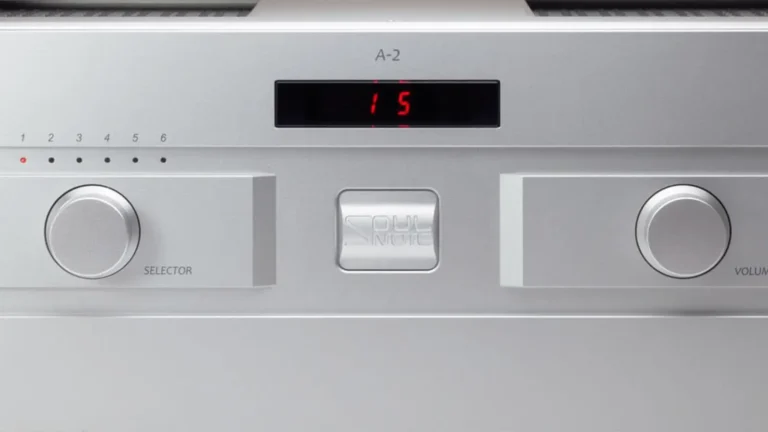
If you’re auditioning a used pair — or building around them — the specs make the matching easy. At 8 ohms nominal and 87 dB sensitivity with a 20–125W recommendation, the 130 is a friendly load. You don’t need muscle; you need rhythm. A Marantz PM6005-class integrated (the exact amp What Hi-Fi paired with the 170), a Yamaha A-S301, or any competent AV receiver will do. The Tom’s Guide owner ran his happily off a Dayton APA150 — proof you can start small.
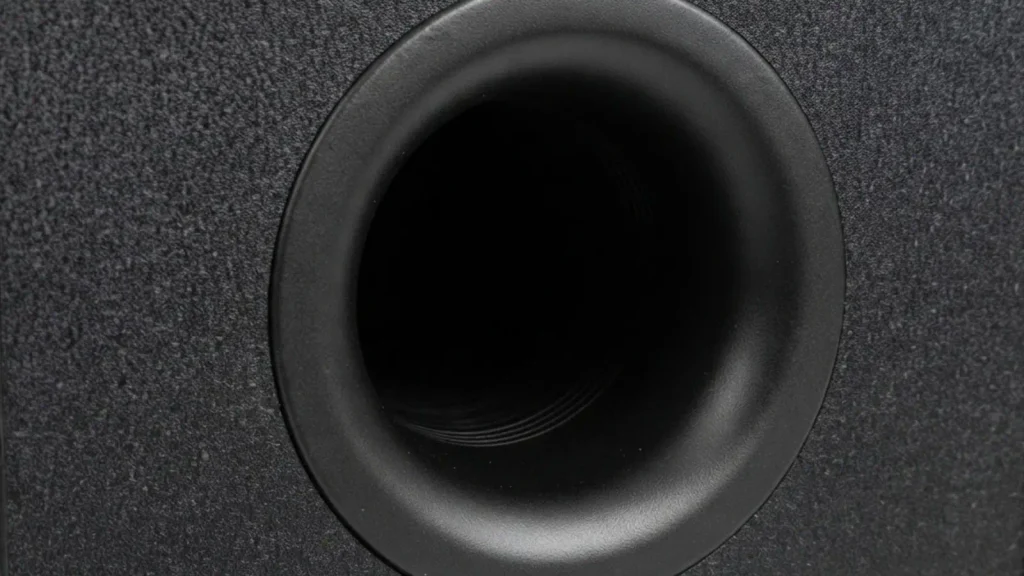
Placement matters more than power. The port fires backward, so give them 15–30 cm of breathing room off the wall, or do what the wall-mount owner did — JBL’s own copy blesses wall mounting, and the magnetic shielding means a TV right next door won’t care. Stands are ideal; a bookshelf works if you pull them toward the front edge.
And plan for a subwoofer if movies or parties are the mission. JBL’s published 55Hz low-frequency specification is the honest limitation here, and the forum buyer who wanted “nice bass compared to size” is every 130 shopper ever. Crossed to a modest 10-inch sub at 80Hz, this is a genuinely rowdy little system.
Used-buying checklist (because that’s how you’ll meet these): check the soft-dome tweeter for dents — it has no grille-independent guard worth trusting; inspect the woofer surround; confirm both binding-post pairs are intact (note: single-wire only, JBL confirms no bi-wiring); and bring music you know, because there’s no review curve to compare against. In Europe they’re listing in the €150–250 range per pair; in India, remarkably, they’re still sold new.
Conclusion:
The JBL Arena 130 at $299.95 was a good speaker in a crowded field. The JBL Arena 130 as a used buy — often well below its original price, sometimes under $150 and historically even lower when JBL was clearing them out — is one of the great unreviewed bargains in hi-fi precisely because no review ever told you to want it.
Should you buy a pair? If you want lively, unfussy sound for a party room, a garage, a kid’s first system, or surround duty, and you’d rather spend the savings on a subwoofer — the surviving evidence suggests they are worth considering. If you’re chasing refinement and resolution above all, the forum buyer’s Polk comparison is your warning: the treble is enthusiastic, not silky.
The real verdict isn’t about the speaker, though. It’s about the gap. A major brand released a genuinely interesting $300 bookshelf, the review coverage largely focused on the floorstanders and larger system configurations, and ten years of buyers were left to figure it out from forum threads and a low-quality page that doesn’t provide reliable evidence. Somebody should have reviewed this speaker in 2015. Since nobody did, consider this the review, eleven years late — assembled from everything that survived.
If you own a pair, by the way — tell us. You’re part of the smallest, most evidence-based owners’ club in hi-fi, and we’d like to hear what a decade with them sounds like.
JBL Arena 130 Specifications:
| Specification | JBL Arena 130 |
|---|---|
| Type | 2-way passive bookshelf speaker |
| Woofer | 7-inch (178mm) polycellulose |
| Tweeter | 1-inch (25mm) soft-dome |
| Waveguide | High Definition Imaging (HDI) |
| Frequency Response | 55Hz – 40kHz |
| Sensitivity | 87dB |
| Nominal Impedance | 8 ohms |
| Recommended Amplifier Power | 20–125W |
| Crossover Frequency | 2kHz, 18dB/octave |
| Enclosure | Bass-reflex, rear-firing port |
| Dimensions (H × W × D) | 381 × 217 × 270mm |
| Weight | 6.1kg / 13.5lb each |
| Finishes | Black, White |
| Original Price | $299.95 per pair |