
I Changed One Thing About the KEF XQ40’s Positioning, and the Sound Improved
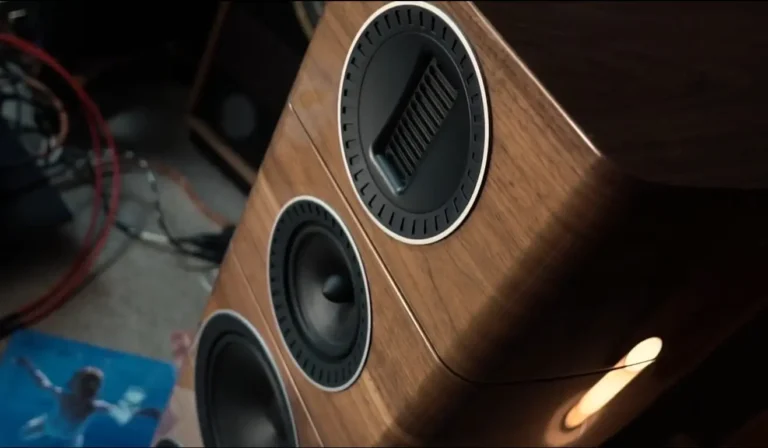
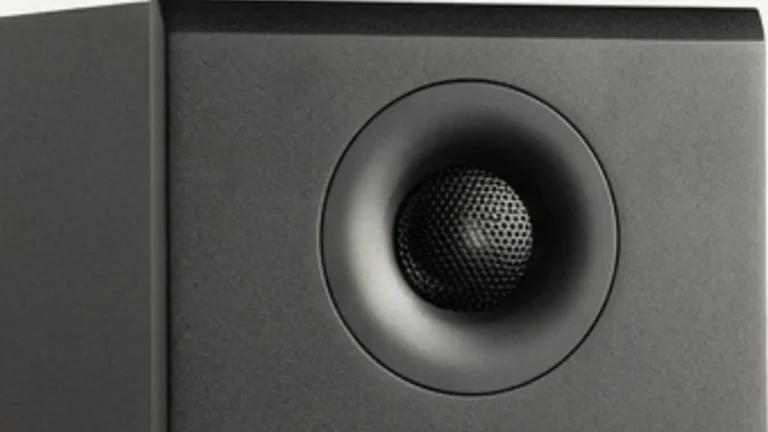
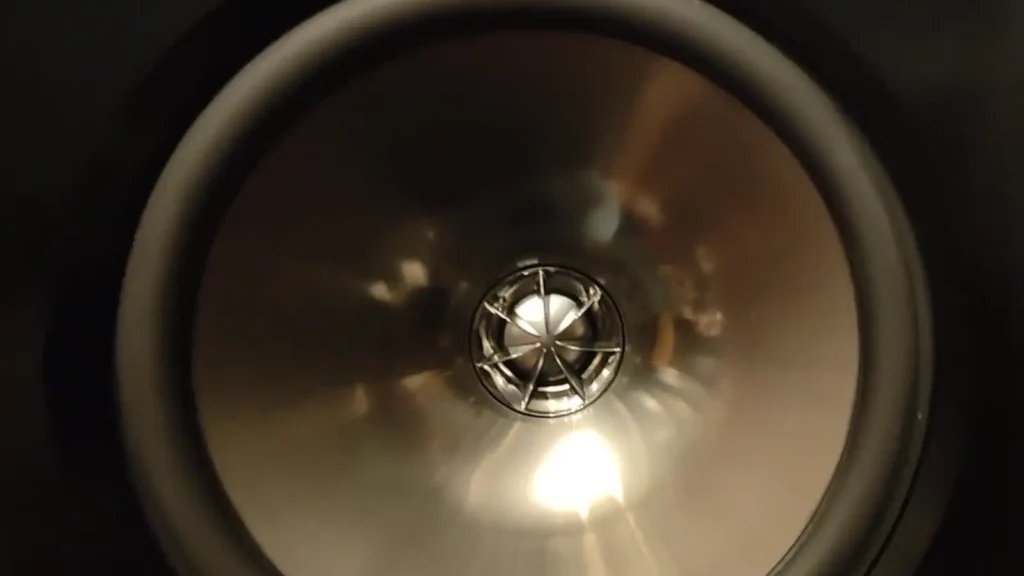
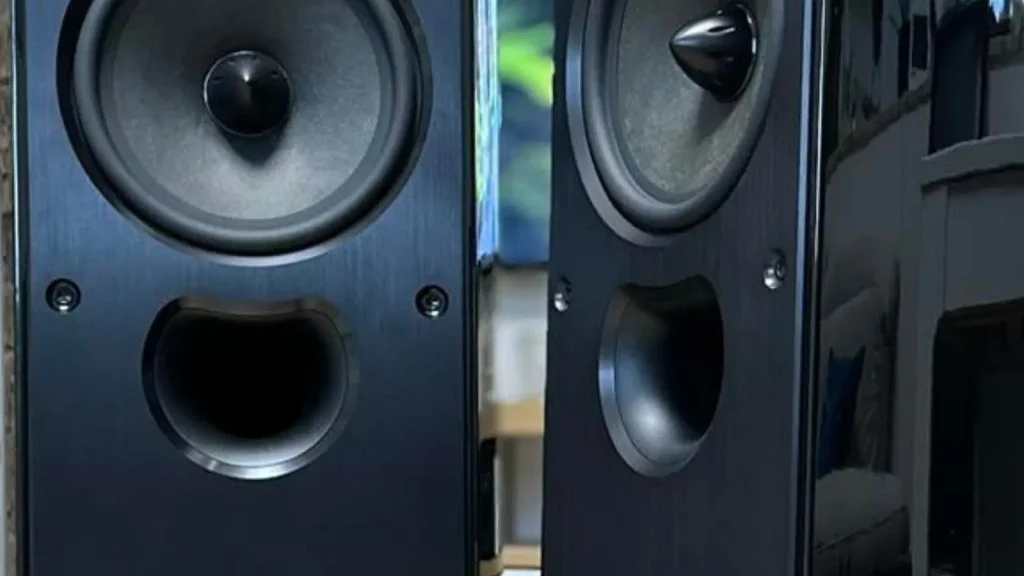
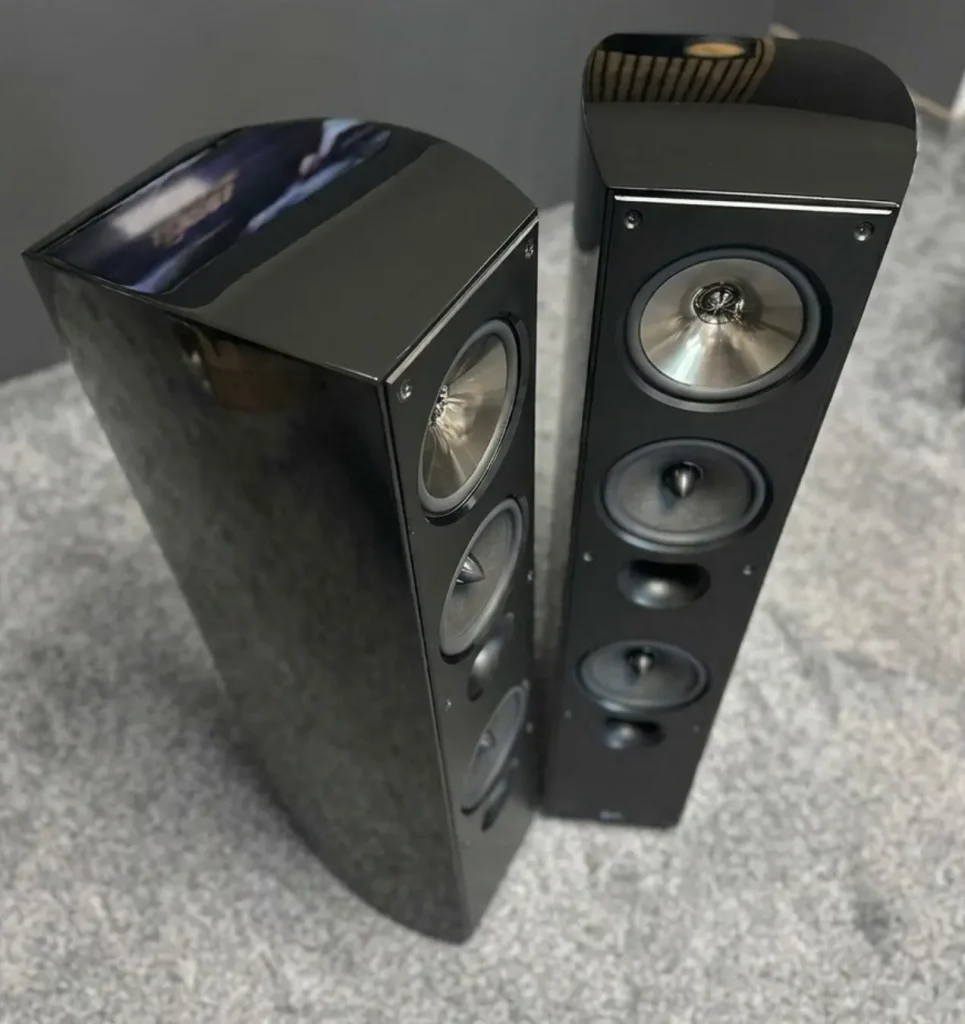
Most conventional loudspeakers place the tweeter above the woofer, sometimes with a dedicated midrange driver sitting between them. KEF takes a different approach with the XQ40 floorstanding speaker, placing the tweeter directly inside the midrange driver.
This distinctive arrangement, known as the Uni-Q driver array, is one of the most recognisable features of KEF speaker designs. Rather than having sound emerge from separate points on the front baffle, the tweeter and midrange share the same acoustic centre. KEF says this helps disperse sound more evenly throughout the room, creating a more consistent listening experience across a wider area.
This arrangement offers potential advantages, particularly in imaging, timing, and off-axis frequency response. However, concentric driver designs can also have their own challenges, including a tendency towards a forward or slightly shouty presentation if the speakers aren’t positioned correctly.
KEF Q150 Review: A Budget Speaker That Quietly Redefined Real Hi-Fi
The KEF XQ40 gives us an interesting opportunity to find out how this technology works in practice.
Inside KEF’s Unusual Uni-Q Driver Design
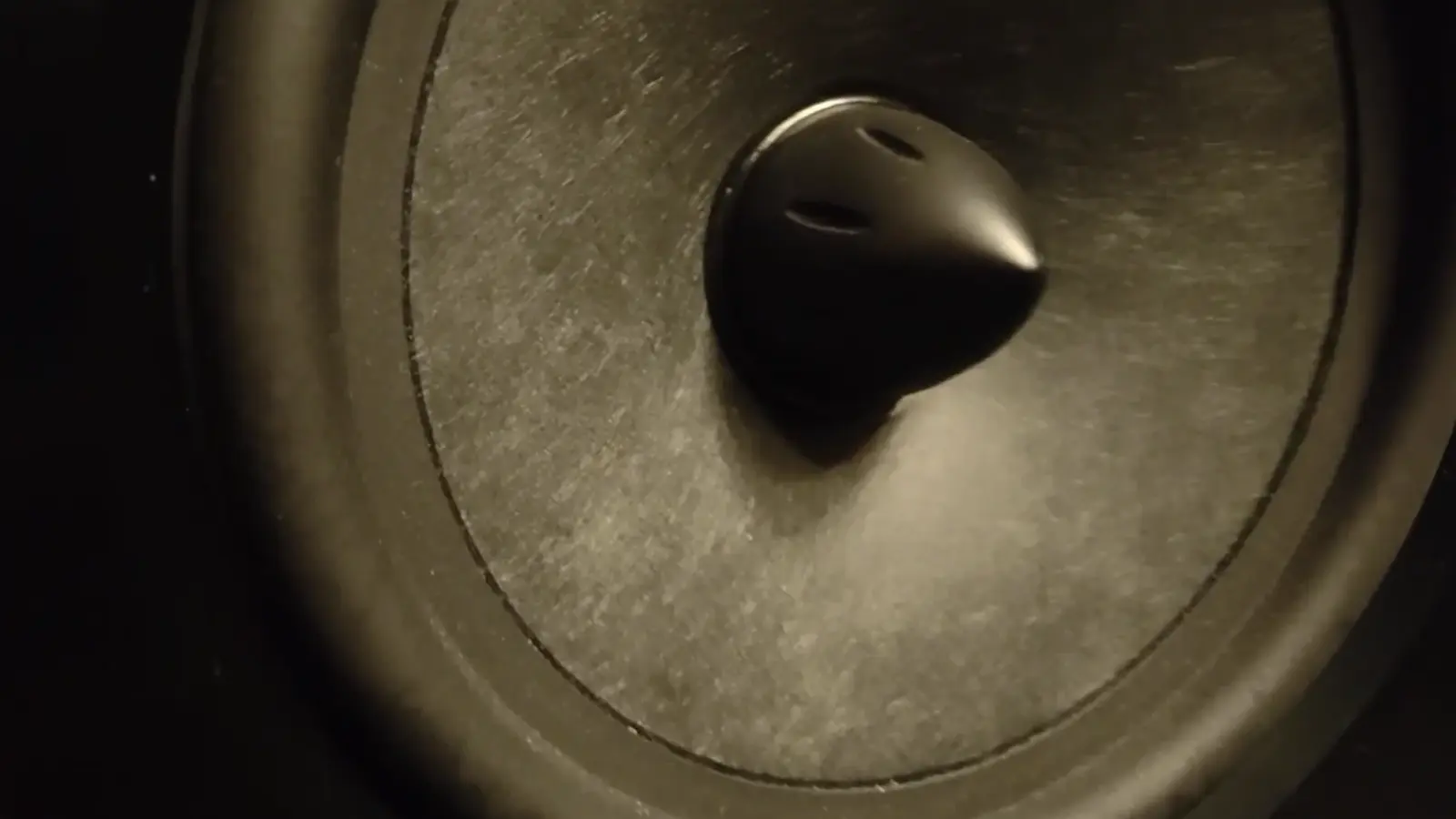
At the centre of the XQ40’s Uni-Q array is a 0.75-inch aluminium dome tweeter, positioned inside a 6.5-inch midrange driver where a conventional speaker would normally have a dust cap. The tweeter crosses over to the midrange at 2.5 kHz, while two additional 6.5-inch woofers handle the lower frequencies below 400 Hz.

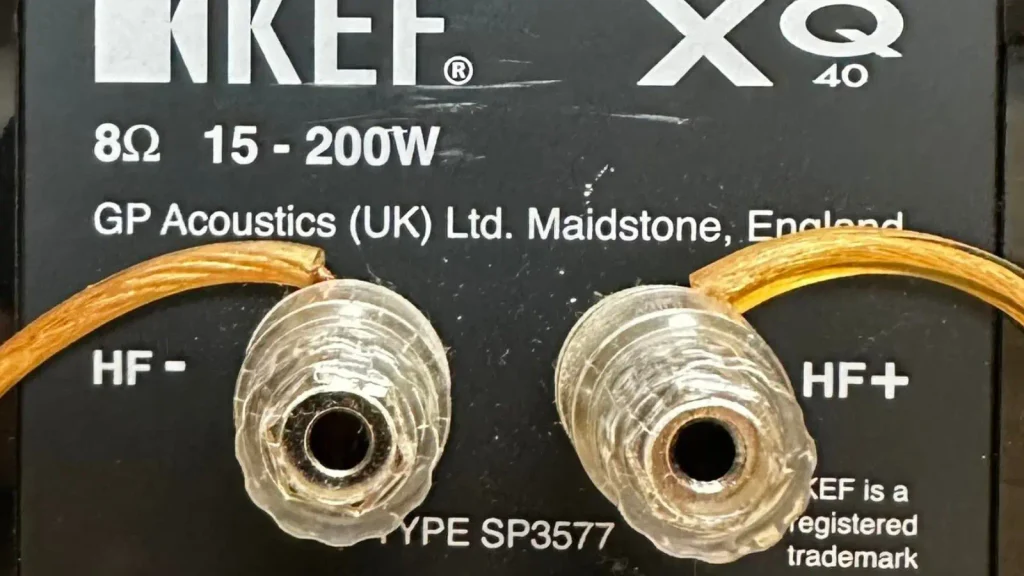
KEF specifies a sensitivity of 90 dB (2.83V/1m), and the XQ40 also supports bi-wiring and bi-amping.
The cabinet is another attractive part of the design. Its curved construction feels solid, while the Birdseye Maple finish of my review samples gives the speakers a particularly appealing appearance.
Razor-Sharp Imaging Is the First Thing You Notice
I started listening by connecting my laptop to the Simaudio MOON i3.3 integrated amplifier and playing tracks randomly from my music library.
One characteristic immediately stood out: the XQ40s produced an exceptionally precise centre image. Vocals benefited particularly well, appearing firmly positioned between the speakers rather than spreading loosely across the soundstage.
That doesn’t mean the KEFs lack stereo width. They simply favour a more focused and precisely defined presentation. Some speakers, particularly electrostatic designs, can create a more diffuse and expansive soundstage, sometimes at the expense of pinpoint imaging. The XQ40 takes almost the opposite approach.
Neither presentation is necessarily better than the other, but listeners who appreciate precisely positioned instruments and vocals will find plenty to enjoy here.
Another pleasant surprise was how well the sound held together away from the central listening position. Moving towards the sides of the room didn’t produce the usual deterioration in sound quality associated with some conventional speaker designs.
This makes the XQ40 an interesting option for larger listening rooms or home theatres where several people might be sitting outside the main listening position.
Strong Bass Without Losing Control
KEF rates the XQ40’s bass response at 45 Hz (-3 dB), and its low-frequency performance certainly makes a good impression.
The speakers deliver substantial bass without allowing it to dominate the rest of the presentation. Depending on your room and listening preferences, you could comfortably use them without a dedicated subwoofer for music listening.
Still, anyone looking for the deeper impact required for serious home theatre use may want to consider adding a subwoofer.
The Right Amplifier Makes a Difference
Although I enjoyed the XQ40 with the Simaudio MOON i3.3, I like experimenting with different amplifiers when reviewing speakers. Not every amplifier produces the same results with every loudspeaker, and the KEFs proved particularly interesting in this respect.
I swapped the i3.3 for a Sunfire Cinema Seven, a substantial power amplifier capable of delivering 400 watts per channel. Even at relatively low listening levels, the XQ40s seemed to come alive. The presentation gained additional vibrancy and energy.
How KEF Fixed the “Dry” Sound of the Q Series with the Q750
However, it would be easy to assume that the improvement was simply the result of more available power. To test that assumption, I also connected the speakers to the Wadia 151PowerDAC mini, which delivers just 25 watts per channel.
The KEFs sounded excellent with the Wadia, too. Clearly, they didn’t need an enormous amplifier to produce an enjoyable performance.

Emmylou Harris Reveals a Slightly Forward Sound
Returning to the Sunfire, I played Emmylou Harris’ DVD-Audio Producers Cut, using the two-channel 24-bit/96 kHz tracks.
Track two, her familiar rendition of “Boulder to Birmingham”, was particularly revealing. The XQ40s delivered strong bass and clean treble, although Harris’ voice sounded a little more forward than I had experienced with some other speakers.
At higher listening levels, the presentation also became slightly shouty.
This called for some experimentation with speaker positioning.
I normally begin with the speakers angled towards the main listening position, adjusting the toe-in as necessary. This time, however, I decided to point the KEFs straight ahead instead.
The results were interesting. Because of the XQ40’s impressive off-axis response, moving the speakers away from the listening position had surprisingly little effect on treble detail. If anything, the overall balance became more natural.
The soundstage also grew wider, as you might expect, but the precise centre imaging remained intact.
It’s a useful reminder that speaker positioning can make a considerable difference to the final sound. Your room is an important part of the audio system, and even a small adjustment can sometimes produce a more satisfying result.
Bon Iver and Jazz Show What These KEFs Can Really Do
Next, I turned to Bon Iver’s For Emma, Forever Ago, playing track eight, “For Emma”, from CD.
The KEFs did an excellent job filling the room with the album’s layered, atmospheric sounds. The trumpets had the appropriate brassiness, while the rhythmic guitar strums remained smooth rather than becoming harsh or aggressive.
The convincing trumpet reproduction encouraged me to move on to one of my favourite jazz recordings, Cannonball Adderley’s Somethin’ Else, in 24-bit/96 kHz DAD format.
The title track was a particularly enjoyable demonstration of the XQ40’s capabilities. Instruments were positioned precisely across the soundstage, while Sam Jones’ double bass delivered plenty of weight and presence.
The saxophone and trumpet sounded vibrant without obvious coloration. Art Blakey’s drumming was equally impressive, with his cymbals retaining an airy quality while still sounding clearly defined.
With the Sunfire Cinema Seven providing amplification and the MOON i3.3 handling the decoding, the KEFs came together to create a thoroughly enjoyable music system.
Can the KEF XQ40 Handle Rock Music at High Volume?
I also wanted to see how the XQ40s performed with something considerably more energetic.
For this, I reached for the Rolling Stones’ Through the Past Darkly SACD and played the growling guitars of “Honky Tonk Women”.
The KEFs delivered the required grit and energy. Even when I pushed the volume well beyond my preferred listening level, they remained impressively composed.
Some of that performance undoubtedly came down to the considerable power available from the Sunfire amplifier. Nevertheless, the XQ40s demonstrated that they could handle demanding music without losing their composure.
The Verdict: A Different Approach That Pays Off
The KEF XQ40 offers several qualities that make it an appealing floorstanding speaker. Its Uni-Q driver array delivers exceptionally precise imaging, a wide listening area and a convincing sense of musical detail. Bass reproduction is also impressive, with enough depth to satisfy many music listeners without necessarily requiring a separate subwoofer.
The speakers do need some attention when it comes to positioning. With too much toe-in, I found the presentation could become slightly shouty, particularly at higher volumes. Pointing them straight ahead produced a more natural balance in my listening room without sacrificing the excellent imaging.
That small adjustment was well worth making.
If you’re considering a pair of floorstanding speakers and appreciate precise imaging, a generous sweet spot and strong all-round musical performance, the KEF XQ40 deserves a place on your audition list.
And don’t forget to remove the magnetic grilles when you get the chance. Those concentric tweeters are too interesting to hide.