
Why Naim and PS Audio Are Ending These CD and SACD Products
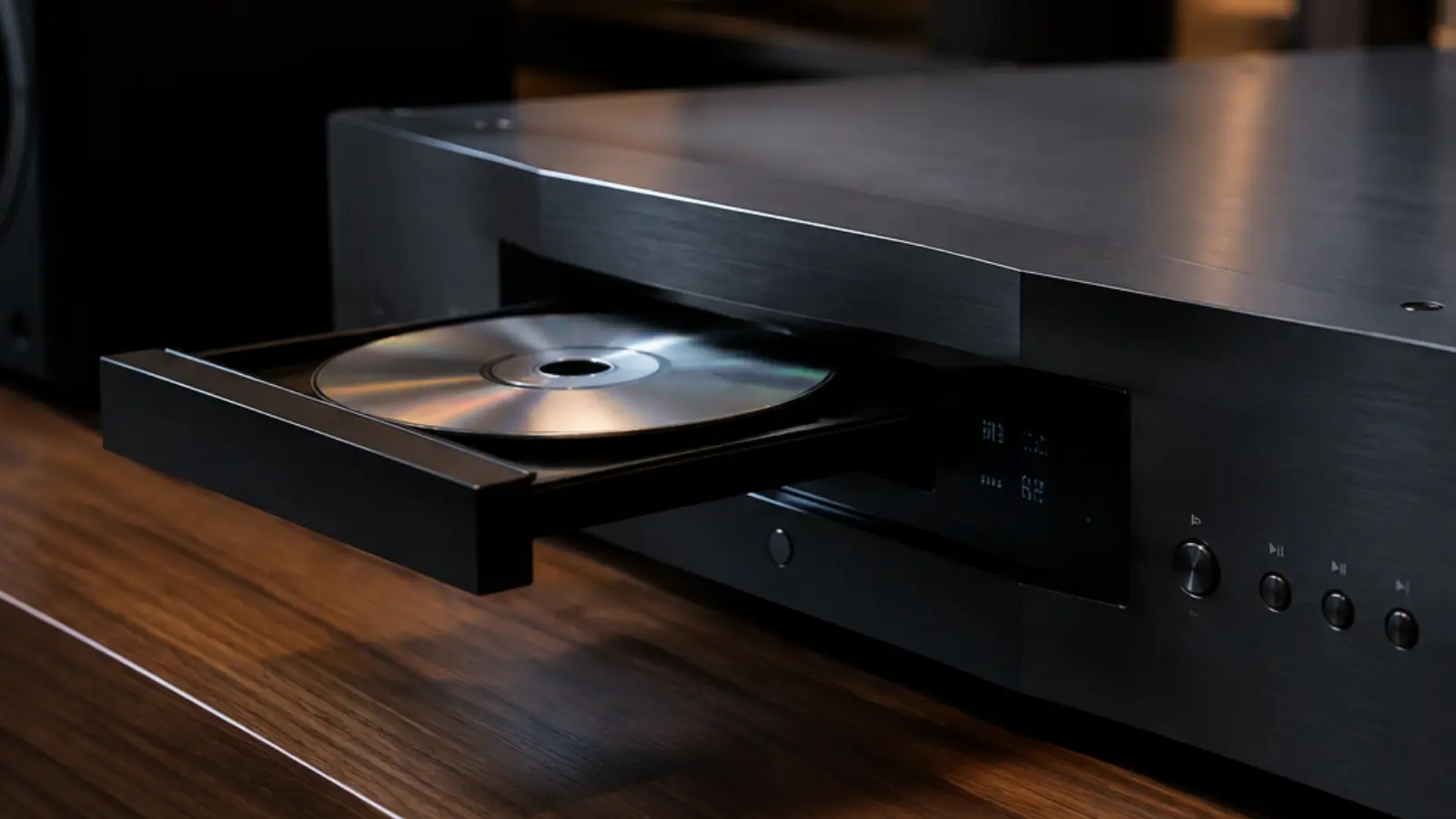
A surprising problem is hitting the hi-fi industry: the optical drives used for CDs and SACDs are becoming increasingly difficult to source. The shortage has already forced two well-known audio companies, Naim and PS Audio, to discontinue products that rely on these drives.
Among the affected products are the Naim Uniti Star streaming amplifier and the PS Audio PMG Super Audio CD Transport.
The problem has been particularly serious for PS Audio. In June 2024, the company learned that D&M Holdings, the parent company of Denon and Marantz, was stopping production of SACD/CD drive mechanisms for third-party manufacturers.
That left PS Audio with few options.
The company placed one final large order for the drives it needed, but the cost of the components had roughly doubled because of the sudden demand. PS Audio ultimately purchased the remaining Marantz drives suitable for its PMG Super Audio CD Transport.
Why PS Audio Couldn’t Simply Build Its Own CD Drive
According to PS Audio CEO Paul McGowan, the company eventually reached the limit of what it could do with the remaining supply.
“Drives suitable for PMG are no longer being produced,” McGowan said.
Developing a completely new optical drive in-house would also be a major undertaking. PS Audio designs and develops the electronics and software around its products, but creating an entirely new CD/SACD mechanism would require expertise and resources in another highly specialized area.
And an optical drive isn’t simply a component that can be swapped out without consequences.
A different drive can require changes to the surrounding electronics, firmware, software and mechanical design. That makes finding a replacement far more complicated than simply locating another supplier.
Naim Ran Into the Same Problem
Naim has faced a similar situation with the Uniti Star.
The company attempted to find an alternative supplier for the optical drive used in the product, but the replacement drive unit eventually went out of production as well.
That left Naim facing the same problem: replacing the mechanism would require much more than changing one part.
A new optical drive could require redesigned electronics, changes to the software and firmware, and modifications to the physical design of the product. For an established product that has already been engineered around a particular drive mechanism, that can become a difficult and expensive proposition.
What Happens to Existing Owners?
For people who already own a Naim Uniti Star or PS Audio PMG, there is some good news.
Neither company is simply abandoning existing customers. Both manufacturers have retained stocks of the necessary repair parts, meaning owners should still have access to service and replacement components.
The bigger issue is availability of new units.
Production has already ended, so anyone looking for a new Uniti Star or PMG Super Audio CD Transport will have to rely on remaining inventory from dealers or other available stock.
The Bigger Problem for Physical Disc Audio
The situation highlights an unusual problem for today’s hi-fi industry.
Interest in physical music formats such as CDs and SACDs has not completely disappeared, but the specialist components required to build modern disc players and transports are becoming harder to obtain.
For manufacturers that don’t produce optical mechanisms themselves, the choices can therefore become increasingly limited: buy whatever remaining drives are available, redesign an entire product around a different mechanism, or discontinue the product.
For Naim and PS Audio, the optical-drive supply problem has ultimately meant the end of two products that were built around physical-disc playback.
And with fewer manufacturers continuing to produce the specialized drives required by modern CD and SACD equipment, this may not be the last time an established hi-fi product disappears for a reason that has little to do with its performance.